
If you’re having dental implants or just had one installed, you might wonder: How do I get my body to heal more quickly and steer clear of complications? That’s a good question—and one we get a lot here at Riggs Family Dental, where our expertise in Gilbert is unmatched.
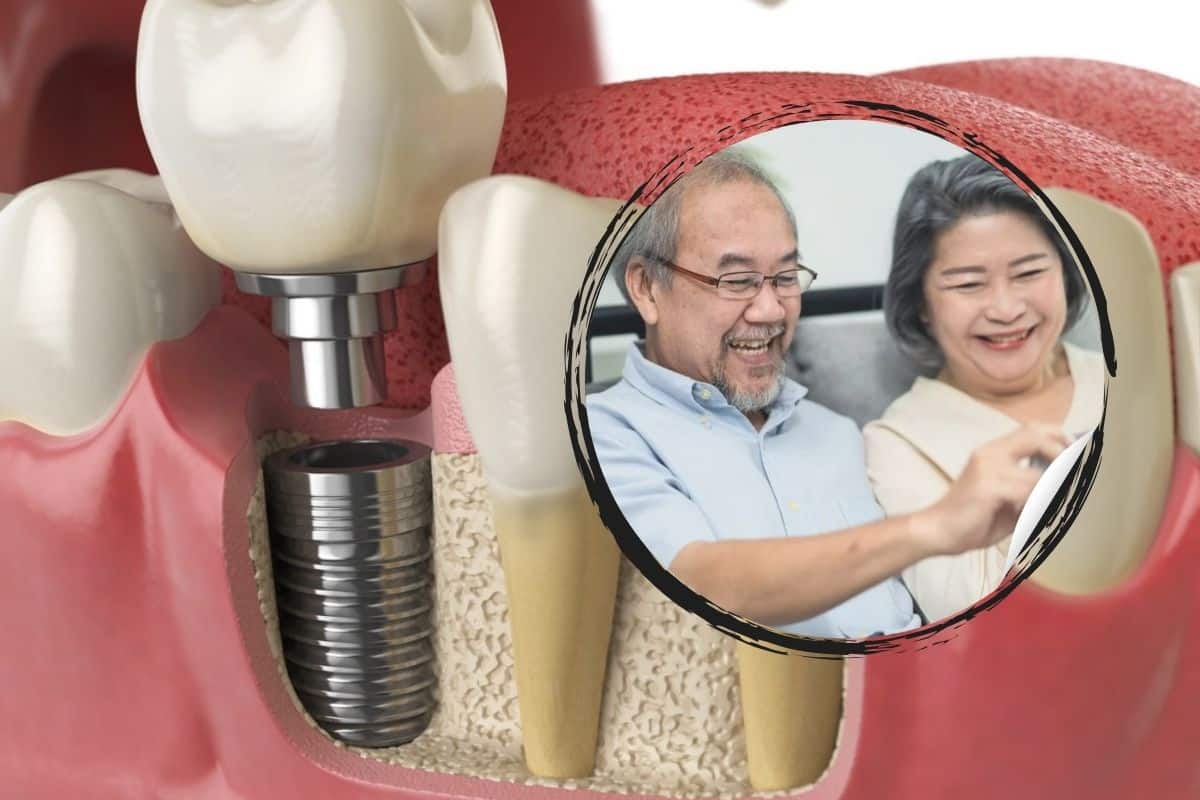
Dental implants are one of the most reliable and durable solutions for tooth replacement. Even though your best implant has to wait a bit to develop a bond with your jawbone—and recovery makes all the difference.
Whether for one tooth or more, Dental Implants in Gilbert, AZ, will not only restore your smile and confidence but also transform your life. Through proper missing teeth treatment care, you can provide your body with its best chances for smooth and efficient recovery.
Smart Recovery Tips After Dental Implant Surgery
A successful recovery starts with understanding the healing process and supporting it with the right daily habits. While your body works to bond the implant to your bone, how you eat, rest, and take care of yourself will directly impact your results.
Pain Management After Dental Implants
Mild to moderate pain is common in the first couple of days. You may experience soreness, swelling, or tenderness near the surgery area. But fear not—it’s controllable.
Obey the medications prescribed or advised by your Gilbert dentist. These are usually anti-inflammatories or pain medications available over the counter. For some relief of swelling and pain, a cold compress applied in intervals of short duration within the initial 24–48 hours is beneficial.
Is it normal to have pain after a dental implant?
Yes—some pain, swelling, and tenderness are entirely normal in the first few days. This is a part of the healing process, and if you follow our advice, you’ll be back to normal in no time. If pain increases after three days or becomes severe, contact your dentist immediately.
A Soft Diet Roadmap for Faster Healing
Your diet plays a massive role in the healing process. Right after surgery, you’ll want to stick with soft, easy-to-eat foods that don’t put pressure on the implant site.
Here’s a quick guide to see you through the initial weeks:
- First 1–3 Days: Adhere to liquids such as smoothies, broths, protein drinks, and yogurt.
- Days 4–7: Experiment with scrambled eggs, soft pasta, mashed potatoes, and applesauce.
- Week 2 Onward: Soft-cooked vegetables, soft fish, and oatmeal may be gradually introduced.
Steer clear of crunchy, sticky, spicy, or chewy foods for a minimum of two weeks. These can cause irritation or trauma to the site of healing.
The Importance of Nutrition and Hydration in Implant Success
Your body requires specific nutrients to heal correctly. Players of note are Calcium, Vitamin D, Magnesium, and Protein. All these aids both soft tissue and bone healing, which is invaluable for implant success.
Stay hydrated with lots of water to aid circulation and minimize inflammation. Dehydration can impede healing and expose you to complications.
According to trusted sources, nutrition and hydration are key to supporting the body’s natural healing functions and keeping the immune system in top shape while healing.
How do I hurry dental implant healing?
Drink plenty of water, consume nutrient-dense soft foods like eggs, yogurt, and fish, quit smoking and alcohol, rest, and heed your dentist’s after-care directions closely.
Key Oral Care for Dental Implant Healing
You can worry about keeping your implant site clean, but gentle hygiene is necessary. Here’s how to remain clean and safe:
- Use a soft-bristled toothbrush.
- Gently rinse with warm salt water.
- Steer clear of alcohol-containing mouthwashes.
- Don’t spit or swish hard in the early stages.
Keep brushing your other teeth and tongue usually. Cleanliness supports quicker healing and averts infection.
Seeking a Dentist Close to 85295 who will walk you through every step? We’re right next door and always here to assist.
Lifestyle Habits for the Best Dental Implant Recovery
Your lifestyle choices can help or hinder your recovery. Here’s what to remember:
- Smoking: It severely hinders healing by cutting blood supply to the gums and bone. Avoid it altogether, particularly within the first few weeks.
- Alcohol: It disrupts healing and medication absorption.
- Physical Activity: Steer clear of vigorous exercise, heavy weights, or bending for more than a week. Walking is okay, but allow your body some recovery time.
What to Expect Each Week (or Month)
Healing takes different amounts of time for other people, but here’s a rough outline:
- Week 1: Swelling, soreness and slight bleeding are all normal. Use soft foods and gentle hygiene.
- Week 2–3: Discomfort should decrease, and your energy will start to come back. You can go back to more regular eating.
- Month 1–3: The implant starts fusing with your bone (osseointegration). This is the most critical phase.
- After 3 Months: In most situations, the final crown can be inserted, and your smile is completed.
How long does it take for dental implants to heal completely?
The majority of patients heal the soft tissue in 1–2 weeks, yet complete osseointegration with the jawbone may take 3–6 months, based on health and lifestyle.
Always return for follow-up with your Gilbert Dentist, AZ, for checkups at these times to be sure everything heals properly.
Healthy Dental Implant Healing Signs vs. When to Get Assistance
Healthy signs are:
- Gradual swelling decrease
- Little pain with everyday
- No excess bleeding
- Healthy-appearing gum tissue
- Red flags to look out for:
- Constant or increasing pain
- Swelling that does not resolve.
- Pus or abnormal discharge
- Fever or odor
When should I be alarmed following dental implant surgery?
If you have severe pain, continuing bleeding, or infection symptoms such as swelling that gets worse or discharge, contact your dentist right away.
The recovery process begins before surgery even occurs. Here’s how to get yourself started on the right track:
- Make arrangements for assistance on the day of surgery.
- Stock up on soft foods and beverages.
- Adhere to any fasting or premedication requirements.
- Sleep well the night before surgery.
- Schedule 1–2 days of complete rest afterward
These little things make a big difference in getting your body and mind ready for a peaceful, stress-free recovery process.
Long-Term Care for Your Dental Implants: More Than the Initial Healing Period
Even after healing, implants must be adequately cared for to last a lifetime. This is what we suggest:
- Brush and floss daily
- Use low-abrasive toothpaste
- Go to your dentist every 6 months.
- Avoid habits such as chewing ice or using your teeth as tools.
Consistency is what leads to long-term success. Our staff at Riggs Family Dental Gilbert will provide you with a customized maintenance plan to ensure your new smile is guarded.
Final Reflections from Your Local Professionals
Assisting your dental implants in healing quicker isn’t simply an option—it’s something that you can facilitate through your daily activities. From drinks to soft foods, good hygiene, and stress-free activities, these little steps make a significant impact.
Should you be seeking professional advice and individual attention, our Gilbert Dentists are on hand to guide you at every turn.
Do you need more information, or are you ready to schedule your consultation? Call Riggs Family Dental Gilbert today. Your healthy, confident smile begins here.