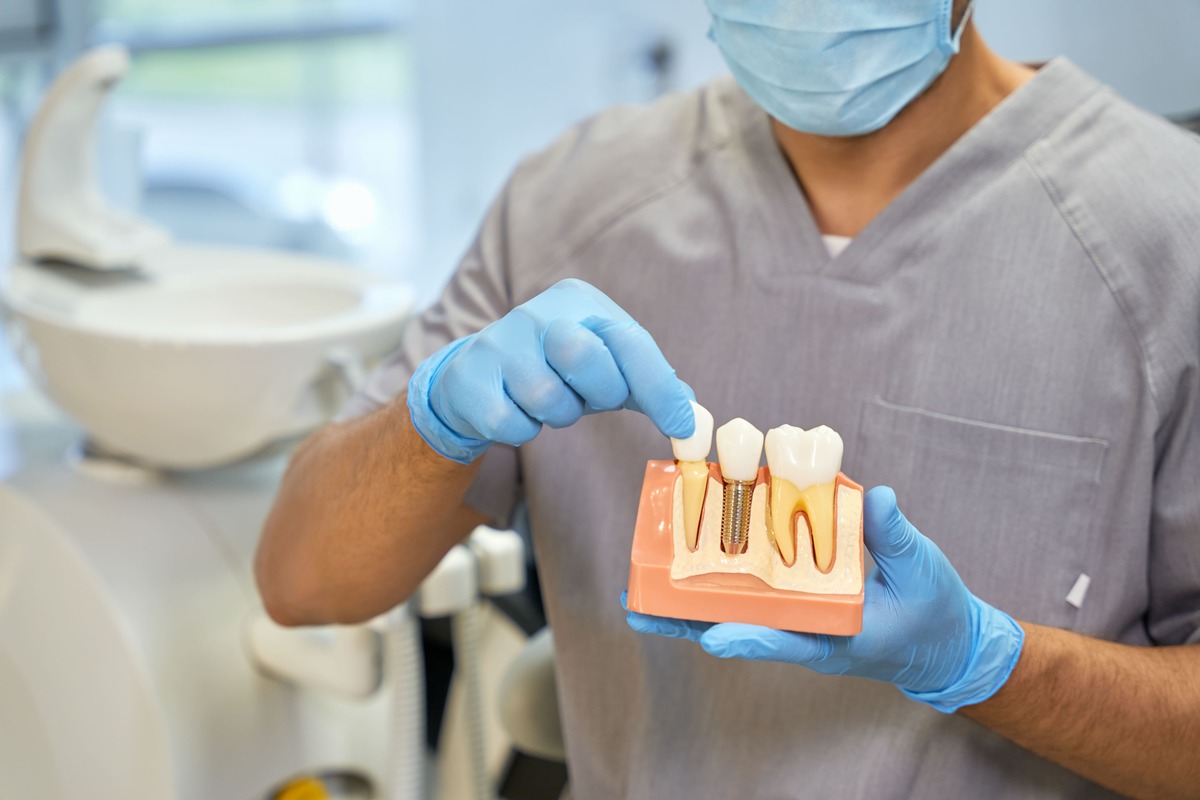

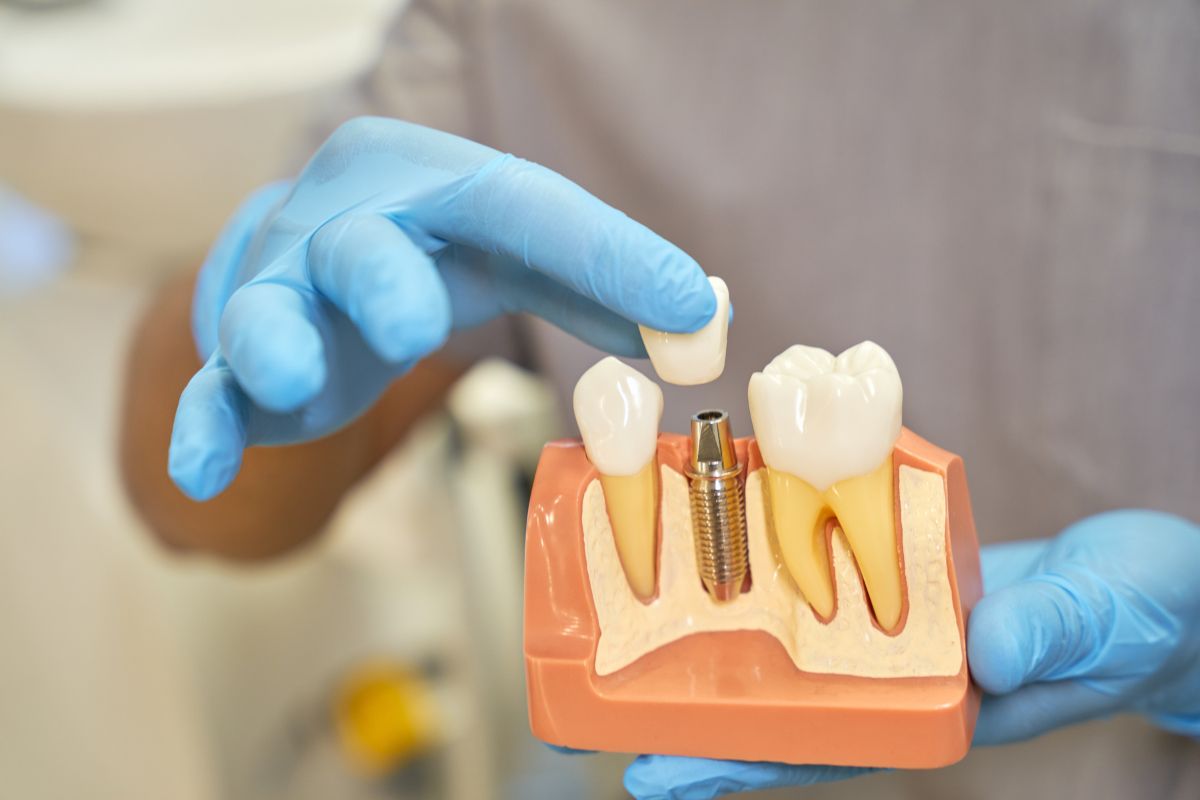
Thinking about getting a dental implant to restore your smile and chewing function? You’re not alone. Dental implants are a highly popular and effective solution for missing teeth, boasting a fantastic overall success rate, often quoted between 90% to 98% in long-term studies.
But let’s be real—even with high success rates, the thought of a complication can be nerve-wracking. The main biological concern with any implant is infection, specifically a condition called peri-implantitis.
So, what exactly puts an implant at risk, and can you beat the odds? We’ve gathered the latest data and risk factors for an American audience to help you understand how to protect your investment in a new, healthy smile.
The Infection Threat: Peri-Implantitis
Infection-associated failure in dental implants is relatively low, typically reported at or below 1.1% of cases in early analyses. However, the chronic inflammatory disease of the surrounding tissue, peri-implantitis, is a more common issue that can develop later on.
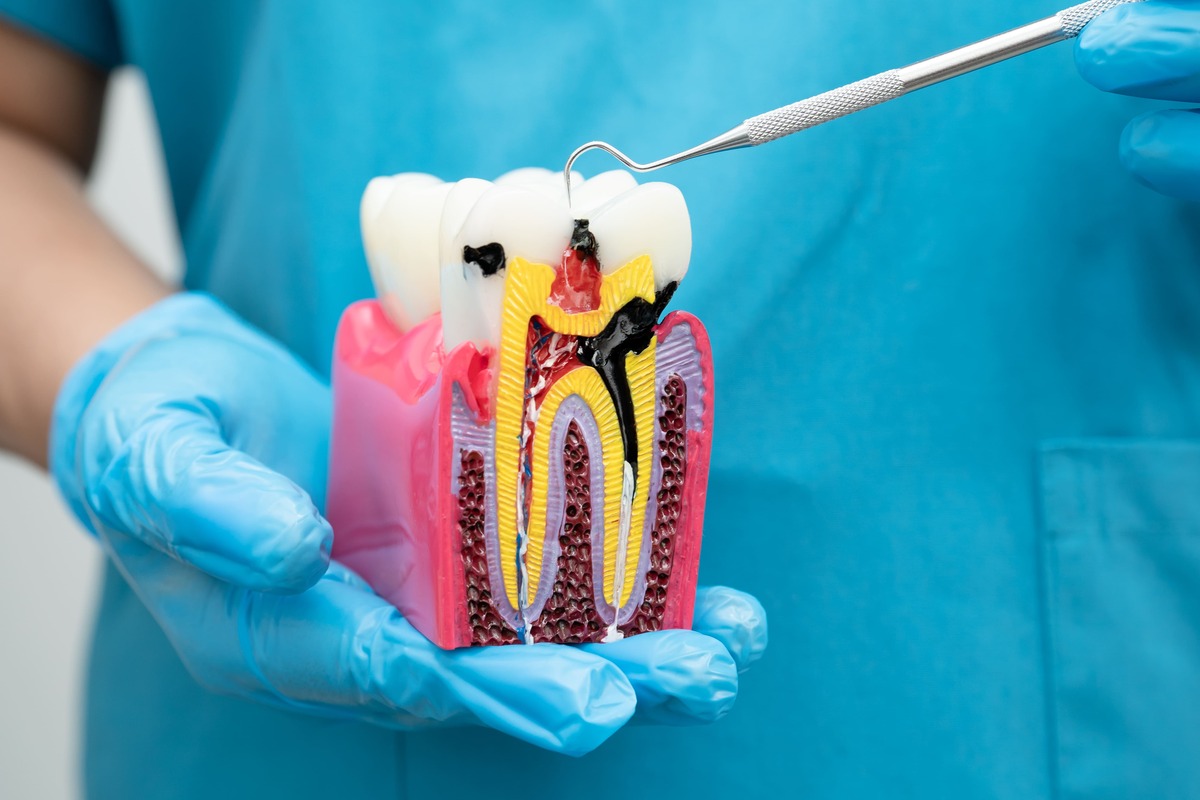
Peri-implantitis is comparable to periodontitis (gum disease) and involves inflammation of the gums around the implant, leading to progressive bone loss. It is considered one of the primary reasons for late dental implant failure.
The prevalence of peri-implantitis varies, but estimates suggest it affects around 12% to 43% of implant sites and 28% to 77% of subjects with implants over time. It’s caused by the buildup of bacterial biofilms on the implant surface, similar to how plaque forms on natural teeth.
Key Risk Factors for Dental Implant Infection
The risk of infection and implant failure is often divided into two main categories: local factors (related to the mouth and surgical site) and systemic factors (related to your overall health and lifestyle).
Local Risk Factors
These factors directly influence the environment around the implant:
- Poor Oral Hygiene: This is perhaps the most critical factor. The accumulation of plaque and bacteria-laden biofilm around the implant significantly increases the risk of developing peri-implantitis. Without meticulous daily cleaning, the bacterial colonies flourish.
- History of Periodontal Disease: If you’ve previously struggled with gum disease (periodontitis), you are at a much higher risk of developing peri-implantitis. Patients with untreated periodontitis have a reduced implant survival rate, making it crucial to control the condition before implant placement.
- Excessive Loading (Bruxism/Teeth Grinding): Constant, heavy forces on the implant, often due to clenching or grinding (parafunction), can cause micro-damage and bone loss at the implant-bone interface, which can eventually lead to failure and susceptibility to infection.
- Inadequate Bone Density or Quality: While often a cause of early failure (lack of osseointegration), poor bone quality can also be a later risk factor for complications. For instance, studies show a higher failure rate for implants placed in less dense bone types (like Type III/IV bone).
Systemic & Lifestyle Risk Factors
Your overall health plays a significant role in the healing process and your body’s ability to fight infection:
- Smoking: Tobacco use is one of the most significant modifiable risk factors. Smoking impairs the immune response and wound healing by reducing blood supply to the gums and bone. Smokers have a significantly increased risk of implant failure and peri-implantitis compared to non-smokers. One study highlighted that non-smokers had a higher survival rate than smokers (p=0.04).
- Uncontrolled Diabetes: While well-controlled diabetes patients have similar success rates to non-diabetic patients, poorly controlled diabetes is associated with impaired wound healing and a higher risk of infection and marginal bone loss around the dental implants in Chandler.
- Certain Medications: Oral and intravenous antiresorptive medications (used for osteoporosis) have been associated with a low but known risk of Medication-Related Osteonecrosis of the Jaw (MRONJ), which is an infection complication. Always disclose your full medication list to your dental surgeon.
- Age and Gender: Some research suggests a complex relationship with age, noting that infection rates were highest in the 20–40 years age group (20.7%) and decreased with older age groups, possibly due to lifestyle factors in the younger cohort. However, other studies have found females to have a significantly higher survival rate than males (p=0.01).
Prevention is the Best Medicine: How to Protect Your Implant
The high success rate of dental implants is a testament to modern dentistry, but it also depends heavily on you.
- Commit to Excellent Oral Hygiene: Brush twice daily with a soft toothbrush and use special interdental brushes or floss designed for implants to clean the area under the crown and around the post.
- Quit Smoking: If you smoke, this is the single best step you can take to ensure the long-term success of your implant.
- Manage Systemic Conditions: Work with your physician to ensure conditions like diabetes are well-controlled before and after surgery.
- Regular Maintenance & Check-ups: Regular visits to your qualified dentist in Chandler are crucial. They can monitor the health of your implant, check for early signs of inflammation (peri-implant mucositis—the reversible precursor to peri-implantitis), and perform professional cleanings that you can’t do at home. Skipping follow-up appointments significantly increases your risk.
- Choose an Experienced Surgeon: Proper surgical technique and implant placement are foundational to success. An experienced professional will use meticulous planning to minimize surgical risks.
Conclusion
Dental implants offer a durable and effective solution for tooth replacement, with success rates consistently above 90%. While the risk of infection and subsequent failure exists, it is largely manageable. The primary threats—peri-implantitis—are strongly associated with poor oral hygiene and smoking. By committing to a meticulous cleaning routine and controlling systemic health factors like diabetes, you become the most critical factor in securing the longevity of your dental implant. Protect your investment by partnering with your dental team for excellent preventative care.
FAQs
- How common is an infection immediately after the implant surgery?
Postoperative infection is a common complication but usually manageable. One study noted that infection was the most common postoperative complication, accounting for about 15.3% of cases, but this can often be mitigated with prophylactic antibiotics and meticulous surgical technique (Gopalkrishna & Sheetal, 2024). Your surgeon will provide specific post-operative care instructions to minimize this risk.
- What is the difference between peri-implant mucositis and peri-implantitis?
Peri-implant mucositis is the early, reversible stage, similar to gingivitis, characterized by inflammation, redness, and bleeding of the gum tissue around the implant, with no bone loss. Peri-implantitis is the more advanced stage, similar to periodontitis, which includes inflammation and progressive loss of the bone supporting the dental implant (NIH, 2024).
- Can a dental implant be saved if I develop peri-implantitis?
Yes, especially if caught early! Early-stage peri-implantitis can often be treated non-surgically with improved hygiene, professional deep cleaning, and, in some cases, antimicrobial therapy. More advanced cases may require surgical intervention to clean the implant surface and potentially regenerate lost bone (Perth Dental Implant Centre, 2024).
- How long after the procedure is the risk of infection highest?
Implant failures can occur early (during the healing/osseointegration phase) or late (after years of function). An extensive registry analysis found that the highest overall failure rate occurred within the first year post-implantation (2.21%), often attributed to a lack of successful fusion with the bone (Boren et al., 2023). Late-stage infection (peri-implantitis) can develop at any time, emphasizing the need for lifelong care.
- Does having a history of gum disease mean I can’t get an implant?
Not necessarily, but it means your risk is higher. You must have your existing gum disease fully treated and controlled before the implant procedure. Your dental professional will need to verify that your periodontal health is stable and that you will require a rigorous, ongoing maintenance schedule to prevent recurrent disease around your implant (Chrcanovic et al., 2014; Smiling Teeth, 2024).