
Close your eyes for a second and imagine your favourite meal. Maybe it’s a perfectly seared steak, a crisp autumn apple, or just a really good slice of pizza. Now, imagine a sharp, shooting pain right as you take that first bite. Ouch. If you’re reading this, you’re likely standing at a dental crossroads. Your dentist just gave you the news: that tooth is in trouble. Now you’re faced with the ultimate “this or that” of modern dentistry: Should you get a Root Canal to save the natural tooth, or just pull it and go for a Dental Implant?
It’s a tough call, and honestly, it’s one of the most debated topics in dental offices across the U.S. today. You want the option that lasts the longest, hurts the least, and—let’s be real—doesn’t drain your savings account.
So, grab a coffee (careful with the temperature if that tooth is sensitive!) and let’s dive into the data. We’re going to break down the success rates, the costs, and the recovery timelines to help you make the best choice for your smile.
The Root Canal (Endodontic Treatment)
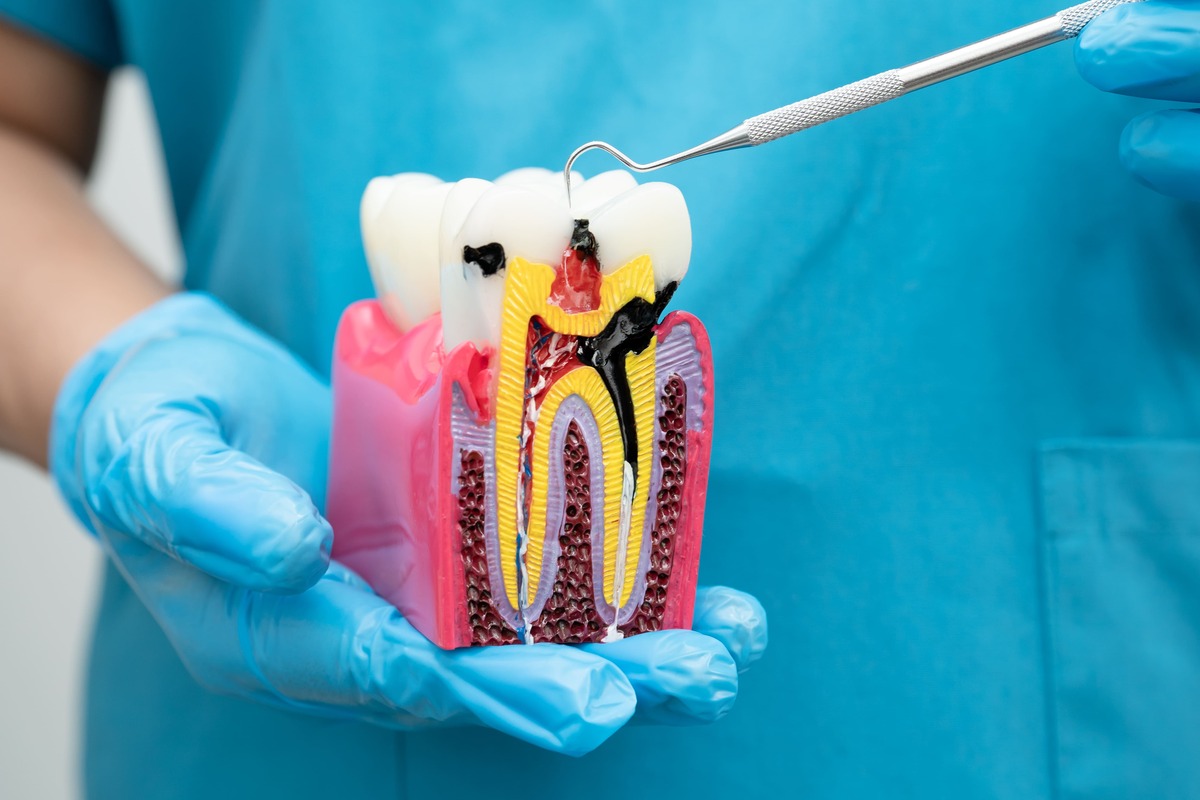
The goal of a root canal is simple: Preservation. It involves removing the infected pulp from inside the tooth, cleaning the canal, and sealing it. Usually, a crown is placed on top to restore strength.
The Data on Success
Root canals have a long-standing track record. According to a massive study published in the Journal of Endodontics, initial root canal treatments have a success rate of approximately 86% to 93% over a decade.
However, success depends heavily on the restoration. Data shows that teeth that receive both a root canal and a crown have a significantly higher survival rate than those that are just filled.
Pros and Cons
- Pros: You keep your natural tooth (which maintains your jawbone structure), the procedure is usually faster (1–2 visits), and it’s typically less invasive than surgery.
- Cons: The tooth can become brittle over time. If the infection returns, you might need a “retreatment” or an apicoectomy.
Tooth Extraction and Dental Implant
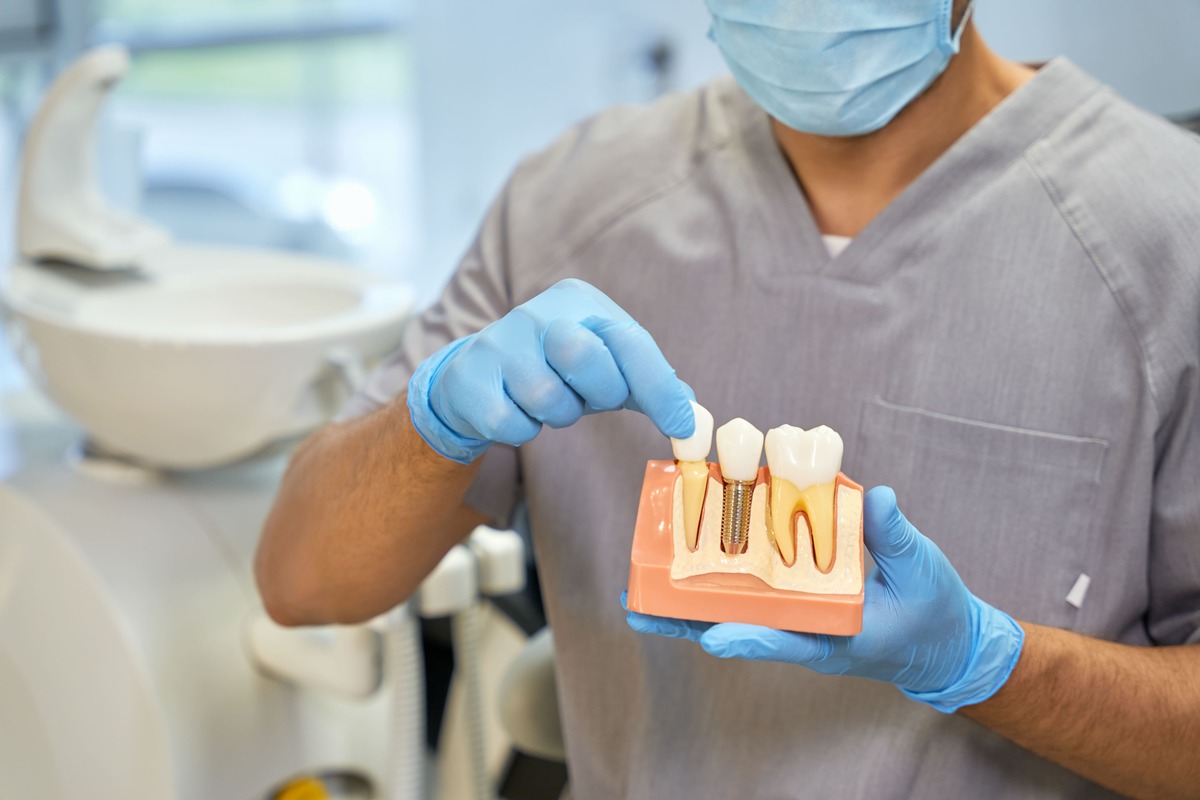
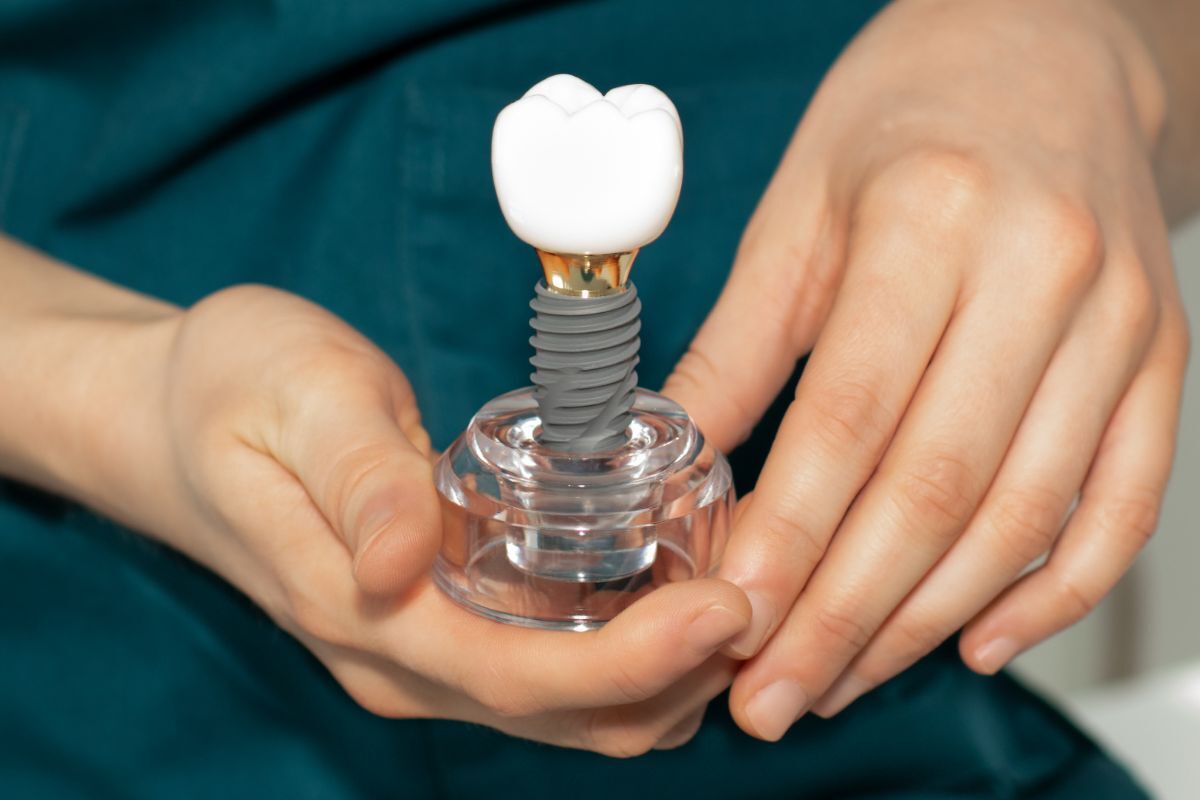
If the tooth is cracked below the gum line or the decay is too extensive, an implant is the “gold standard” for replacement. This involves removing the tooth and placing a titanium post into the jawbone to act as a root.
The Data on Success
Implants are incredibly reliable. According to the American Association of Oral and Maxillofacial Surgeons (AAOMS), dental implants have a long-term success rate of about 95% to 98% when performed by specialists.
A longitudinal study published in the International Journal of Oral & Maxillofacial Implants tracked patients for 10+ years and found that implants often outlasted root-canaled teeth that were structurally compromised from the start.
Pros and Cons
- Pros: They can’t get cavities, they look and feel like natural teeth, and they prevent the “sunken” look in your face by stimulating the jawbone.
- Cons: It is a surgical process. The “total time to tooth” can be 3 to 6 months while the bone heals (osseointegration). It also has a higher upfront cost.
Success Rates — How Long Will They Last?
Here’s where the science gets interesting.
Root Canal Success
Root canal therapy has very high success rates:
- 85%–97% success when done properly.
- Some studies show teeth remain functional 94% of the time over 3.5 years.
That’s impressive — especially considering you’re keeping your natural tooth!
Implant Success
Dental implants also boast excellent outcomes:
- 95%–98% success rates in most clinical settings.
- With proper care, implants can last 20+ years or even a lifetime, especially in healthy patients.
What the Studies Say
Different studies look at success and survival slightly differently. For example:
- Some research shows root canal survival at ~97% after 8 years — almost equal to implants (~95%).
- Other data suggest implants can show slightly lower failure rates overall, particularly in the first year.
Bottom line: Both treatments work extremely well for most people — but neither is perfect for everyone.
Treatment Time & Appointments — Quick vs Long Play
Root Canal
- Often completed in 1–2 visits.
- Recovery: just a few days.
Implant
- Requires tooth extraction, healing, implant placement, and crown placement — spread over 3–6+ months.
- Multiple visits and healing periods between stages.
So if you’re short on time or want fewer appointments, a root canal might be more appealing.
Your Natural Tooth vs Artificial One
One of the biggest debates:
Benefits of Keeping Your Natural Tooth
- Preserves your natural chewing function
- Maintains jawbone stimulation
- No surgical intervention required
- Often stronger bite force than artificial replacements
Benefits of Implants
- Implants do not decay
- No future root canal retreatments
- Excellent long-term durability
- Great aesthetics and functionality
But remember: If the tooth is fractured, severely decayed, or structurally compromised, saving it may not be possible — no matter how great root canals can be.
Risks & Downside of Each Option
Root Canal Risks
- The tooth may still fail if damage is extensive
- Retreatment sometimes needed
- A treated tooth may become brittle without a crown
Implant Risks
- More invasive surgery
- Longer timeline
- Higher upfront cost
- More frequent follow-up treatments in some patients (especially smokers or those with gum disease)
Decision Checklist: “Which One is Right for Me?”
Here are some common decision factors that dentists discuss with patients:
Root Canal May Be Best If:
- The tooth can be saved
- You want to preserve bone naturally
- You have time constraints
- You want a lower overall cost
Extraction + Implant Might Be Better If:
- The tooth is fractured beyond repair
- You’ve had failed root canals
- You prefer a more permanent long-term solution
- You’re willing to commit time to follow-up care
Common Misconceptions
- “Implants are always better than root canals.”
- Not necessarily. Both can be excellent depending on your situation.
- “Root canals always fail after a few years.”
- Most root canal-treated teeth last for many years — sometimes a lifetime.
Conclusion
At the end of the day, there is no “wrong” choice—only the choice that is right for your specific clinical situation and budget.
Root canals are a fantastic way to preserve your natural anatomy and get back to eating quickly. Dental implants are a miracle of modern science that provide a permanent, beautiful alternative when a tooth is beyond saving.
The best person to help you decide is a local certified dentist in Gilbert who looks at your X-rays and listens to your long-term goals. Don’t be afraid to ask for a “prognosis percentage”—most dentists are happy to give you their honest take on the likelihood of a root canal lasting ten years versus an implant.
Frequently Asked Questions
- Does a root canal hurt?
Most modern root canals are performed with anaesthesia and are no more uncomfortable than a filling. Recovery typically takes a couple of days at most.
- How long does an implant last?
With good oral hygiene and regular dental checkups, implants can last 20 years or more, often for a lifetime.
- Are implants covered by dental insurance?
Many plans cover root canals and crowns more fully; implants may have limited coverage. It’s best to check with your insurance provider.
- Can every tooth be saved with a root canal?
No — if the tooth is severely damaged, fractured below the gum line, or structurally compromised, it may need to be extracted.
- What if my root canal fails?
If the initial root canal doesn’t succeed, options include retreatment or extraction with implant placement — your dentist will help guide the best next step.