
Have you ever been enjoying a quiet dinner, only to hear an alarming crunch that definitely wasn’t part of the recipe? If you’ve already had a root canal on that tooth, your heart probably just skipped a beat. You might be thinking: “Wait, I thought this tooth was ‘dead.’ Can it still break? And if it does, am I looking at an extraction, or can an emergency dentist work some magic?”
Don’t panic just yet. While a crack in a root-filled tooth is a serious dental situation, it isn’t always a death sentence for your smile. Whether you’re dealing with a minor craze line or a deep fracture, timing is everything. Let’s dive into the data, the science of tooth structure, and what your local emergency dentist can actually do to save your pearly white.
The Vulnerability of Root Canal-Treated Teeth
To determine whether a tooth can be saved, we first need to understand why it cracked in the first place. A root canal is a lifesaver for an infected tooth, but it does change the tooth’s structural integrity.
Why Do They Crack?
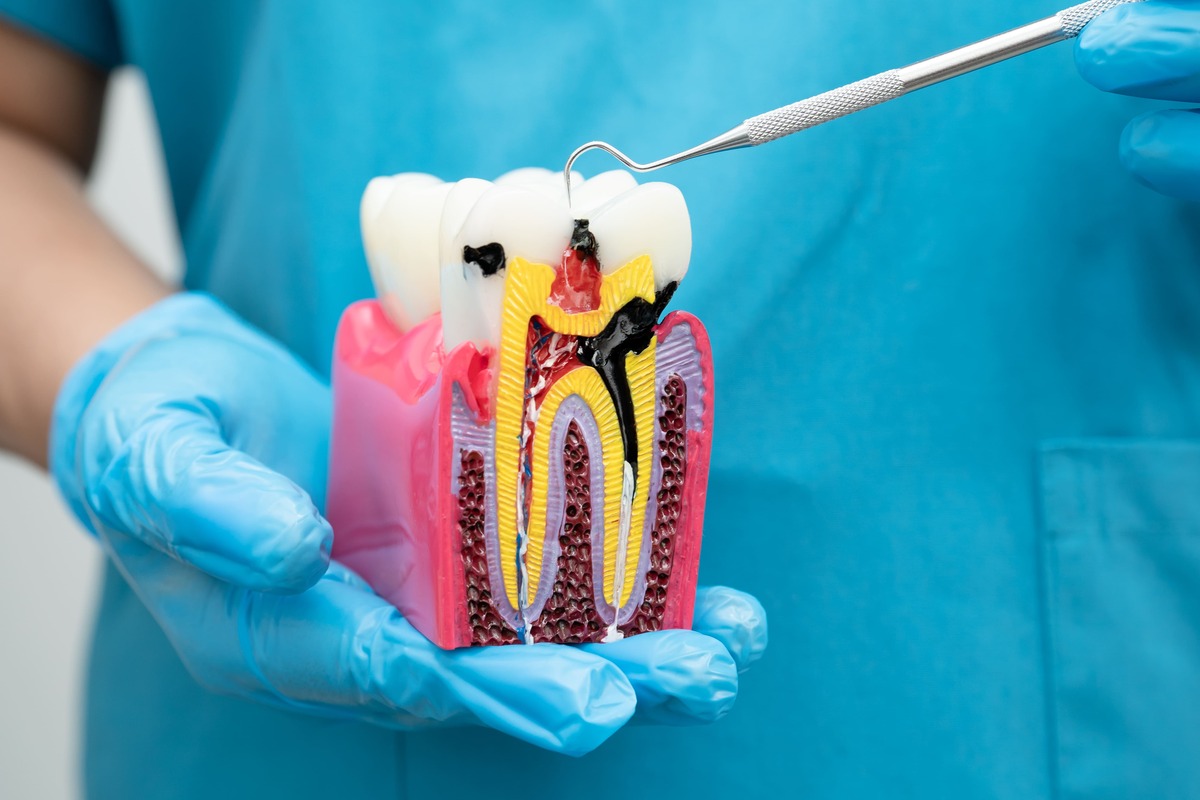
When a dentist performs a root canal, they remove the pulp—the living tissue, nerves, and blood supply. According to research published in the Journal of Endodontics, teeth become more brittle after a root canal treatment because they lose internal moisture and the protective feedback mechanism provided by nerves.
- Loss of Dentin: Accessing the canal requires removing a portion of the tooth’s internal structure.
- Brittleness: Dehydrated dentin is significantly less elastic than “live” dentin.
- Previous Trauma: Often, the reason the tooth needed a root canal (large cavities or old fillings) was that it had already been weakened.
Stat Check: Studies indicate that the survival rate of root canal-treated teeth is high (around 94% to 98%), but the leading cause of failure isn’t the treatment itself—it’s restorative failure or tooth fracture.
Can an Emergency Dentist Save the Tooth?
Short Answer: Yes—But It Depends on the Crack
Emergency dentists evaluate three main factors:
1. Location of the Crack
- Above the gumline → Often repairable
- Below the gumline → More complicated
- Into the root (vertical fracture) → Usually not salvageable
If the crack extends into the root, extraction is often required because bacteria can’t be fully sealed out.
2. Depth of the Crack
- Minor cracks: bonding or crown
- Moderate cracks: crown + reinforcement
- Deep cracks: possible root canal retreatment or extraction
3. Time to Treatment
Delaying care can lead to:
- Infection spread
- Tooth splitting further
- Bone loss
Emergency care significantly improves the chance of saving the tooth.
What Treatments Can Save a Cracked Root Canal Tooth?
1. Dental Crown (Most Common Solution)
A crown acts like a protective cap.
- Prevents further cracking
- Restores chewing strength
- Extends tooth lifespan
Teeth with full crowns after root canal treatment show up to 93.6% success at 2 years.
2. Post and Core Build-Up
Used when much of the tooth is missing:
- Reinforces structure
- Supports crown placement
3. Root Canal Retreatment
If infection returns:
- Cleans and reseals canals
- Often combined with a crown
4. Dental Bonding or Onlay (For Minor Cracks)
- Quick fix for small fractures
- Less invasive than crowns
5. Extraction + Replacement (Last Resort)
If the tooth cannot be saved:
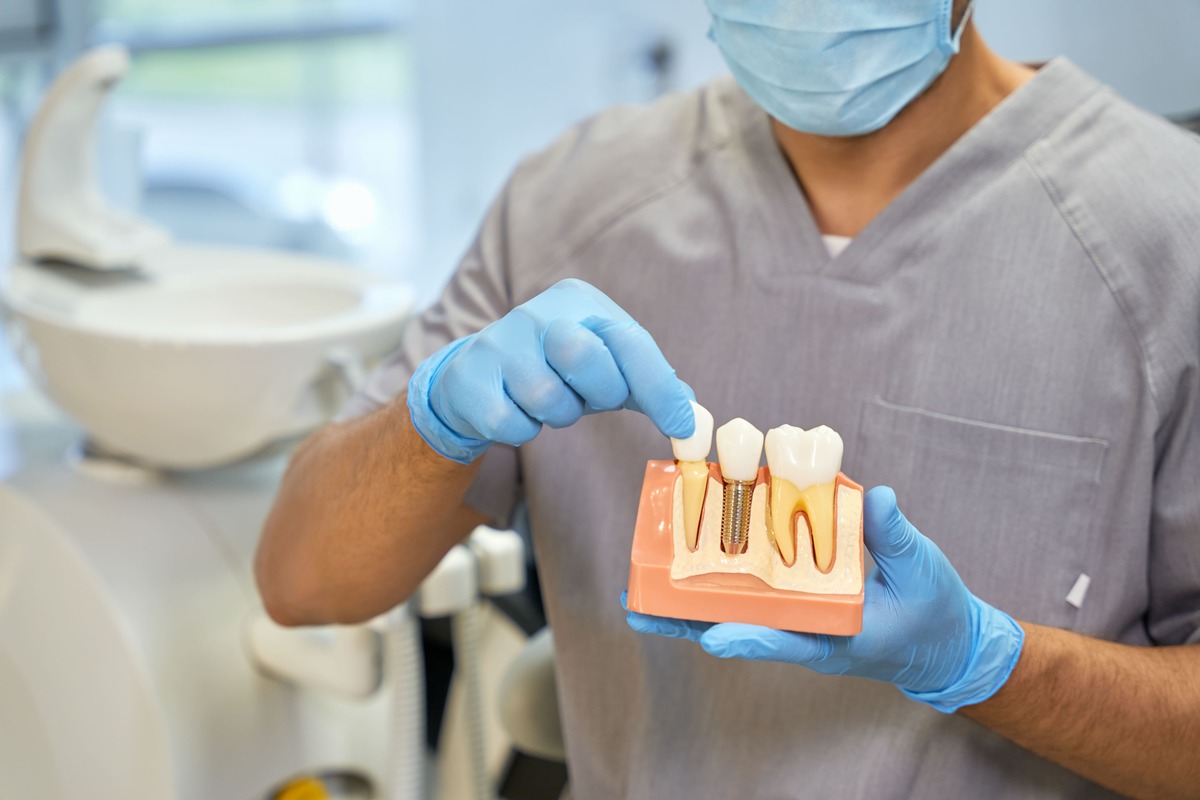
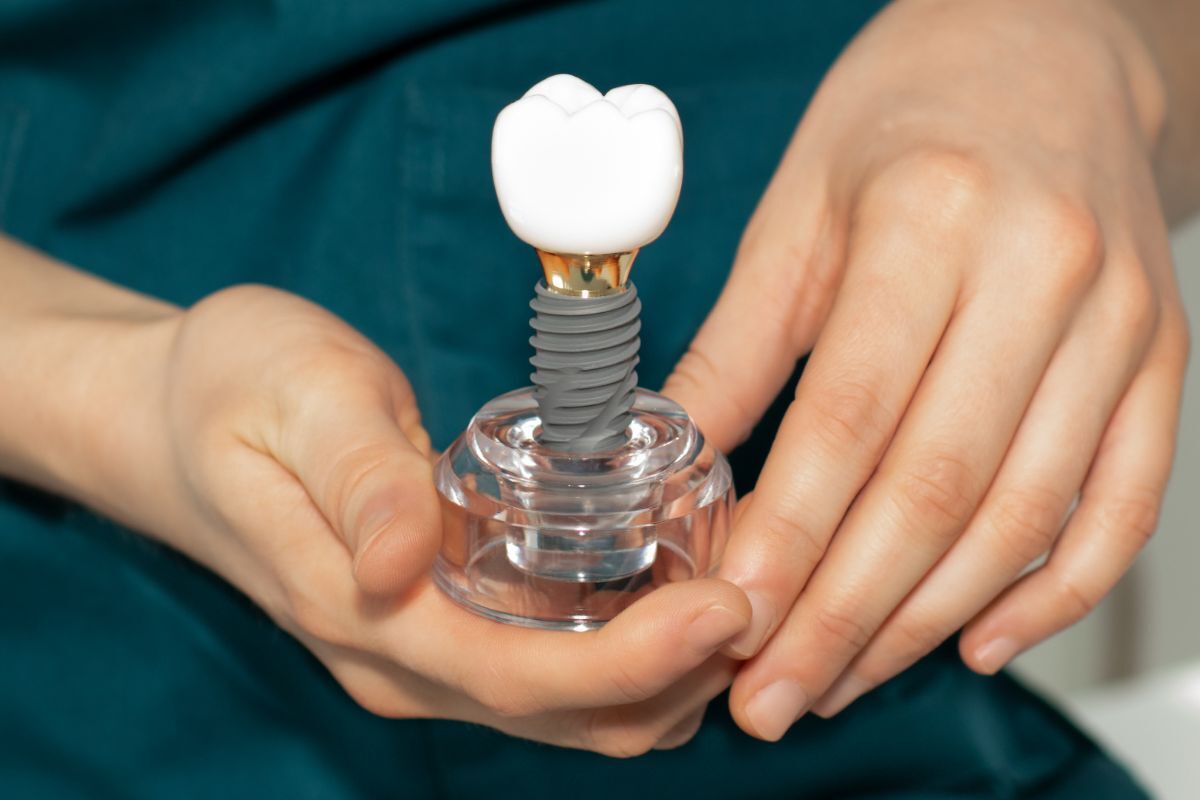
- Dental implant
- Bridge
Success Rates
Let’s talk numbers—because they matter.
Key Research Findings:
- 90% survival rate after 2 years for cracked teeth treated with root canals
- 84% survival after 5 years
- 68% survival after 5 years overall (higher with crowns)
- Up to 97% survival when crowned properly
Translation: Your tooth has a strong chance of survival—especially with timely treatment and proper restoration.
When Is It Too Late to Save the Tooth?
Unfortunately, not all cracked teeth can be saved.
Warning Signs of Non-Salvageable Teeth:
- Vertical root fracture
- Crack extending below the bone level
- Severe mobility (loose tooth)
- Recurrent infection that won’t heal
In these cases, tooth extractions are often the safest and most predictable option.
Emergency Symptoms You Should NEVER Ignore
Call an emergency dentist immediately if you experience:
- Sharp pain when biting
- Swelling or pus
- Sudden tooth fracture
- Sensitivity after root canal
- Loose or shifting tooth
Even if pain is mild, early intervention can make the difference between saving and losing your tooth.
How Emergency Dentists Diagnose Cracked Teeth
Diagnosis can be tricky—cracks are not always visible.
Tools Used:
- Digital X-rays
- Cone Beam CT (3D imaging)
- Bite tests
- Dye staining
- Microscopic evaluation
Early detection significantly improves outcomes.
How to Prevent Cracks After a Root Canal
Prevention is simpler—and cheaper—than emergency care.
Smart Prevention Tips:
- Always get a crown after a root canal
- Avoid chewing ice or hard foods
- Wear a night guard if you grind your teeth
- Maintain regular dental checkups
- Practice good oral hygiene
Skipping a crown is one of the biggest risk factors for tooth fracture.
Why Emergency Dentistry Matters
In the U.S., dental emergencies are common. Millions of patients visit emergency dentists in Chandler annually due to trauma, cracks, or infections.
Quick access to care means:
- Less pain
- Lower costs long-term
- Higher chance of saving natural teeth
Prevention: Protecting Your Investment
A root canal is an investment in your health. To avoid a trip to the emergency chair:
- Avoid “Hard” Foods: Steer clear of ice, unpopped popcorn kernels, and hard candies.
- Wear a Nightguard: If you grind your teeth (bruxism), you are at a much higher risk for fracturing a root-filled tooth.
- Get the Crown Immediately: Never wait more than a few weeks after a root canal to get your permanent crown.
Conclusion
Can an emergency dentist save a cracked tooth after a root canal? In many cases, yes—but only if the crack hasn’t reached the root. If the fracture is limited to the crown of the tooth, a prompt visit to an emergency provider can result in a successful restoration using a high-quality porcelain crown or onlay. However, if the crack has split the tooth or originated in the root, technology often reaches its limit, and an implant may be the better long-term solution.
The takeaway? If you feel a sharp edge or pain when biting, don’t wait for your six-month checkup. Consult a local certified Chandler dentist immediately to give your tooth the best chance of recovery.
Frequently Asked Questions
1. Is a cracked root canal tooth always an emergency?
Not always—but if there’s pain, swelling, or a visible fracture, you should seek immediate care to prevent complications.
2. Can a crown fix a cracked tooth after a root canal?
Yes. A crown is the most common and effective treatment for protecting and restoring cracked root canal teeth.
3. How long can a cracked root canal tooth last?
With proper treatment, studies show survival rates of 5–10 years or longer in many cases.
4. Does a cracked tooth after a root canal hurt?
It can. While the nerve is removed, surrounding tissues still detect pressure and inflammation.
5. What happens if I ignore a cracked tooth?
Ignoring it can lead to infection, worsening fractures, and eventual tooth loss.