

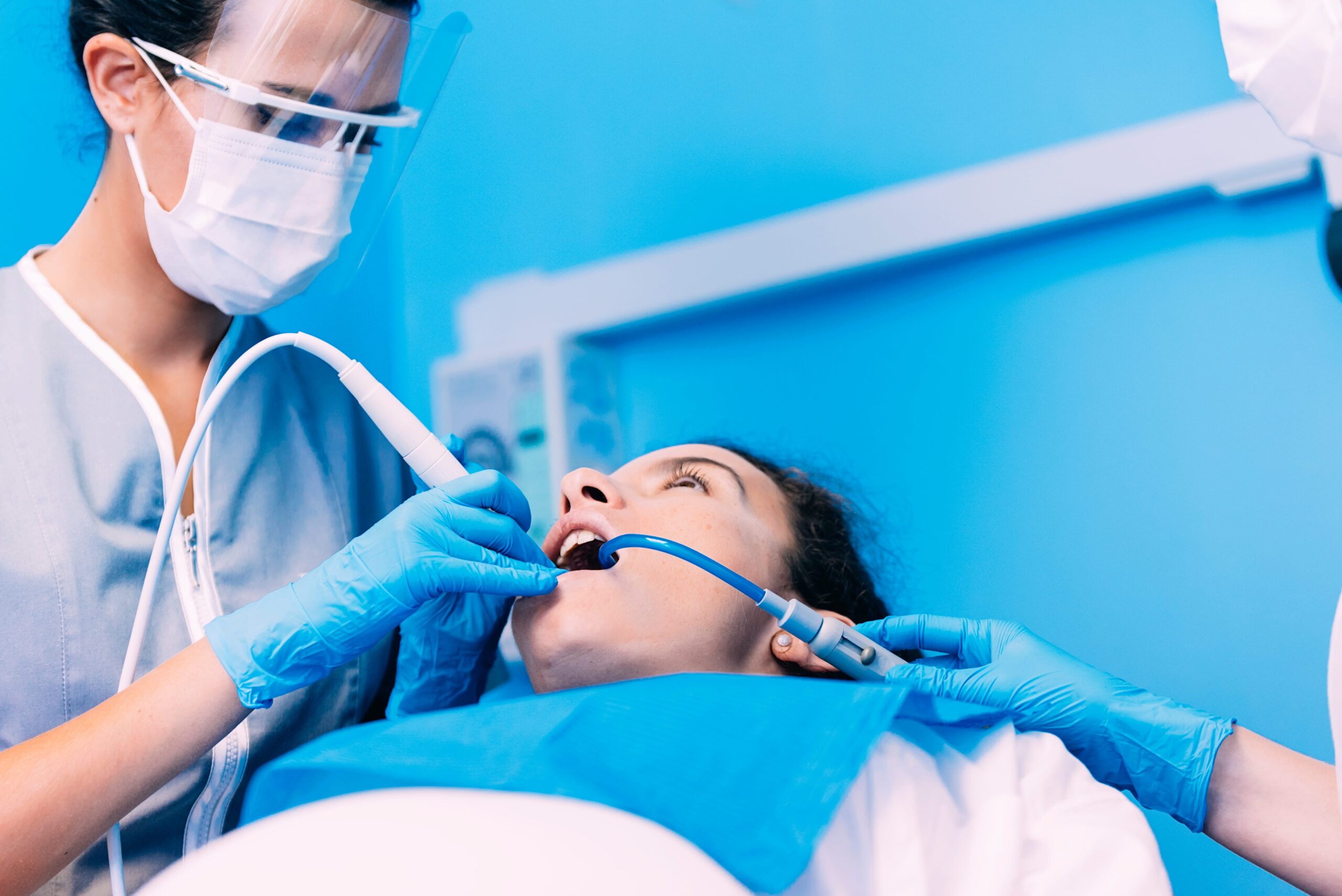
Dental anxiety is real — and it stops millions of Americans from getting the care they need. If you’ve ever white-knuckled your way through a cleaning or avoided the dentist altogether because of fear or discomfort, sedation dentistry might change everything for you.
Understanding the levels of sedation in dentistry is the first step toward choosing a solution that works for your specific needs. Whether you’re a nervous patient, someone with a sensitive gag reflex, or you’re facing a complex procedure, there’s likely an option that can help you get through your appointment comfortably and safely. At Riggs Family Dental in Chandler, AZ, we believe no patient should have to suffer through dental care or skip it because of anxiety.
Here’s a straightforward breakdown of what sedation dentistry involves — and what each level actually feels like.
Why Sedation Is Used in Dental Care
Before diving into the different levels, it helps to understand why sedation is used in the first place. According to the American Dental Association (ADA), dental anxiety affects an estimated 22% of adults, and severe dental phobia affects another 5–8%. Beyond anxiety, sedation is also used for:
- Long or complex procedures (implants, extractions, root canals)
- Low pain threshold or heightened sensitivity
- Difficulty sitting still for extended periods
- Sensitive gag reflex
- Special healthcare needs
Sedation helps manage all of these challenges, allowing both the patient and dentist to work more effectively.
The Four Main Levels of Sedation in Dentistry
The American Society of Anesthesiologists (ASA) defines four distinct levels of sedation, each representing a different degree of consciousness and physiological response. Dental practices use these same categories.
1. Minimal Sedation (Anxiolysis)
This is the lightest level of sedation. You’re fully awake and can respond normally to verbal instructions, but you feel noticeably relaxed. Your breathing, heart rate, and reflexes remain unaffected.
Common methods:
- Nitrous oxide (laughing gas) — inhaled through a small mask; effects wear off within minutes
- Low-dose oral sedation — a mild anti-anxiety pill taken before the appointment
Best for: Mild dental anxiety, routine cleanings, patients who want to feel calm but stay alert
Many patients are surprised by how effective minimal sedation is — it takes the edge off without leaving you feeling groggy or impaired afterward.
2. Moderate Sedation (Conscious Sedation)
At this level, you’re still conscious and can respond to touch or verbal commands, but you’ll likely feel drowsy and may not remember much of the procedure. Slurred speech is common. This is what many people picture when they think of oral sedation for dental work.
Common methods:
- Moderate-dose oral sedatives (benzodiazepines like triazolam)
- IV sedation administered by a trained provider
Best for: Moderate-to-severe dental anxiety, longer procedures, patients with a strong gag reflex
Important note: You’ll need someone to drive you home after moderate sedation. The sedative remains in your system for several hours.
3. Deep Sedation
Deep sedation sits just below the threshold of general anesthesia. You’re on the edge of unconsciousness — difficult to arouse and unaware of your surroundings. You may need assistance maintaining your airway.
Common methods:
- IV sedation at higher doses
- Oral sedation combined with nitrous oxide
Best for: Highly complex procedures, extreme dental phobia, patients who have not responded adequately to moderate sedation
Not all dental offices are licensed to administer deep sedation. It requires additional training, equipment, and monitoring. If you’re considering this level, make sure your provider has the appropriate credentials and safety protocols in place.
4. General Anesthesia
At this level, you are completely unconscious and unable to be aroused even by painful stimulation. You cannot maintain your own airway independently, and all protective reflexes are suspended. This is the same state used in hospital surgeries.
Common methods:
- Administered by an anesthesiologist or a dentist with advanced anesthesia training
- Typically reserved for oral surgery, wisdom tooth removal in complex cases, or patients with significant special needs
Best for: Extensive oral surgery, pediatric dentistry for uncooperative children, patients with severe developmental or cognitive conditions
The Mayo Clinic notes that general anesthesia carries more risk than lighter sedation levels and requires careful screening beforehand. Your medical history, medications, and current health status all factor into whether this option is appropriate.
Types of Oral Sedation: A Closer Look
Oral sedation is one of the most commonly requested types of dental sedation because it’s non-invasive, easy to administer, and effective for most anxiety levels.
You take a prescribed pill — usually one of the benzodiazepine class — about an hour before your appointment. Depending on the dose, it produces either minimal or moderate sedation. You’ll still be awake, but the feelings of fear, tension, or dread are significantly reduced.
What patients typically experience:
- A calm, heavy-limbed feeling
- Reduced awareness of time passing
- Little-to-no memory of the procedure afterward
- Mild drowsiness that can last several hours post-appointment
Research published in peer-reviewed dental literature consistently shows oral sedation to be safe and effective when properly dosed and monitored. Your dentist will review your medical history, current medications, and anxiety level before prescribing.
If you’re in Chandler and want to explore this option, our sedation dentistry services at Riggs Family Dental cover oral sedation, nitrous oxide, and more — all tailored to your comfort level.
How Your Dentist Determines the Right Level
Choosing the appropriate sedation level isn’t a one-size-fits-all decision. A thorough consultation is essential. Your dentist will consider:
- Your anxiety level — mild nervousness vs. severe phobia
- The procedure being performed — a filling vs. multiple extractions
- Your medical history — heart conditions, respiratory issues, or certain medications can affect sedation safety
- Your previous sedation experiences — what worked or didn’t work before
- Your preference — some patients want to be more aware; others want to remember nothing
Open communication with your dental team is the most important factor. There’s no judgment — your comfort and safety are the priority.
Is Dental Sedation Safe?
When administered by a properly trained provider in a well-equipped setting, dental sedation is considered safe for most patients. That said, every medical intervention carries some level of risk. The ADA requires that dentists administering sedation complete specific training and maintain emergency equipment on-site.
Before any sedation appointment:
- Disclose all medications, supplements, and health conditions
- Follow pre-procedure fasting instructions (especially for moderate/deep sedation)
- Arrange a responsible adult to drive you home if needed
- Ask your provider about their sedation training and monitoring protocols
Patients with certain conditions — including sleep apnea, obesity, heart disease, or liver issues — may require additional precautions or clearance from their physician.
Sedation Dentistry in Chandler, AZ
If dental anxiety has been keeping you from getting the care you need, you don’t have to push through it alone. Whether you’re looking for a gentle option like nitrous oxide or something more substantial for a longer procedure, having an honest conversation with a knowledgeable dentist in Chandler can open up options you didn’t know were available to you.
At Riggs Family Dental, we work with patients across Chandler to identify the right level of sedation for their situation — no pressure, no judgment. Our goal is to make every visit feel manageable, no matter where you’re starting from.
Conclusion
Understanding the levels of sedation in dentistry — from minimal anxiolysis to general anesthesia — puts you in a much stronger position to advocate for your own comfort during dental care. The right choice depends on your anxiety level, the complexity of your procedure, and your overall health. What matters most is that options exist and that you don’t have to white-knuckle it through treatment.
If you’re in the Chandler area and want to talk through which sedation approach fits your needs, Riggs Family Dental is here to help you figure it out — one step at a time.
FAQs
Q1: What are the four levels of sedation used in dentistry?
The four recognized levels are minimal sedation (anxiolysis), moderate sedation (conscious sedation), deep sedation, and general anesthesia. Each represents a progressively deeper state of reduced consciousness, with different methods and monitoring requirements at each stage.
Q2: Is oral sedation the same as being put to sleep?
No. Oral sedation typically produces minimal to moderate sedation — you remain conscious and can respond to your dentist, though you’ll feel deeply relaxed and may have limited memory of the procedure. Only general anesthesia renders a patient fully unconscious.
Q3: How long does dental sedation last?
It depends on the type. Nitrous oxide wears off within minutes of removing the mask. Oral sedatives can leave you drowsy for several hours after the appointment. IV sedation typically wears off more quickly but still requires a designated driver.
Q4: Is sedation dentistry safe for people with anxiety disorders?
For most patients, yes — but full medical disclosure is essential. Your dentist needs to know about any psychiatric medications, health conditions, or substance use history before prescribing sedation. The goal is to select the method that offers the best safety profile for your specific situation.
Q5: Can I request sedation for a routine dental cleaning?
Yes, in many cases. If dental anxiety makes even routine visits difficult, minimal sedation like nitrous oxide or a low-dose oral sedative is often appropriate. Talk to your dentist openly about your concerns — they can work with you to find an option that fits.