

If you have a cavity or a cracked tooth, the first question your dentist has to answer isn’t “when can we fix this” — it’s “what does this tooth actually need.” A filling and a crown solve different problems. Using the wrong one either wastes tooth structure that could have been saved, or leaves a tooth without enough support to survive normal chewing. Here’s how dentists at Riggs Family Dental Gilbert, make that call.
What a Filling Is Designed to Do
A filling replaces a small amount of missing tooth structure, usually after a cavity is cleaned out. It works by bonding directly to the remaining healthy enamel and dentin, sealing the area against bacteria and restoring the tooth’s shape. Fillings are appropriate when the majority of the natural tooth is still intact and structurally sound. The filling material isn’t meant to bear the full force of biting on its own — it relies on the surrounding tooth to hold it in place and share the load.
What a Crown Is Designed to Do
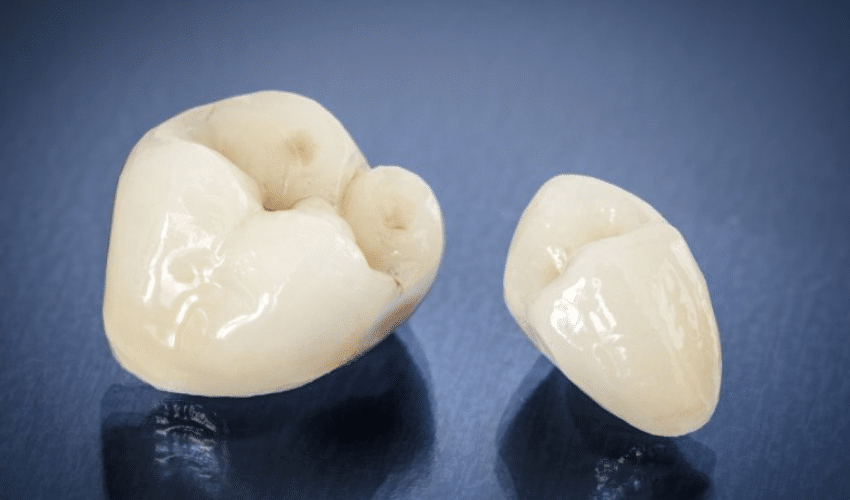
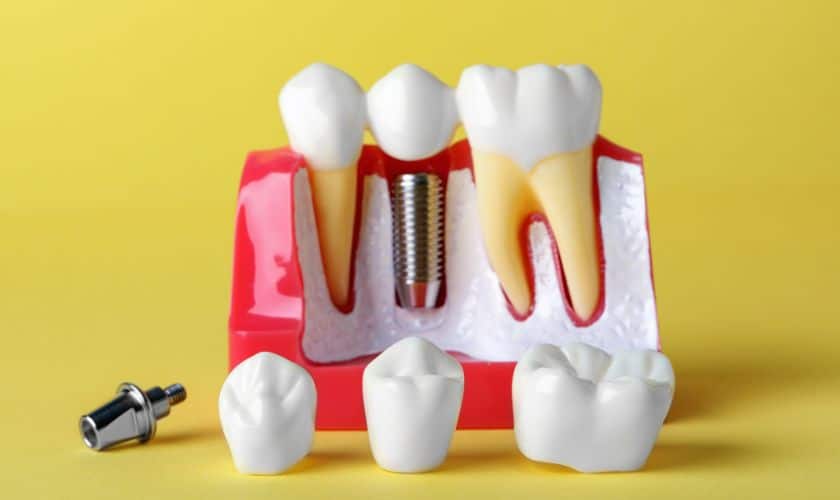
A crown covers the entire visible portion of a tooth, from the gumline up. Instead of patching a section, it becomes the new outer surface of the tooth, distributing bite force across the whole structure rather than concentrating it on a weakened spot. Crowns are used when there isn’t enough healthy tooth left to support a filling, or when the tooth is at risk of fracturing under normal use.
The Factors That Decide Between the Two
Size of the damage. Small to moderate cavities that leave most of the tooth intact are typically treated with a filling. Once decay or a fracture involves a large portion of the tooth — especially near the biting surface — a crown becomes the safer option because a large filling has less tooth structure to bond to and is more prone to breaking or falling out.
Location and bite force. Back teeth (molars and premolars) absorb significantly more chewing pressure than front teeth. A tooth with a large filling in a high-pressure area is more likely to crack over time, which is why dentists often recommend a crown for molars that have already been heavily filled or repaired.
Multiple existing fillings. A tooth that has been filled more than once has less original structure left with each repair. At some point, there isn’t enough natural tooth remaining to reliably hold a new filling in place, and a crown is needed to hold what’s left of the tooth together.
Cracks and fractures. A cracked tooth needs more than a filling — it needs something that reinforces the entire structure and prevents the crack from spreading. This is one of the most common reasons a crown is recommended over a filling in Gilbert patients who come in with a sudden bite-down injury.
After a root canal. Once the inside of a tooth has been treated with a root canal, the tooth is more brittle and prone to fracture, since the tissue that once supplied it with moisture is gone. A crown is almost always recommended after a root canal on a back tooth to protect it long-term.
Enamel erosion or wear. Teeth that have lost significant enamel due to grinding, acid erosion, or long-term wear may not have enough surface left for a filling to adhere properly. A crown rebuilds the tooth’s original shape and protects the exposed layers underneath.
Why the Decision Shouldn’t Be Guessed
Diagnostic imaging plays a large role in this decision. A crack or area of decay that looks minor on the surface can extend much further beneath the enamel. At Riggs Family Dental, dentists use digital X-rays and a clinical exam to evaluate how much healthy structure remains before recommending a treatment, rather than deciding based on appearance alone.
Same-Day Crowns Make the Decision Easier
One reason patients in Gilbert don’t put off getting a crown is the wait time involved with traditional crowns, which require a temporary crown and a second visit weeks later. Riggs Family Dental offers CEREC same-day crowns, using a CAD/CAM system and an intraoral scanner to build a custom, permanent crown in the same appointment — typically within about two hours. There’s no molded impression, no temporary crown, and no return visit required for a straightforward case.
Common Signs You May Need a Crown Rather Than a Filling
- A cracked or fractured tooth, even if it isn’t currently painful
- A tooth that has already been filled multiple times
- Visible or X-ray-confirmed decay that extends deep into the tooth
- A tooth that recently had root canal treatment
- Noticeable wear or thinning of enamel on a specific tooth
- Pain when biting down, which can indicate a crack beneath the surface
What to Expect During Your Visit
At your appointment, the dentist examines the tooth, reviews X-rays, and discusses what’s causing the damage. If a filling is sufficient, it’s typically completed in a single visit with local anesthesia. If a crown is the better option, Riggs Family Dental can walk through same-day CEREC crown options so the tooth is protected before more damage occurs. Waiting on a cracked or heavily decayed tooth generally makes the problem worse, since more of the structure can be lost the longer it’s left untreated.
Schedule a Consultation in Gilbert, AZ
If you’re dealing with a damaged tooth and aren’t sure whether it needs a filling or a crown, an exam is the only way to know for certain. Riggs Family Dental, located at 2487 S Gilbert Rd #105, Gilbert, AZ 85295, can evaluate the tooth and walk you through the most conservative option that still protects your long-term oral health. Call (480) 916-9548 to schedule an appointment.