

Preventive Strategies for Lasting Oral Health
Anyone who’s visited the dentist knows we use much more than just a toothbrush and floss to care for your teeth. Our specialized hand tools and handpieces are designed to remove stubborn buildup like tartar (also called calculus), which can’t be removed with regular brushing and flossing alone.
During your cleaning appointment, we do more than just polish your teeth—we also examine them closely for any signs of decay. If we spot a problem, we’ll walk you through your treatment options, whether it’s a simple filling, a crown, or something more advanced if the decay is extensive.
Of course, our favorite outcome is when everything looks healthy and we find no decay at all. The best way to keep it that way? Understanding how decay starts—because the more you know, the better you can protect your smile.
What is Tooth Decay?
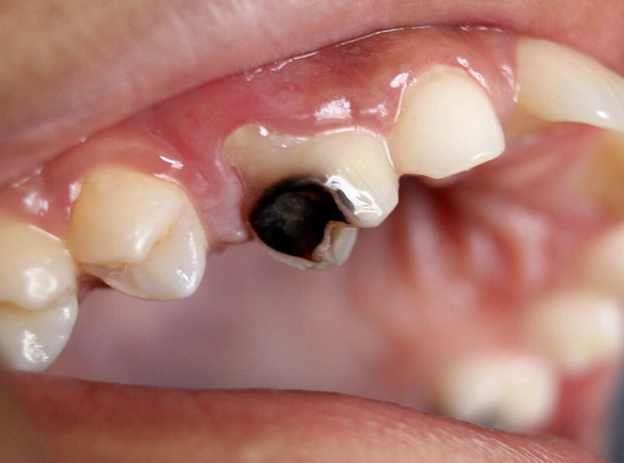
Tooth decay is actually one of the most common illnesses worldwide—second only to the common cold. Left untreated, it can lead to serious issues like pain, abscesses, infections, and even tooth loss. Statistics show that nearly every adult has experienced tooth decay at some point. Our mission is to change that, starting right here in our own community. By educating our patients on how decay develops and how to prevent it, we hope to turn the tide.
A common myth many of us learned growing up is that avoiding sugar alone will keep cavities away. While sugar does play a role, the truth is that preventing tooth decay takes more than just cutting out sweets. It’s about building a combination of healthy habits.
The recipe for a decay-free smile includes a balanced diet, a consistent and thorough daily oral hygiene routine, and regular visits to our office for cleanings and checkups. There's no magic trick—just a solid routine and a little help from your dental team.
Causes of Tooth Decay
Just like other parts of your body, your mouth is populated by both good & bad bacteria. When you don’t care for yourself properly, you can end up creating an environment where the bad (i.e., pathogenic) bacteria get the upper hand. In particular, these bacteria thrive when there is plenty of sugar for them to consume, which they digest & excrete as acid. This acid is what damages your teeth, eating into your tooth enamel & the softer dentin layer underneath. Eating highly acidic foods (lemons, tomatoes, soft drinks, etc.) can also weaken & even wear away your teeth.
Keeping Your Mouth Healthy
If your mouth is in an ideal condition, your body’s own immune responses & mechanisms, such as healthy saliva that contains tooth-building minerals, repair damage & keep bad bacteria from getting out of control. The goal of preventing decay is to keep your mouth in this healthy, balanced condition at all times. If you brush & floss correctly, get enough fluoride, limit your consumption of acidic or sugary foods & visit the dentist regularly, this should be easy for you.
Guidance On Preventing Tooth Decay
However, some patients have a tougher time preventing tooth decay & we are happy to provide guidance. If you’ve had a few run-ins with cavities, you may need a refresher course on your brushing or flossing techniques, which we’re happy to provide at your next visit. You can also boost the effectiveness of your at-home hygiene with special toothpastes, mouth rinses, toothbrushes or floss options. We’re happy to recommend these types of products if we think they will benefit you.
Nutritional counseling is another option to ensure decay-causing bacteria doesn’t get too much fuel. In children whose hygiene skills are still developing, sealing the deepest grooves on their back teeth can help prevent decay until they’re older & better at caring for their own teeth.