

When it comes to dental procedures, dental crowns play a crucial role in restoring the appearance and functionality of damaged or decayed teeth. However, like any dental restoration, dental crowns are not without their issues. From discomfort to structural problems, there are several common dental crown problems that patients may encounter. In this comprehensive guide, we’ll explore these issues in detail and discuss the solutions available to address them.
What Are Dental Crowns?
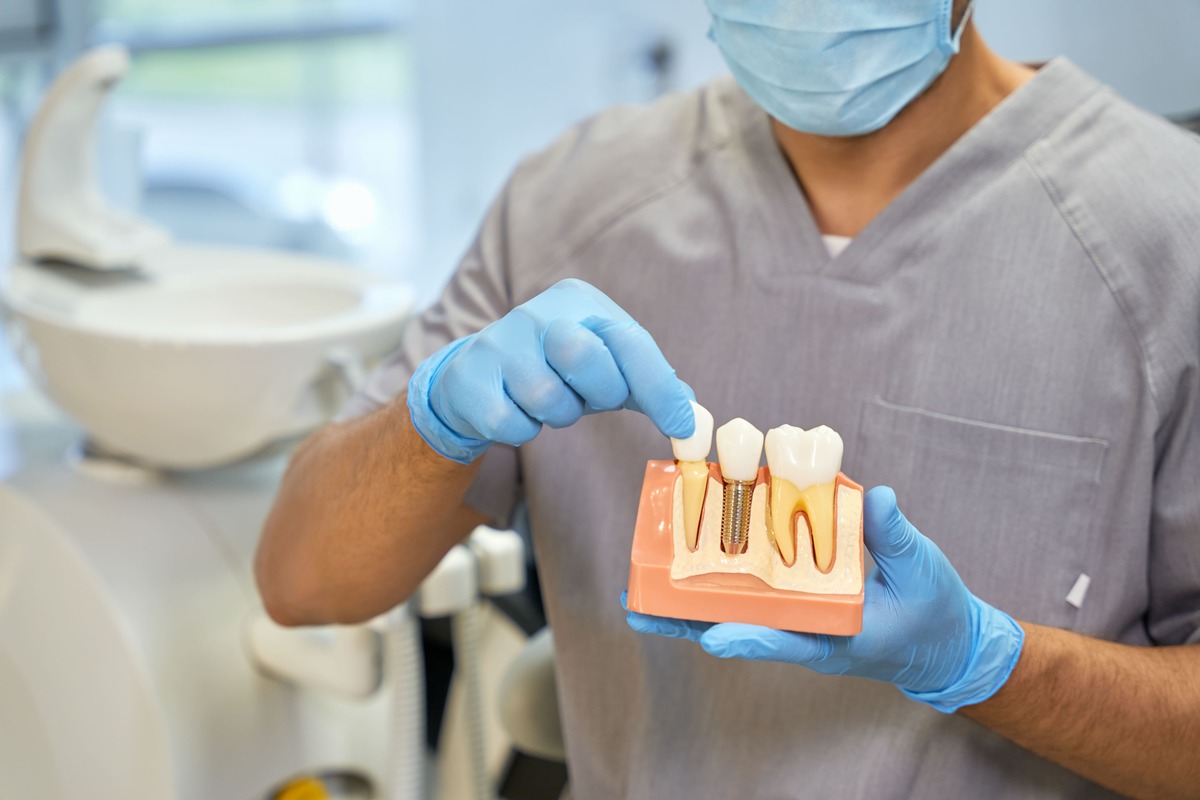
Dental crowns, also known as caps, are prosthetic devices placed over damaged or decayed teeth to restore their shape, size, strength, and appearance. These crowns are typically made from various materials such as porcelain, ceramic, metal, or a combination of materials.
Common Dental Crown Problems
1. Tooth Sensitivity: One of the most common issues experienced by patients with dental crowns is tooth sensitivity. This sensitivity may occur when consuming hot or cold foods and beverages, or when biting down on certain foods. The underlying cause of tooth sensitivity with dental crowns can vary, including nerve irritation or exposure due to improper fitting or decay underneath the crown.
2. Discomfort or Pain: Some patients may experience discomfort or even pain after getting a dental crown. This discomfort can stem from various factors such as improper bite alignment, gum irritation, or nerve irritation. In some cases, the discomfort may subside on its own as the mouth adjusts to the crown, but persistent pain should always be addressed by a dental professional.
3. Loose Crowns: Another common problem with dental crowns is loosening or dislodgement. This issue can occur due to various reasons, including improper fitting, inadequate cementation, or trauma to the tooth. A loose crown not only affects the appearance of the smile but also leaves the underlying tooth vulnerable to further damage or decay.
4. Chipping or Fracturing: Dental crowns are durable, but they are not indestructible. Chipping or fracturing of the crown can occur due to trauma, teeth grinding (bruxism), or biting down on hard objects. Depending on the extent of the damage, a chipped or fractured crown may require repair or replacement to maintain its functionality and aesthetics.
5. Gum Recession: Gum recession is another potential issue associated with dental crowns. When the gums recede, it can expose the edge of the crown, leading to an unaesthetic appearance and increased susceptibility to decay or gum disease. Proper oral hygiene practices and regular dental check-ups can help prevent or manage gum recession around dental crowns.
6. Allergic Reactions: In some rare cases, patients may experience allergic reactions to the materials used in dental crowns, particularly metal-based crowns. Symptoms of an allergic reaction may include inflammation, redness, or discomfort in the surrounding gum tissue. If an allergic reaction is suspected, it’s essential to consult with a dentist promptly to determine the appropriate course of action.
Solutions to Dental Crown Problems
Now that we’ve explored the common problems associated with dental crowns, let’s discuss the solutions available to address these issues effectively.
1. Tooth Sensitivity: If you’re experiencing tooth sensitivity with your dental crown, it’s essential to consult with your dentist to determine the underlying cause. Depending on the diagnosis, your dentist may recommend desensitizing toothpaste, fluoride treatment, or adjustments to the crown to alleviate the sensitivity.
2. Discomfort or Pain: Persistent discomfort or pain after getting a dental crown should never be ignored. Your dentist can evaluate the crown and surrounding tissues to identify the source of the discomfort. Depending on the cause, treatment options may include adjusting the crown’s fit, addressing gum irritation, or prescribing pain medication.
3. Loose Crowns: If your dental crown becomes loose or dislodged, it’s crucial to see your dentist as soon as possible. In some cases, the crown can be re-cemented onto the tooth. However, if the crown is damaged or cannot be securely reattached, a new crown may be necessary to restore the tooth’s functionality and appearance.
4. Chipping or Fracturing: If your dental crown chips or fractures, it’s essential to have it evaluated by your dentist promptly. Depending on the extent of the damage, your dentist may be able to repair the crown using dental bonding or composite resin. In more severe cases, a replacement crown may be necessary to ensure the tooth’s structural integrity.
5. Gum Recession: Preventing gum recession around dental crowns involves maintaining good oral hygiene practices and attending regular dental check-ups. Your dentist may recommend techniques such as gum grafting to restore lost gum tissue and improve the appearance of the gums around the crown.
6. Allergic Reactions: If you suspect that you’re experiencing an allergic reaction to your dental crown, it’s crucial to seek professional dental care immediately. Your dentist can assess the situation and recommend alternative materials for your crown that are less likely to cause an allergic reaction.
In conclusion, while dental crowns are an effective solution for restoring damaged or decayed teeth, they are not without their problems. From tooth sensitivity to chipping or allergic reactions, there are several issues that patients may encounter with dental crowns. However, by understanding these common problems and seeking timely dental care, patients can ensure that their dental crowns remain functional and aesthetically pleasing for years to come.