

It is an excruciating infection that, if left untreated, poses a myriad of health risks. Most people manage dental issues themselves to avoid visiting the dentist. However, professional care from a trusted dentist, can bring significant relief and ensure your oral health and overall well-being. Self-treatment for tooth infections is ineffective and can aggravate a worse condition to dangerous consequences. So, know the risks and seek professional care to ensure your well-being.
Why You Shouldn’t Self-Treat a Tooth Infection
Tooth Infections: The Hidden Dangers
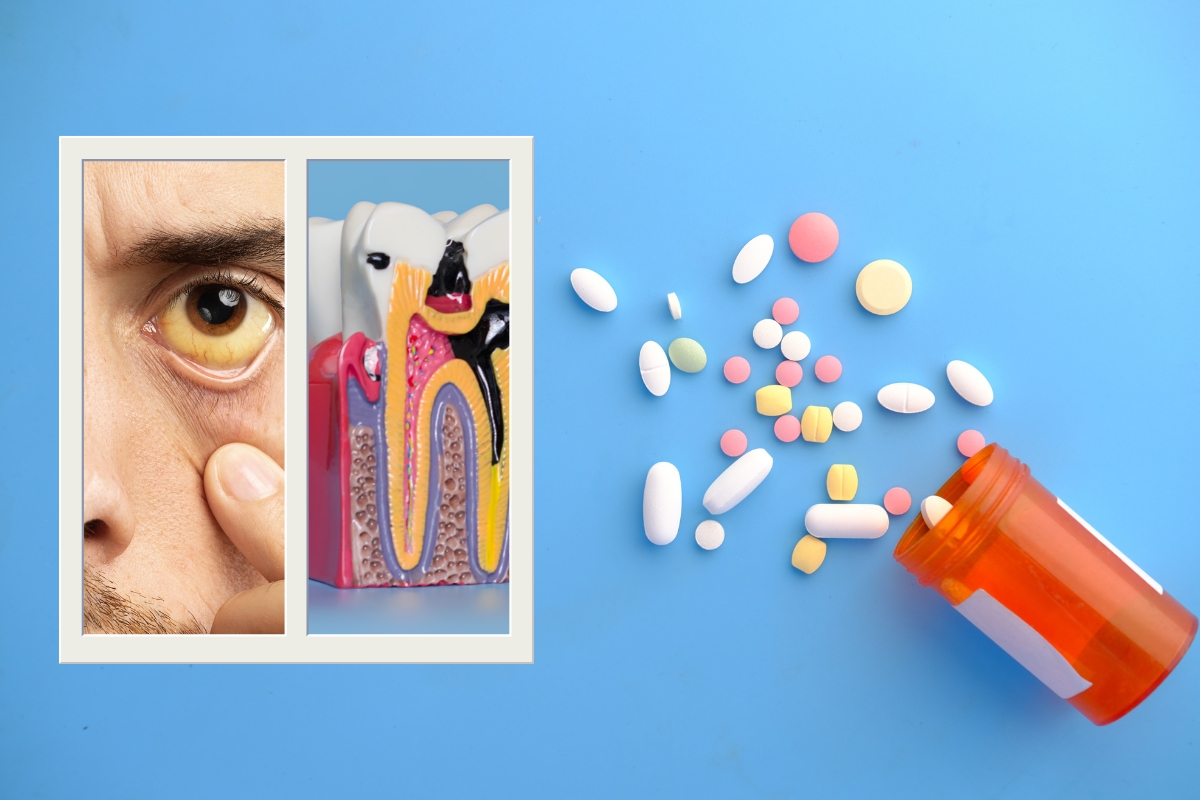
A tooth infection occurs when bacteria invade the pulp (the soft tissue inside the tooth). This can happen due to untreated cavities, trauma, or cracked teeth. Without proper, timely treatment, this infection can spread to different parts of your body, where it may cause extreme complications. Over-the-counter drugs for pain or other home remedies may help you alleviate the discomfort for a while, but they do not solve the core problem. In reality, self-treatment can delay proper care and let the infection spread.
Only a registered dentist, with their expertise and diagnostic tools, can accurately diagnose and provide appropriate treatments for infected teeth. Self-treatment may lead to worse health issues, including tooth loss or even life-threatening problems.
Why Self-Treatment Can Be Hazardous
Delayed Professional Treatment
The most significant risk of treating a tooth infection is that you’re delaying the required treatment. Over-the-counter pain relievers, application of garlic, or even just saltwater rinse might reduce the acute symptoms but do nothing in eliminating the infection that has taken hold of your tooth and can be spilling into other parts of your body, such as into your jaw, neck, or your bloodstream, which might give rise to severe complications like sepsis or even cellulitis.
Risk of Spread to Other Areas
This infection may spread from the tooth into your sinuses, jawbone, and even through to life-threatening vital organs such as the heart. Tooth infection-causing bacteria can travel throughout the body via the bloodstream to cause, among other things, endocarditis, a kind of infection affecting the lining of the heart. The risks are, therefore, fatal and require urgent professional medical treatment as soon as there is an indication that something is wrong.
Collapse of Tooth or Bone Structure
This increases your risk of permanently damaging a tooth infection. The most severe cases might result in the extraction of the tooth and damage to the surrounding bone. If treated in time, a dentist in Chandler & Gilbert, AZ, can avoid the loss of your tooth and the integrity of your jawbone.
Misdiagnosis
Without the right dental checkup, you may misjudge your condition. What appears to be a mild toothache might be an infection that requires urgent care. A dentist, with the use of digital X-rays and other diagnostic tools, can accurately diagnose the problem, giving you the confidence that you are receiving the right treatment.
Reliable Treatments for Tooth Infections
Antibiotics
At times, your dentist may prescribe antibiotics to contain the infection and prevent its spread. This is often a temporary measure as the dentist prepares to address the root cause of the infection with a more permanent treatment, such as a root canal or filling. Antibiotics can help control the infection, but they do not eliminate the root cause, which is why professional dental care is necessary.
Root Canal Therapy
Root canal therapy is one of the most common treatments for infected teeth. This procedure involves your dentist removing the infected pulp and cleaning and sealing the root canals to prevent infection. This will save the tooth from extraction and preserve its functionality.
Extraction of Tooth
If the infection is severe, it may be necessary to extract the tooth if it can’t be saved. This would be considered an extreme measure; however, it is highly necessary to avoid spreading the infection and all complications.
Preventive Care
Regular dental checkups and cleanings are crucial for early detection and prevention of infections. Your Chandler Dentists could identify early issues and recommend any necessary treatments before infections develop, empowering you to take proactive steps for your oral health.
Q: How do I know if I have a tooth infection?
A: Painful throbbing toothache pain; swollen gums or face; sensitive to hot and cold temperatures or a foul taste in your mouth. If you are experiencing any of these symptoms, it is essential to be seen promptly by a Chandler & Gilbert, AZ dentist.
Q: Can a tooth infection be self-treated?
A: Home remedies may temporarily ease the pain and discomfort but do not treat the infection. Only a dentist can adequately treat it to stop the infection and prevent it from spreading.
Q: If I don’t treat a tooth infection?
A: If left untreated, it can spread to the jaw, sinus area, or even vital organs. If serious, it could prove to be life-threatening. Professional treatment is necessary to prevent complications.
Professional Care Is Essential
Self-treating tooth infections may seem like a quick fix, but it can lead to severe complications if not handled properly. The safest way to manage a tooth infection is by visiting a Chandler & Gilbert, AZ dentist who can diagnose and treat the root cause. At Riggs Family Dental, we provide expert care to ensure your oral health is protected and infections are treated effectively. Whether it’s through antibiotics, root canal therapy, or other dental services, our team is here to help. Don’t delay—let our Chandler dentists take care of your smile today!