

Ever wake up feeling like you’ve gone twelve rounds in a boxing ring, even though you were tucked in by 10 PM? If you’re one of the 30 million Americans living with Obstructive Sleep Apnea (OSA), you know that “sleeping” and “resting” aren’t always the same thing.
But here’s a question most people don’t think to ask: Can that new dental crown you just got affect how your sleep apnea treatment works? It sounds like a stretch, right? One is for a tooth; the other is for your breathing. However, because many sleep apnea treatments—specifically Oral Appliance Therapy (OAT)—rely entirely on the shape and strength of your teeth, your dental work plays a massive role in how well you breathe at night. Let’s dive into the data-backed reality of how dental crowns and sleep apnea intersect.
Sleep Apnea – Why It Matters?
Before we explore the dental side of things, let’s ground ourselves in the reality of sleep apnea in the U.S.:
- An estimated 30 million Americans have obstructive sleep apnea (OSA), but up to 80 % of cases go undiagnosed.
- Globally, nearly 1 billion adults are affected by OSA, making it one of the most common sleep disorders worldwide.
- In the U.S., prevalence studies suggest that about 26% of adults aged 30–70 experience at least mild sleep apnea.
Untreated sleep apnea isn’t just about snoring — it’s linked to increased risk of high blood pressure, cardiovascular disease, stroke, and metabolic issues. That’s why effective treatment isn’t just about comfort — it’s about long-term health.
Sleep Apnea Treatments — Where Dental Devices Fit In
Before we look at the teeth, let’s look at the scale of the problem. According to the American Medical Association (AMA), roughly 6 million Americans have been officially diagnosed with sleep apnea, but an estimated 24 million more remain undiagnosed.
Typically, there are multiple approaches to treating obstructive sleep apnea:
- CPAP (Continuous Positive Airway Pressure) — the “gold standard” for moderate to severe OSA.
- Oral Appliances — custom dental devices that reposition the jaw and tongue.
- Surgery or implants — sometimes recommended for structural issues.
Not everyone tolerates CPAP well, and that’s where dental options — particularly mandibular advancement devices (MADs) or other oral sleep apnea appliances — become highly valuable. They are often recommended for mild to moderate sleep apnea or for patients who can’t tolerate CPAP therapy.
How Oral Sleep Appliances Work?
Most dental-related sleep apnea treatments work by altering jaw position:
- Mandibular Advancement Devices (MADs) move the lower jaw slightly forward during sleep. This increases the upper airway space, reducing collapses that cause apnea.
- By creating more space at the back of the throat, these devices can significantly reduce snoring and the Apnea-Hypopnea Index (AHI) — a key measure of sleep apnea severity.
- In clinical studies, MADs have reduced apnea events (AHI) by about 42 % on average, though CPAP still remains more effective overall in reducing AHI (about 75 % reduction).
- Still, oral appliances often have higher compliance rates — meaning people actually use them consistently — roughly 90 % vs. 50 % for CPAP.
Enter Dental Crowns — What They Are
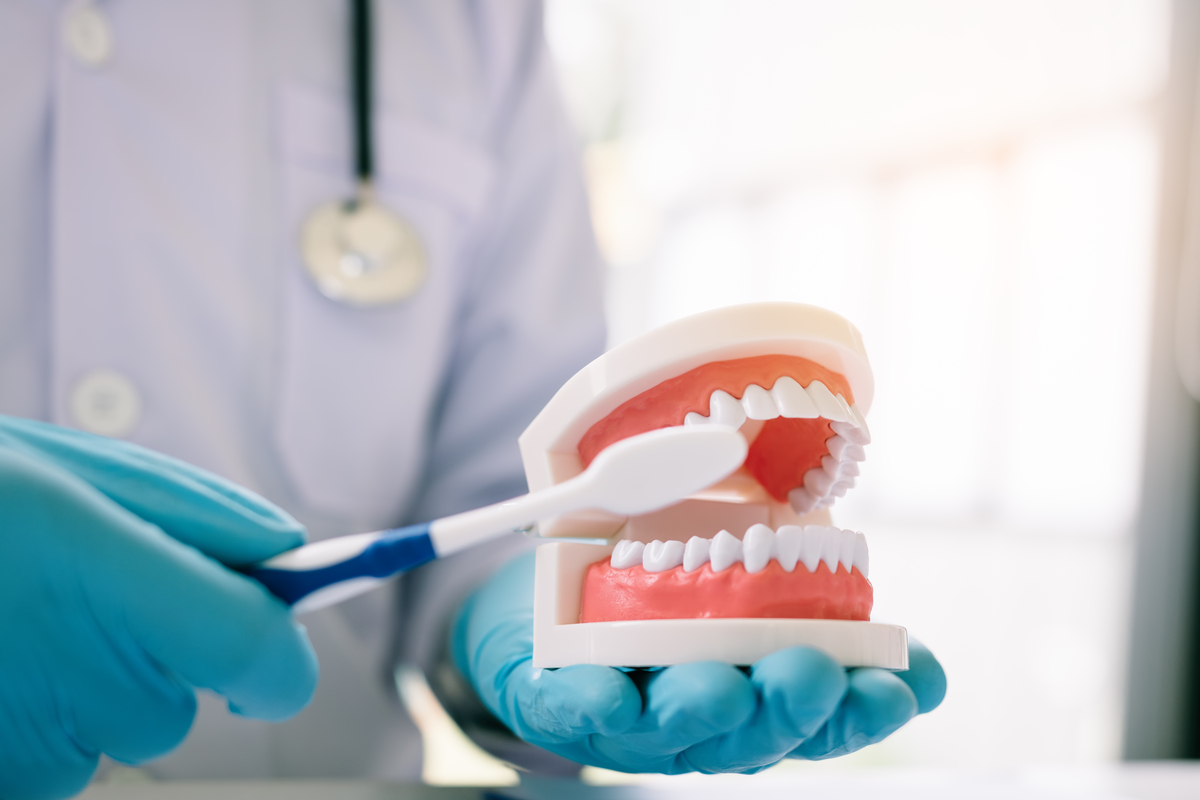
A dental crown is a cap placed over a tooth to restore its shape, size, strength, or appearance. Crowns are common due to decay, fractures, or restorative procedures such as root canal treatment. Important variations include:
- Porcelain crowns, which mimic the appearance of natural teeth.
- Metal or porcelain-fused-to-metal crowns, which balance durability and aesthetics.
Crowns can alter the shape and contours of your teeth, slightly or dramatically, depending on how extensive the work is.
Can Dental Crowns Affect Sleep Apnea Treatment?
Yes — but indirectly, and it depends on the treatment modality.
Here’s how dental crowns can influence your sleep apnea therapy:
Oral Appliance Fit and Comfort
If your sleep apnea treatment involves a custom-made oral appliance — and dental crowns change your bite or tooth profiles — here’s what may happen:
Impact:
- A new crown can affect how snugly your appliance fits.
- A poorly-fitting oral device can cause discomfort, reduced efficacy, or increased dental pressure during use.
Dental sleep specialists often remake or adjust appliances after significant dental work so they continue fitting properly. If the appliance was made before crowning, it may need to be remade afterward to ensure the bite and jaw alignment remain correct.
Dentists sometimes actually design the crown with the appliance in mind, especially when the apnea device is critical to daily use. This means communicating between your dentist and your sleep dentist is vital.
Bite Changes and Long-Term Jaw Position
Dental crowns — especially multiple or extensive ones — can subtly shift how your upper and lower teeth meet (occlusion). Since many oral sleep appliances depend on precise jaw advancement:
- Even minor changes in bite could alter how the device positions your jaw.
- Over time, small occlusal shifts might reduce the effectiveness of the oral appliance.
So while crowns don’t affect sleep apnea itself directly, any change in how your jaws align — even dental restorations — can influence how well your device keeps the airway open.
Crowns and Other Dental Pain or TMJ Issues
For sensitive individuals, crowns can occasionally lead to:
- Temporary jaw soreness
- Bite sensitivity
- Muscle tension
These symptoms might be mistaken for sleep therapy discomfort, but they can also overlap, making it harder to isolate what’s affecting sleep quality.
Proper adjustment soon after getting dental crowns can prevent these issues from interfering with your sleep apnea appliance or therapy success.
Balancing Crowns and Sleep Apnea Treatment
Here’s what most dental sleep experts and dentists recommend for anyone in this situation:
- Schedule a Consultation Before Your Dental Work: Talk to both your general dentist and your sleep apnea specialist before getting crowns — especially if you’re wearing a custom appliance.
- Update Your Oral Appliance After Crowns: Once your crowns are in place and your bite is stable, ask for a retake of your dental impressions so a fresh appliance can be made (or adjusted).
- Monitor for Bite Changes or Discomfort: If you notice soreness, shifting fit, or increased jaw tension with your oral appliance after dental work, report it promptly.
- Keep Your Sleep Study Results in Mind: Your therapy effectiveness (such as changes in AHI or sleep quality) should guide decisions about whether to adjust your dental sleep device—not just comfort alone.
What You Should Know
- So, can dental crowns affect your sleep apnea treatment?
Yes — indirectly. Crowns can change bite relationships and how a custom oral appliance fits and functions. - No — crowns don’t cause or cure sleep apnea. They are unrelated to the underlying airway obstruction that causes apnea.
The key is communication and coordination with your local certified dentist in Chandler.
By doing that, you can enjoy the benefits of dental restoration while keeping your sleep apnea therapy effective and comfortable.
Conclusion
Dental crowns and sleep apnea treatments are more connected than most people realize. While crowns don’t prevent you from treating your apnea, they do require a “big picture” approach to your oral health. If you’re planning on getting a Mandibular Advancement Device, make sure your crowns are in tip-top shape first. Conversely, if you keep breaking your crowns, it might be time to ask your doctor for a sleep study.
Frequently Asked Questions
- Can getting a dental crown make sleep apnea worse?
Not directly. Crowns don’t change your airway mechanics. However, if they significantly alter your bite and your oral sleep appliance no longer fits well, it may feel like treatment is less effective until adjustments are made. - Should I delay getting crowns until after sleep apnea treatment?
If you wear a custom oral appliance, it’s smart to coordinate timing — but you don’t necessarily need to delay. Just ensure your clinicians communicate and plan impressions and adjustments around your dental work. - Will my sleep apnea oral device need to be remade after crowns?
Often, yes. A new fit helps ensure the device works as intended with your updated dental anatomy. - Do dental crowns help with sleep apnea?
Not on their own. Some dental work may improve jaw alignment in specific cases, but crowns are primarily restorative — not a sleep apnea therapy. - Do sleep apnea oral devices damage teeth long-term?
Oral appliances can cause dental shifts over years of use, such as changes in overbite or tooth position, especially without regular dental follow-up.