Completing Invisalign treatment is the final step in straightening your teeth, but it is not the final step in maintaining your smile. Teeth continue to shift throughout life because of natural changes in bone, gum tissue, and daily biting forces. A retainer helps stabilize your new tooth position while the surrounding tissues adapt.
If you are considering Invisalign Treatment in Gilbert, understanding the role of retainers can help you protect your long-term results.
Why do you need a retainer after Invisalign?
Yes, wearing a retainer after Invisalign is necessary to keep your teeth from shifting back.
After your last aligner, the periodontal ligament and surrounding bone need time to stabilize. Without retention, teeth can gradually move toward their previous positions, a process called orthodontic relapse.
According to the American Association of Orthodontists, retainers are a standard part of orthodontic treatment because tooth movement can continue throughout adulthood.
A retainer helps:
-
Maintain tooth alignment after treatment.
-
Support bone remodeling around the teeth.
-
Reduce the risk of relapse.
-
Preserve your bite.
How long do you have to wear a retainer after Invisalign?
Most patients wear a retainer full time at first, then switch to nighttime wear for long-term maintenance.
The exact schedule depends on your orthodontist’s recommendations, but a typical progression looks like this:
|
Time after Invisalign |
Typical retainer schedule |
| First few months | 20 to 22 hours daily |
| After stabilization | Nighttime wear |
| Long term | Every night indefinitely |
Nighttime wear often becomes a lifelong habit because natural tooth movement continues with age.
What happens if you stop wearing your retainer?
Your teeth can begin shifting within days or weeks if you stop wearing your retainer.
The amount of movement varies. Recent Invisalign graduates usually notice changes sooner than people who have worn retainers consistently for years.
Signs that your teeth are shifting include:
-
A retainer feels tighter than usual.
-
Small gaps appear.
-
Front teeth look uneven.
-
Your bite feels different.
If your retainer no longer fits comfortably, contact your dentist before trying to force it into place.
Which type of retainer is used after Invisalign?
Clear removable retainers are the most common option after Invisalign, but fixed retainers may be recommended for some patients.
Your dentist may recommend one of these options.
-
Clear removable retainers, including Vivera retainers and Essix retainers.
-
Fixed bonded retainers, including thin wires attached behind the front teeth.
How do clear retainers work?
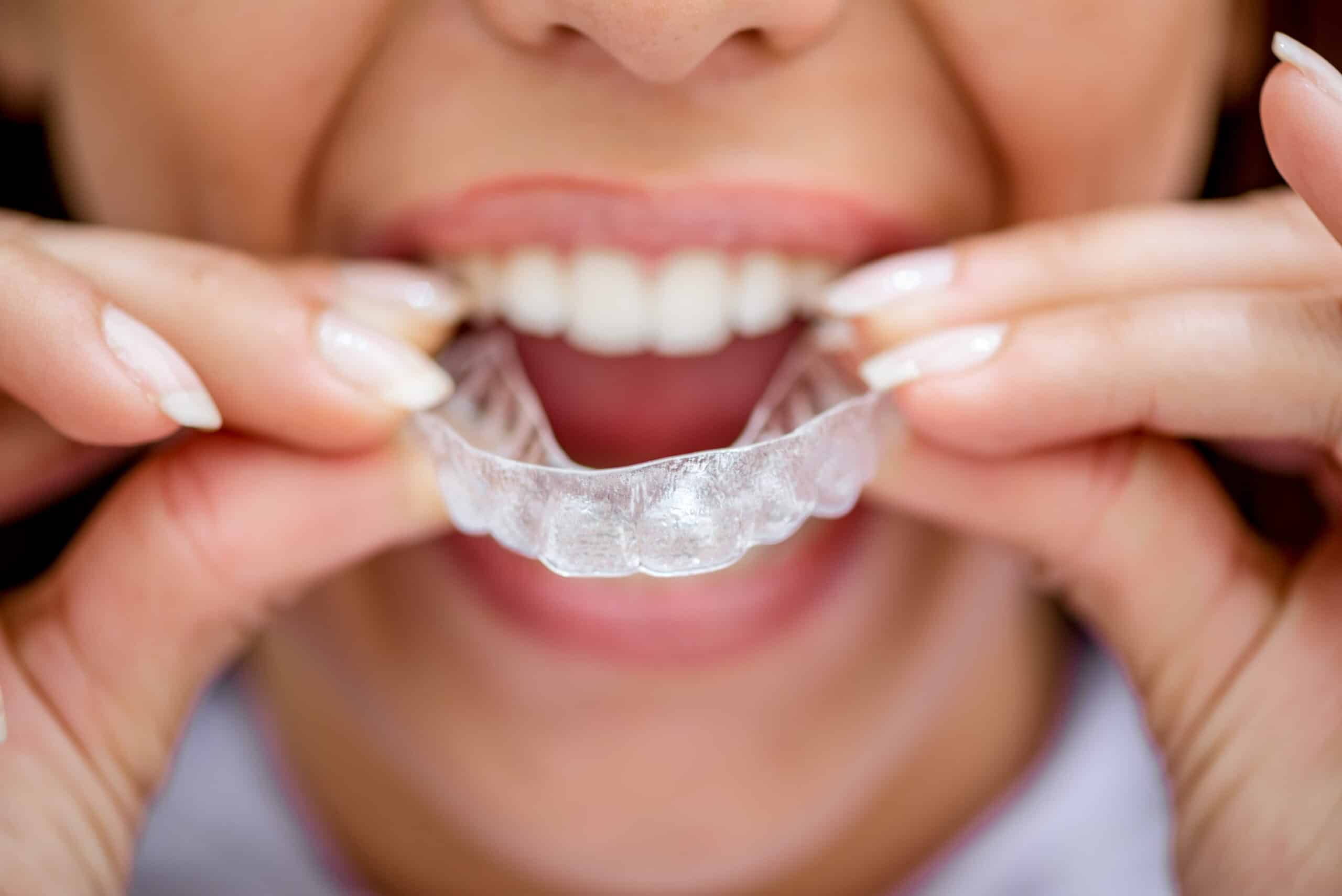
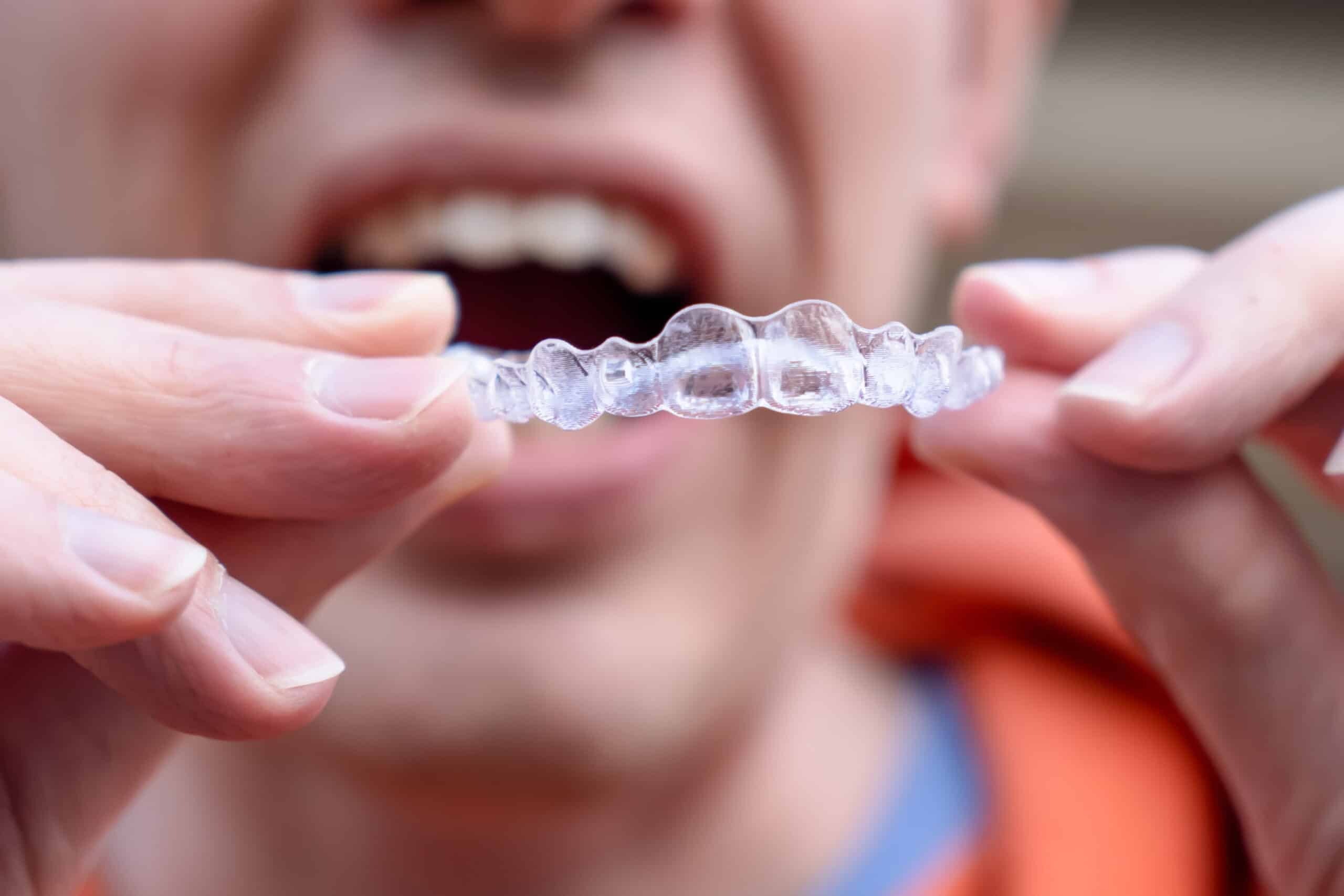
Clear retainers hold your teeth in place while remaining nearly invisible.
These retainers resemble Invisalign aligners but are designed for retention rather than tooth movement.
Advantages include:
-
Transparent appearance.
-
Easy removal for eating.
-
Simple cleaning.
When is a fixed retainer recommended?
A fixed retainer may be recommended when certain teeth have a higher risk of moving.
Bonded retainers often help stabilize lower front teeth because those teeth commonly experience relapse.
How should you care for your Invisalign retainer?
Daily cleaning helps your retainer stay clear, comfortable, and effective.
A simple routine can extend the life of your appliance.
-
Rinse it with lukewarm water after removal.
-
Clean it using a soft toothbrush and mild soap.
-
Store it in its protective case.
-
Keep it away from heat, including hot water and direct sunlight.
Avoid using abrasive toothpaste because it can scratch the plastic surface.
How often should an Invisalign retainer be replaced?
Most removable retainers need replacement periodically, depending on wear and care.
Replacement timing depends on several factors.
-
Daily wear habits.
-
Grinding or clenching.
-
Cleaning routine.
-
Material wear.
Your dentist will examine your retainer during routine visits and recommend replacement if it becomes cracked, warped, or loose.
Can you eat or drink while wearing your retainer?
Remove your retainer before eating and before drinking anything except water.
Food can damage the plastic, and colored drinks can stain it.
Remove your retainer before consuming:
-
Coffee.
-
Tea.
-
Soda.
-
Juice.
After eating, brush your teeth when possible before putting it back in.
Patients already familiar with aligner care often find this routine similar to their previous Invisalign habits. If you are still exploring whether clear aligners fit your needs, Visit our clinic, our dentists explain what to expect from treatment through retention.
Can a retainer fix teeth that have shifted?
A retainer may correct very minor movement, but significant shifting usually requires additional treatment.
Do not assume an old retainer will safely move your teeth back into place.
Your dentist may recommend:
-
A new retainer if alignment has changed slightly.
-
Additional aligners for moderate movement.
-
Further orthodontic evaluation for larger changes.
Early evaluation usually offers more options before shifting becomes more pronounced.
When should you contact your dentist about your retainer?
Schedule an appointment if your retainer breaks, no longer fits, or causes persistent discomfort.
Prompt evaluation helps protect your orthodontic results.
Contact your dentist if:
-
The retainer cracks.
-
It becomes loose.
-
It causes pain beyond mild initial pressure.
-
You lose it.
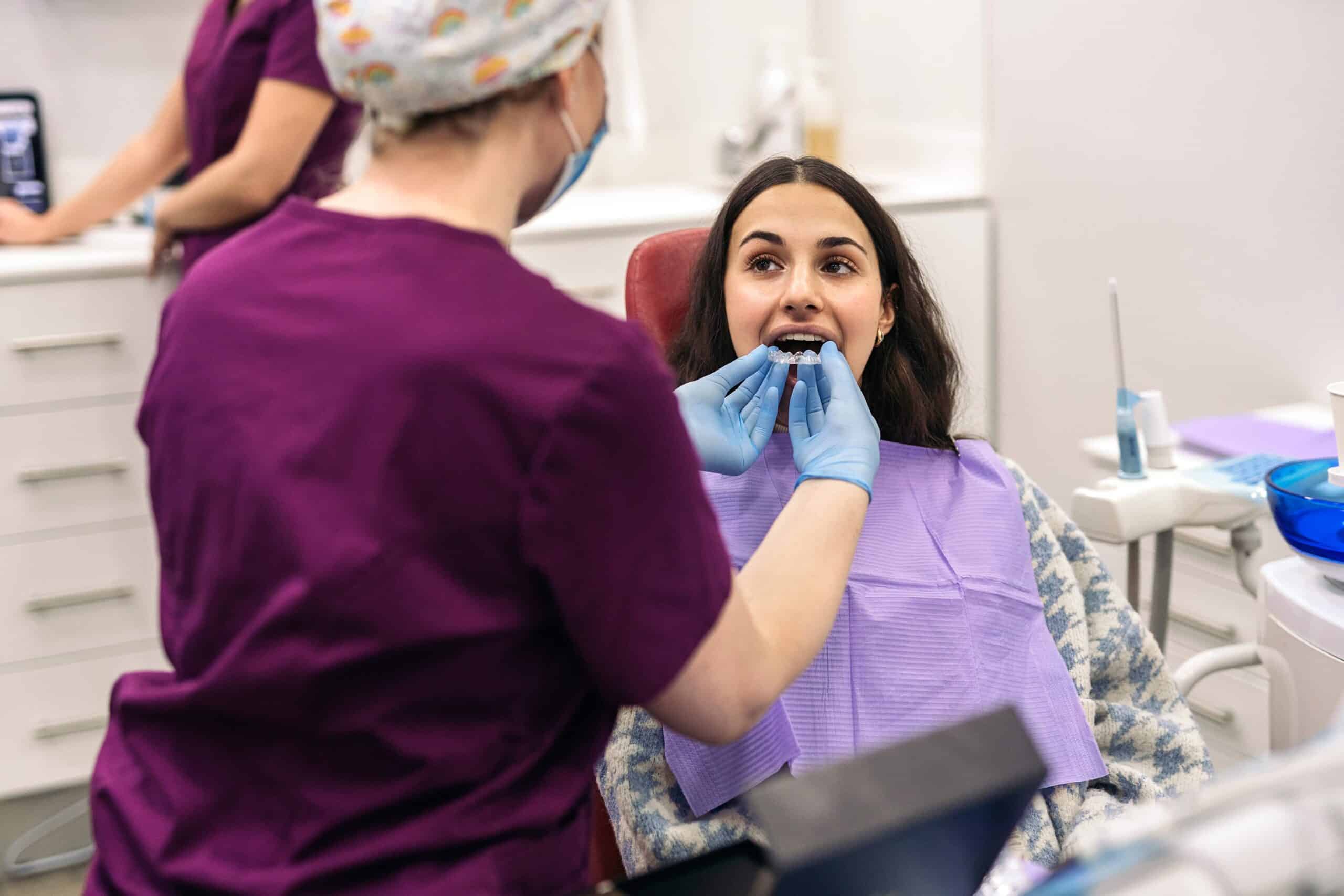
Patients receiving Invisalign Treatment at Riggs Family Dental Gilbert also benefit from ongoing follow-up visits that help ensure their retainers continue protecting their investment in a straighter smile.
Maintaining your Invisalign results depends on consistent retainer wear. Following your dentist’s instructions, cleaning your retainer daily, and replacing it when necessary can help preserve your smile for years.
FAQs
Do you have to wear a retainer forever after Invisalign?
Yes, most patients are advised to wear a retainer every night indefinitely to maintain alignment.
Can I skip wearing my retainer for one night?
Missing one night occasionally is less concerning than stopping altogether, but repeated skipped nights increase the risk of tooth movement.
How do I know if my retainer still fits?
A properly fitting retainer should feel snug without causing severe pain or leaving large gaps.
What should I do if I lose my Invisalign retainer?
Contact your dentist promptly to replace it before your teeth have time to shift.
Can I use my last Invisalign aligner instead of a retainer?
Your last aligner may serve as a temporary solution, but a purpose-made retainer is designed for long-term retention.