
Did your dentist place an implant, and you’re wondering what to eat without wrecking the healing? Or are you planning surgery and want a smart shopping list? Either way — welcome. This short guide will give you practical, research-backed food choices (and foods to skip), explain why they matter for healing, and point out concrete timelines so you can eat confidently. Let’s dig in.
Why diet matters after dental implants
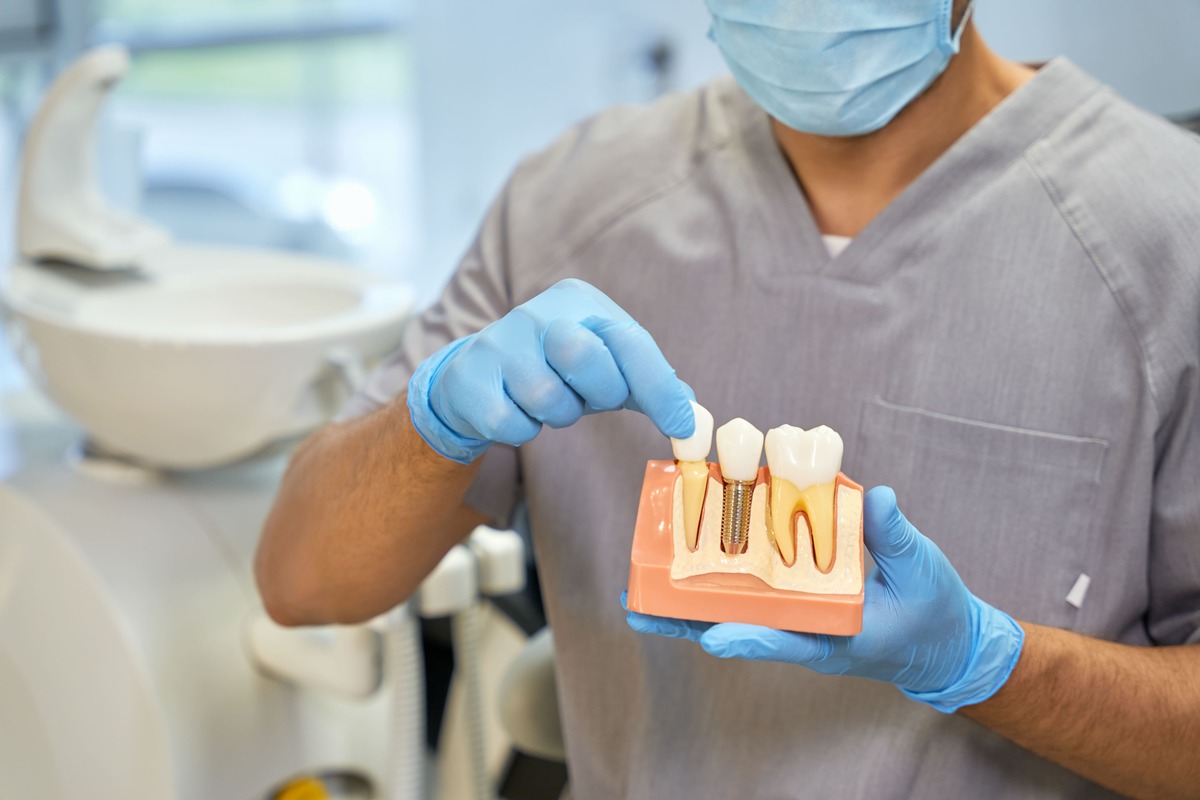
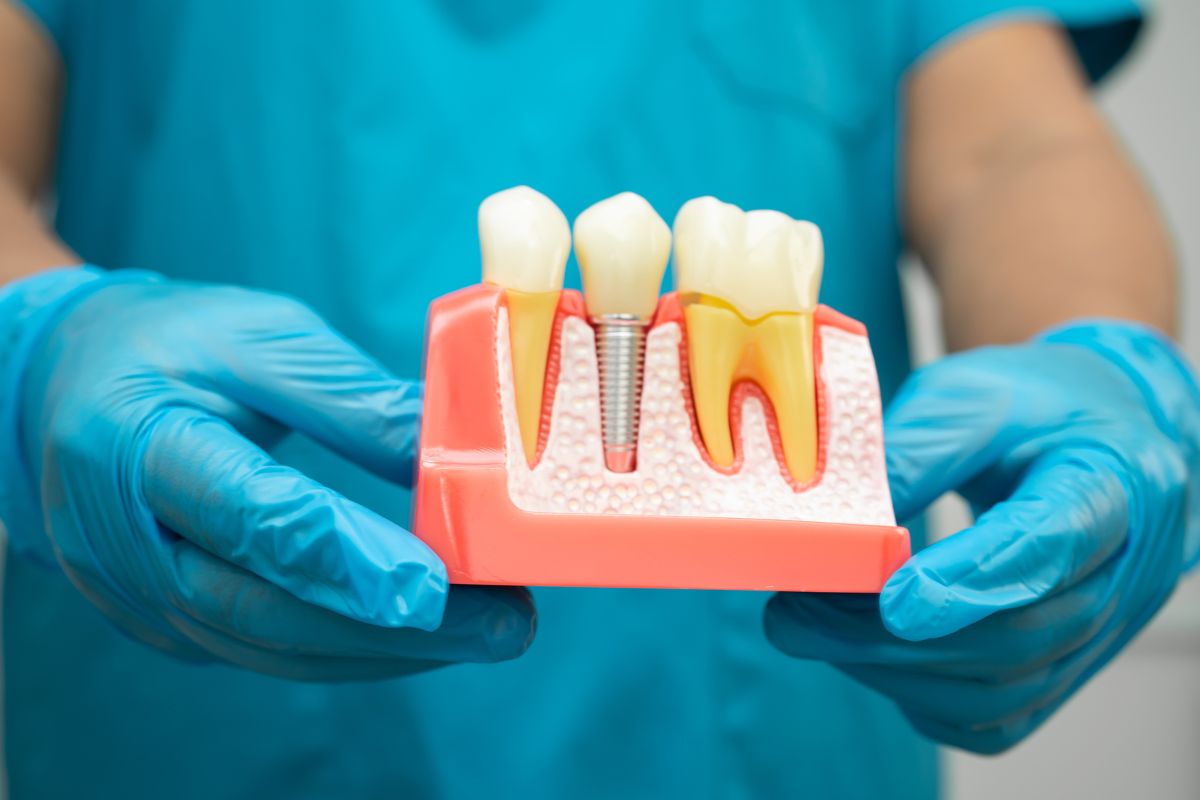
Dental implants heal by osseointegration — the implant fuses with your jawbone over weeks to months. Good nutrition reduces infection risk, supports tissue and bone repair, and helps you maintain energy while you’re sticking to softer foods. Dental implants have excellent long-term survival (commonly >90% at 10+ years), but postop behavior — including smoking, alcohol use, and poor nutrition — affects early healing and long-term success.
Healing timeline — how long you need to eat carefully
- First 24–48 hours: Mostly liquids and very soft, cool-to-lukewarm foods. Avoid hot temperatures that can increase bleeding/swelling.
- First week (days 3–7): “No-chew” or minimal-chew soft foods. Many clinicians recommend at least 5–7 days of soft foods; longer if you had bone grafting or multiple implants.
- 2–6 weeks: Gradually reintroduce softer solids; avoid heavy chewing on the implant side until your surgeon gives the OK. Complete osseointegration is a longer process (months), and you should avoid extreme stress on the implant until the final restoration is placed.
Best foods to eat (organized for easy shopping)
1) Liquids & very soft foods — Days 0–2
- Broth (chicken/vegetable/bone broth) — hydrating and easy to swallow. Bone broth also supplies collagen-building amino acids.
- Smoothies (no straw) — include protein powder or Greek yogurt, bananas, spinach (blended), and nut butter if tolerated. Note: don’t use a straw — suction can dislodge blood clots.
- Protein shakes / meal replacement drinks are useful if your appetite is low; choose lower-sugar options and ones with 15–30 g protein per serving.
2) Soft, nutrient-rich solids — Days 2–7
- Greek yogurt (plain) is high in protein (≈15–20 g per 6 oz), has probiotic support, and is easy on the gums.
- Scrambled or soft-boiled eggs — excellent, complete protein, and easy to chew.
- Mashed potatoes / sweet potatoes — comfort food plus calories and potassium; make them smooth.
- Oatmeal (soft-cooked) or cream of wheat — add mashed banana or protein powder to boost calories/protein.
3) Protein & mineral boosters — first 2+ weeks
- Flaked, soft fish (salmon, cod) — omega-3s to reduce inflammation and protein to repair tissues.
- Silken tofu — plant protein that’s soft and versatile.
- Pureed beans or lentil soups — plant protein and minerals (blend until smooth).
4) Fruits & veggies (soft or pureed)
- Applesauce, mashed banana, canned peaches (in juice) — vitamins without chewing.
- Steamed and pureed vegetables (carrot, squash, spinach) — micronutrients needed for collagen and bone repair.
5) Hydration & small extras
- Water, electrolyte broths, and herbal teas (lukewarm) — staying hydrated supports healing and saliva production (oral health). Mayo Clinic and surgical post-op guidance emphasize fluids and gentle temperature control.
Foods & behaviours to avoid (and why)
Immediately (first 1–2 weeks)
- No straws — suction can disturb clot formation and delay healing.
- Hot foods/drinks — heat can increase bleeding and swelling.
- Spicy foods may irritate soft tissue and cause discomfort.
Avoid for several weeks (or longer)
- Chewing hard, crunchy foods — nuts, hard bread/crust, chips — can stress implants and sutures.
- Sticky foods — caramels, chewing gum — can pull on healing tissues and trap food debris.
- Small seeds or popcorn particles can lodge in the surgical site and cause irritation or infection.
Avoid entirely until cleared by your clinician.
- Smoking — consistently linked to higher implant failure: smokers have a significantly higher risk (multiple meta-analyses show elevated failure rates and relative risk increases). Quitting before surgery and for weeks to months afterward significantly reduces complications.
- Heavy alcohol use — alcohol impairs wound healing and increases inflammation; studies link alcohol consumption with worse peri-implant outcomes. Avoid for at least several days (often 72+ hours) and longer if advised.
Nutrition tips to speed healing (what the research shows)
- Prioritize protein: adequate protein (1.0–1.5 g/kg/day for healing states in many guidelines) supplies amino acids for collagen and new tissue. If appetite is poor, use protein shakes, Greek yogurt, eggs, or soft tofu.
- Vitamins & minerals matter: Vitamin C supports collagen formation, vitamin D and calcium support bone health, and zinc supports wound repair. A balanced diet or clinician-recommended supplements can help if you’re deficient.
- Avoid high sugar: sugary drinks or desserts can encourage bacterial growth at the surgical site and increase infection risk.
Quick 7-day sample menu (easy swaps)
- Day 1 (after surgery): Clear broth, applesauce, water.
- Day 2: Smoothie (no straw) with Greek yogurt + banana + protein powder.
- Day 3: Scrambled eggs, mashed potatoes, lukewarm broth.
- Day 4–6: Soft fish or well-mashed lentil soup, steamed pureed veggies, yogurt.
- Day 7: Soft pasta (well-cooked), soft avocado mash, soft fruit cup.
(Always follow your qualified dentist in Chandler’s instructions—if they told you to extend a soft diet due to grafting, do that.)
The Bottom Line
Eating the right foods after dental implant surgery reduces swelling, prevents infection, and supplies your body’s building blocks to fuse bone to the implant. Stick to liquids and soft, protein-rich foods for the first few days, advance slowly over 1–2 weeks, and avoid smoking and heavy alcohol use — both are proven to increase failure risk. When in doubt, choose gentle, soft, nutrient-dense options and follow your surgeon’s specific timeline. Dental implants have high long-term success (>90% at 10+ years), but good postoperative habits — especially diet and avoiding tobacco/alcohol — make a measurable difference.
FAQs
Q: Can I use a straw for smoothies?
A: No — avoid straws for at least the first week (some clinicians advise longer). The suction can dislodge clotting and delay healing.
Q: When can I chew normally again?
A: Many patients can gradually reintroduce firmer foods after 1–2 weeks. However, complete chewing on the implant side is usually delayed until the final crown is placed or your surgeon confirms adequate healing (weeks to months, depending on the case).
Q: How long should I avoid alcohol and smoking?
A: Avoid alcohol for at least 72 hours (often longer if on meds), and nicotine should ideally be stopped before surgery and for several weeks afterwards — smoking significantly raises implant failure risk. Discuss a quit plan with your provider.
Q: My dentist recommended a bone graft—does that change the diet?
A: Bone grafting often requires a more extended soft-diet period and stricter post-op care. Follow your surgeon’s instructions closely.