
Are you tired of hiding your damaged teeth behind closed lips or feeling self-conscious when you smile? Dental crowns may be the solution to restore your confidence and improve your oral health. Whether it’s due to decay, injury or wear and tear, damaged teeth can cause pain, and discomfort and affect your ability to eat and speak normally. In this blog post, we’ll explore how dental crowns can save damaged teeth by providing a durable and natural-looking restoration that fits seamlessly with your existing teeth. Discover the benefits of dental crowns and how they can transform your smile today!
What are Dental Crowns?
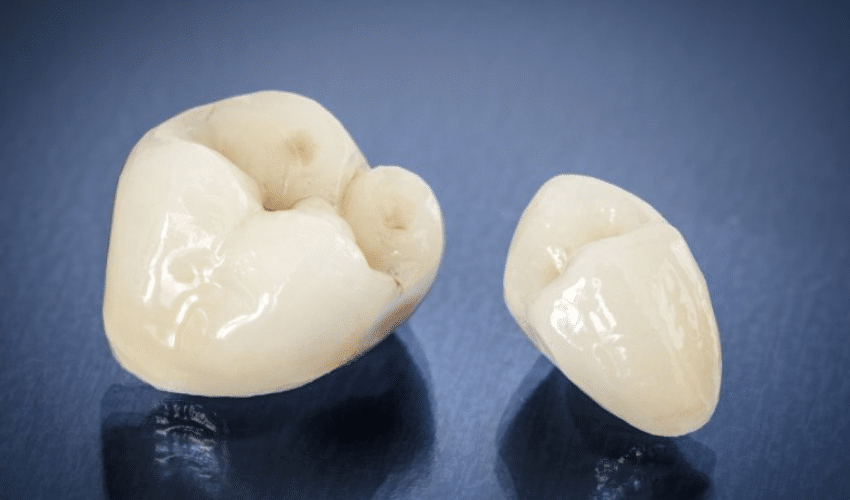
Dental crowns are an incredibly versatile tool that can be used to restore the function and appearance of a damaged tooth. While they are most commonly used to protect a tooth that has been damaged by decay or injury, they can also be used to support a tooth that has been cracked or broken. In addition, dental crowns can be used to improve the appearance of teeth that are misshapen or discolored.
There are two different types of dental crowns: those made from porcelain and those made from metal. Porcelain crowns are more realistic-looking than metal crowns, but they are also more expensive. Metal crowns are less expensive but may not look as natural. Your dentist will help you choose the type of dental crown that is right for you based on your needs and budget.
Once a dental crown is placed, it will need to be cared for just like your natural teeth. Be sure to brush and floss regularly and see your dentist for regular checkups and cleanings. With proper care, your dental crown can last for many years!
The Benefits of Dental Crowns
Dental crowns are one of the most popular dental treatments because they offer a range of benefits for patients. Crowns can be used to restore the function and appearance of damaged teeth, and they can also be used to improve the strength and stability of weak teeth. In addition, crowns can be used to protect teeth from further damage, and they can also be used to correct cosmetic imperfections.
There are many reasons why patients may choose to get dental crowns, but the most common reason is to restore damage to the teeth. Crowns can be used to cover up cracked or chipped teeth, and they can also be used to repair teeth that have been worn down by excessive use. In addition, crowns can be used to restore the function of damaged teeth by protecting them from further damage and providing support for the surrounding structures.
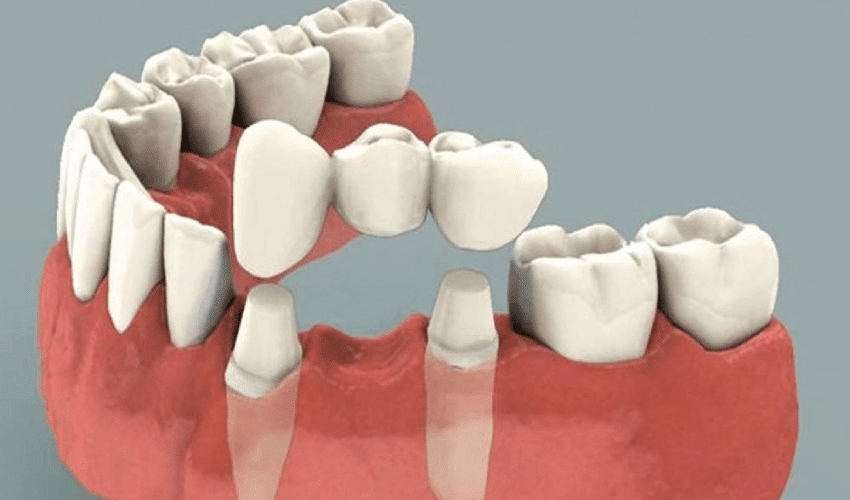
Another common reason why patients get dental crowns is to improve the strength and stability of their teeth. Crowns can be used to reinforce weak or fragile teeth, and they can also be used to provide support for dental implants. In addition, crowns can help patients who have lost one or more teeth by providing an artificial tooth replacement that looks and functions just like a natural tooth.
Finally, some patients choose to get dental crowns for cosmetic reasons. Crowns can be used to cover up discolored or misshapen teeth, and they can also be used to improve the alignment of the teeth. In addition, crown
Types of Dental Crowns
There are three main types of dental crowns: porcelain, ceramic, and metal. Porcelain and ceramic crowns are the most popular because they look more like natural teeth. Metal crowns are less popular because they are more visible.
Porcelain crowns are made from a mold of your tooth and then covered with a thin layer of porcelain. Ceramic crowns are made from a mold of your tooth and then covered with a thin layer of ceramic. Metal crowns are made from a mold of your tooth and then covered with a thin layer of metal.
Porcelain and ceramic crowns are more expensive than metal crowns, but they last longer. Metal crowns may need to be replaced every five years or so. Porcelain and ceramic crowns can last up to 10 years or more.
If you have a damaged tooth, your dentist will likely recommend a dental crown. Dental crowns can save damaged teeth and help restore them to their original shape and size.
The Process of Getting a Dental Crown
There are a few different ways that a dental crown can be placed on a tooth. The first way is called the traditional method, where the dentist will drill down into the tooth to remove any damaged or decayed tissue. They will then take an impression of the tooth and send it off to a laboratory to have the crown made. Once the crown is ready, the dentist will place it on the tooth and cement it in place.
The second method is called the Cerec method. With this method, the dentist will use a CAD/CAM machine to take an impression of the tooth and then create the crown right in their office. This means that you can get your crown in one visit!
Once your crown is placed, you will need to care for it just like you would your regular teeth. That means brushing and flossing regularly and seeing your dentist for regular checkups.
Alternatives to Dental Crowns
When a tooth is damaged, a dental crown can help to restore it. However, there are some alternative treatments that may be recommended by your dentist, depending on the severity of the damage.
If the damage is not too severe, your dentist may recommend bonding or veneers. Bonding involves using a tooth-colored resin to build up the damaged area of the tooth. Veneers are thin shells that are placed over the front surface of the tooth.
If the damage is more severe, your dentist may recommend an implant. An implant is a metal post that is placed in the jawbone and topped with a replacement tooth.
Dental crowns are a great way to save damaged teeth and protect them from further damage. They also help keep your mouth healthy by restoring the functionality of the tooth. If you have a cracked, broken, or decayed tooth, then getting a dental crown is the best option for fixing it. Talk to your dentist today about whether or not you may benefit from getting a dental crown and start protecting your smile!