

Dental implants have become a popular and effective solution for individuals facing tooth loss. Whether you’re missing a single tooth or several, dental implants offer a long-lasting and natural-looking replacement. To ensure the success and longevity of your dental implants, proper care and maintenance are crucial. In this comprehensive guide, we’ll delve into the essential aspects of long-lasting dental implant care, with a focus on maintaining optimal oral health.
Definition of Dental Implants
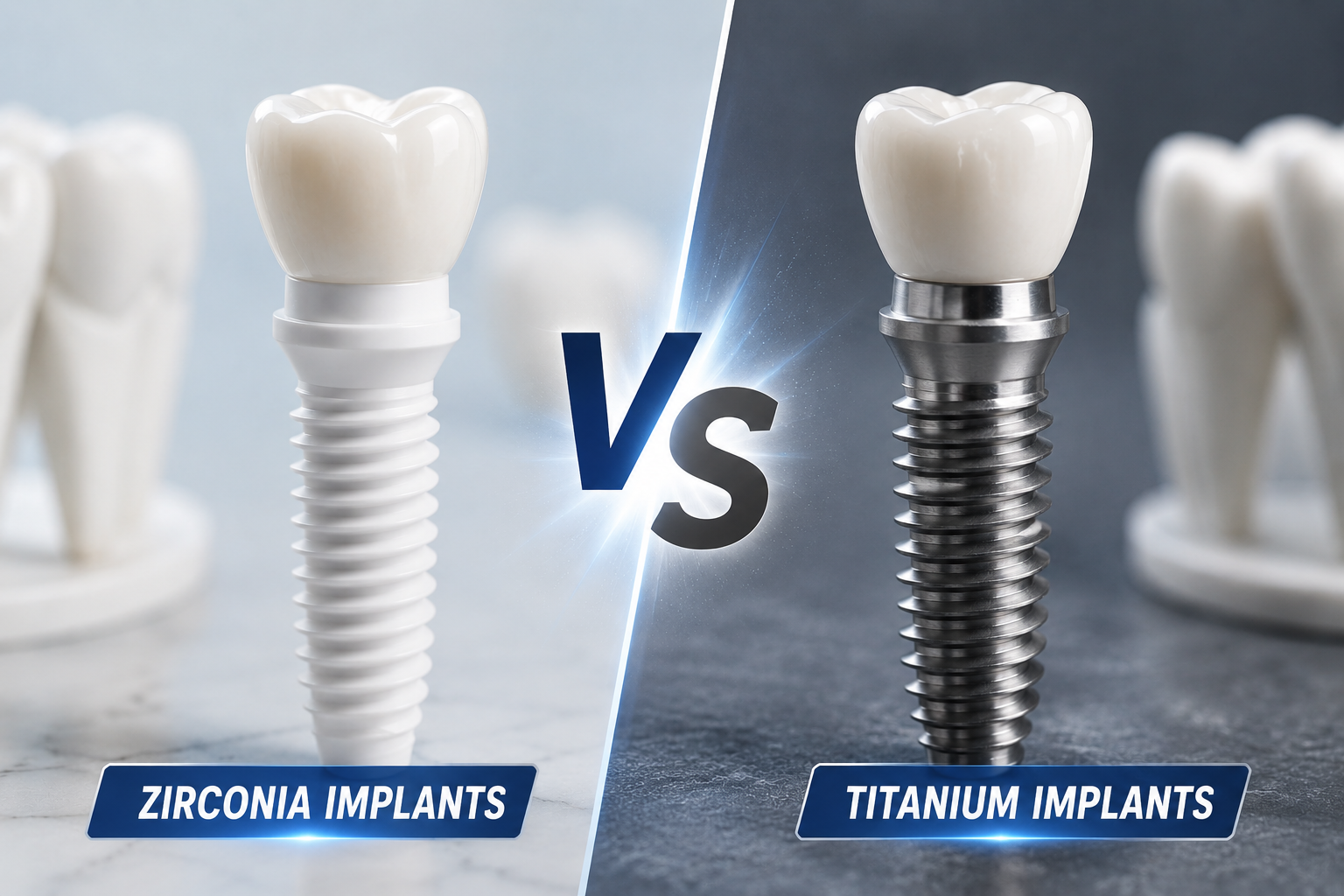
Dental implants are artificial tooth roots made of titanium that are surgically placed into the jawbone. Once implanted, they fuse with the natural bone, providing a stable foundation for replacement teeth such as crowns, bridges, or dentures. This process, known as osseointegration, is crucial for the success of dental implants.
Key Considerations When Choosing a Dentist
1. Experience with Dental Implants: Look for a dentist with a proven track record in implant dentistry. Experience matters when it comes to performing precise and successful implant surgeries.
2. Patient Reviews and Testimonials: Read reviews and testimonials from other patients who have undergone dental implant procedures with the dentist. Positive feedback can provide insight into the dentist’s skills and patient satisfaction.
3. Technology and Facilities: Ensure that the dental clinic is equipped with modern technology for accurate diagnostics and treatment planning. Advanced equipment contributes to the overall success of dental implant procedures.
4. Credentials and Certifications: Verify the dentist’s credentials and certifications. Board-certified dentists often have additional training and expertise in implant dentistry.
Post-Implant Surgery Care
Once you’ve chosen a qualified dentist and undergone implant surgery, proper care during the recovery period is crucial. Following your dentist’s post-operative instructions will contribute significantly to the success of the implants.
Immediate Care After Surgery
1. Manage Discomfort: It’s normal to experience some discomfort after the surgery. Your dentist may prescribe pain medications or recommend over-the-counter pain relievers to manage pain and swelling.
2. Oral Hygiene Practices: Maintain good oral hygiene by following your dentist’s instructions for gentle brushing and rinsing. Avoid disturbing the surgical site during the initial healing phase.
3. Dietary Restrictions: Stick to a soft-food diet during the initial days after surgery. Avoid hard, crunchy, or sticky foods that may disrupt the healing process.
Long-Term Dental Implant Care
1. Regular Dental Check-ups: Schedule regular check-ups with your dentist to monitor the condition of your dental implants and overall oral health. These visits allow for early detection and treatment of any potential issues.
2. Professional Cleanings: Professional cleanings are essential to prevent plaque and tartar buildup around the implants. Your dental hygienist will use specialized tools to clean areas that may be challenging to reach with regular brushing and flossing.
3. Home Oral Care Routine: Maintain a consistent oral care routine at home, including brushing at least twice a day and flossing daily. Use a soft-bristle toothbrush and non-abrasive toothpaste to protect the implant and surrounding tissues.
Common Issues and Troubleshooting
Even with proper care, issues may arise with dental implants. Knowing how to identify and address these problems promptly can prevent complications.
Signs of Potential Issues
1. Pain or Discomfort: Persistent pain or discomfort around the implant site may indicate an issue. It could be a sign of infection or inflammation.
2. Swelling or Redness: Swelling and redness in the gums around the implant are signs of inflammation. This could be a reaction to bacteria or an indication of poor oral hygiene.
3. Loose or Shifting Implant: If you notice any movement or loosening of the implant, contact your dentist immediately. This could be a sign of implant failure or poor integration.
Troubleshooting Tips
1. Maintain Good Oral Hygiene: Step up your oral hygiene routine if you notice any signs of inflammation. Proper brushing and flossing can help control bacterial growth.
2. Contact Your Dentist: Don’t hesitate to reach out to your dentist if you experience persistent pain, swelling, or any issues with your implants. Early intervention is key to resolving problems.
3. Avoid Self-Treatment: Refrain from attempting to fix issues on your own. DIY solutions can worsen the situation. Trust your dentist to provide appropriate care and guidance.
Lifestyle Factors Impacting Dental Implants
Certain lifestyle factors can affect the longevity of dental implants. Being aware of these factors and making informed choices will contribute to the overall success of your implant journey.
1. Smoking and Tobacco Use
Smoking and tobacco use can significantly increase the risk of implant failure. The chemicals in tobacco can interfere with the healing process and compromise the integration of the implant with the jawbone. If you’re a smoker, consider quitting or at least reducing tobacco use for better implant outcomes.
2. Diet and Nutrition
A well-balanced diet rich in essential nutrients contributes to overall oral health. Adequate intake of vitamins and minerals, especially calcium and vitamin D, supports bone health and promotes successful osseointegration. Consult with your dentist or a nutritionist for personalized dietary recommendations.
3. Bruxism (Teeth Grinding)
Bruxism, or teeth grinding, can exert excessive force on dental implants, leading to complications. If you grind your teeth, your dentist may recommend a night guard to protect both natural teeth and implants. Addressing bruxism is crucial for the longevity of your dental implants.
Dental implants offer a life-changing solution for individuals with missing teeth, providing a natural-looking and durable replacement. By choosing the right Chandler dentist, following post-operative care instructions, and maintaining a proactive approach to oral hygiene, you can enjoy the benefits of long-lasting dental implants. Regular check-ups, professional cleanings, and a healthy lifestyle contribute to the success and sustainability of your dental implant investment. Remember, your smile is an investment in your confidence and well-being – prioritize its care for a lifetime of smiles.