

Losing teeth can be a challenging experience. It can impact your confidence, chewing ability, and overall oral health. Fortunately, there are several options to replace missing teeth. Two popular choices are partial dentures and dental implants.
Let’s explore the differences between these two solutions to help you determine which one is right for you
Partial Dentures: A Removable Solution
Partial dentures are removable appliances that replace multiple missing teeth. They consist of artificial teeth attached to a gum-colored base. Partial dentures are typically held in place by metal clasps that fit over your existing teeth. While they are a cost-effective option, partial dentures have some drawbacks. They can be uncomfortable, affect your speech, and require regular adjustments. Additionally, they don’t stimulate the jawbone like natural teeth, leading to bone loss over time.
Q: How long do partial dentures last?
Partial dentures typically last for about five to seven years with proper care. However, with normal wear and tear, they may need to be relined or replaced.
Dental Implants: A Permanent Solution
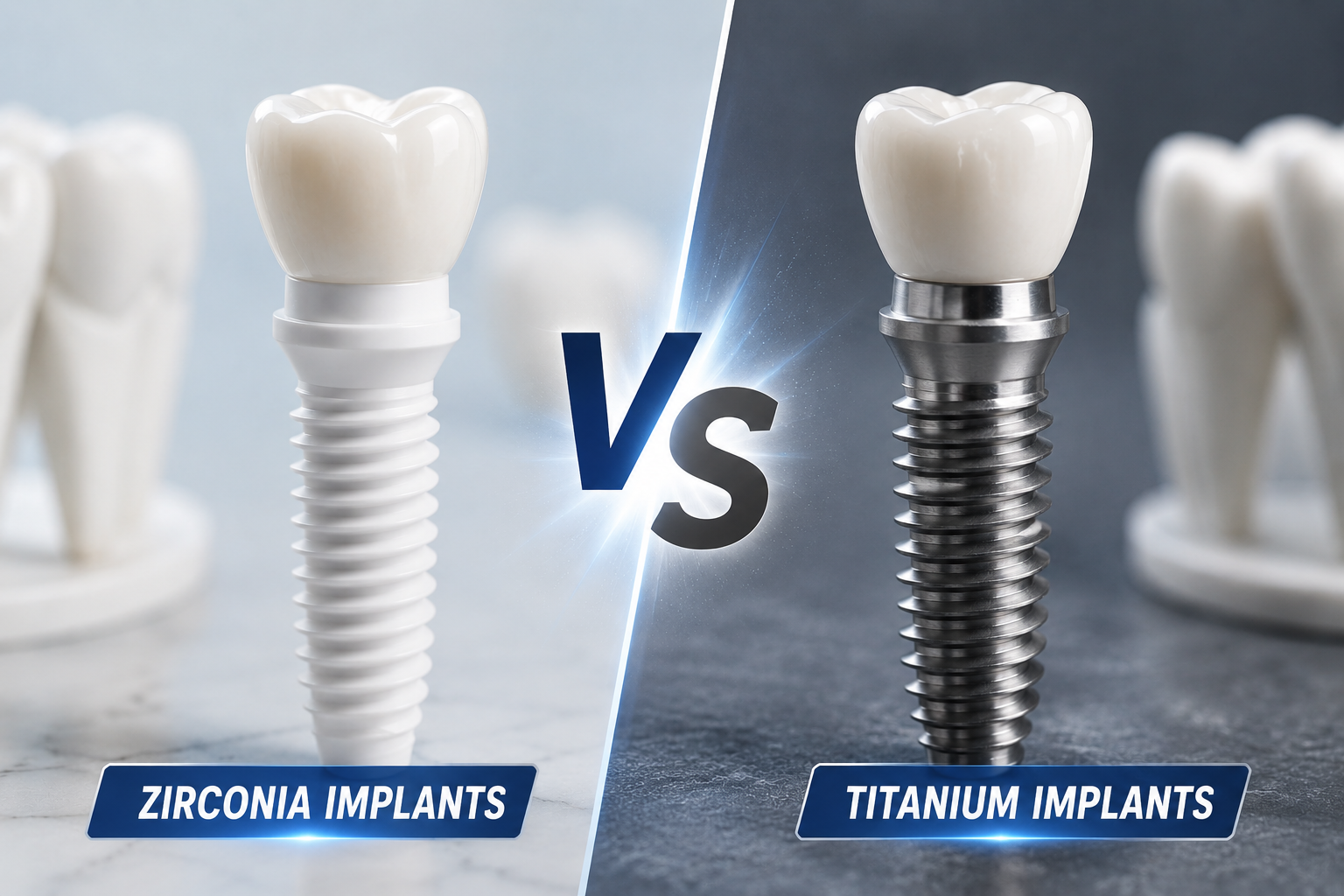
Dental implants are a more permanent solution for missing teeth. They involve surgically placing titanium posts into the jawbone, which then fuse with the bone over time. Artificial teeth are attached to these implants, creating a natural-looking and functional replacement for your missing teeth. Dental implants offer several advantages over partial dentures. They feel and function like natural teeth, improving your bite and speech. Implants also help preserve jawbone density, preventing facial sagging. However, dental implants are a more involved and expensive procedure than partial dentures.
Q: Are dental implants painful?
The implant placement surgery involves local anesthesia so that you won’t feel pain during the procedure. Some discomfort may be experienced after the surgery, but it can be managed with over-the-counter pain relievers.
Q: How long does the dental implant process take?
The entire dental implant process can take several months. This includes the initial consultation, where your dentist will assess your oral health and discuss your treatment plan, the surgery to place the implants, a healing period of a few months while the implants fuse with your jawbone, and the placement of the final restoration, which is the artificial tooth or teeth that will be attached to the implants.
Q: What is the cost difference between partial dentures and dental implants?
While partial dentures are generally more affordable upfront, dental implants are a long-term investment. When making a decision, it’s essential to consider the overall cost, including potential future repairs or replacements for partial dentures.
Choosing between partial dentures and dental implants depends on various factors, including the number of missing teeth, your overall oral health, and your budget. It’s essential to consult with a qualified dentist, who can evaluate your oral health, explain the pros and cons of each treatment, and help you make an informed decision. A dentist, for example, can provide personalized advice based on your specific needs and circumstances.
Remember, the best way to find the right solution is to consult a dental professional. A qualified dentist can assess your needs and recommend the most suitable treatment plan.