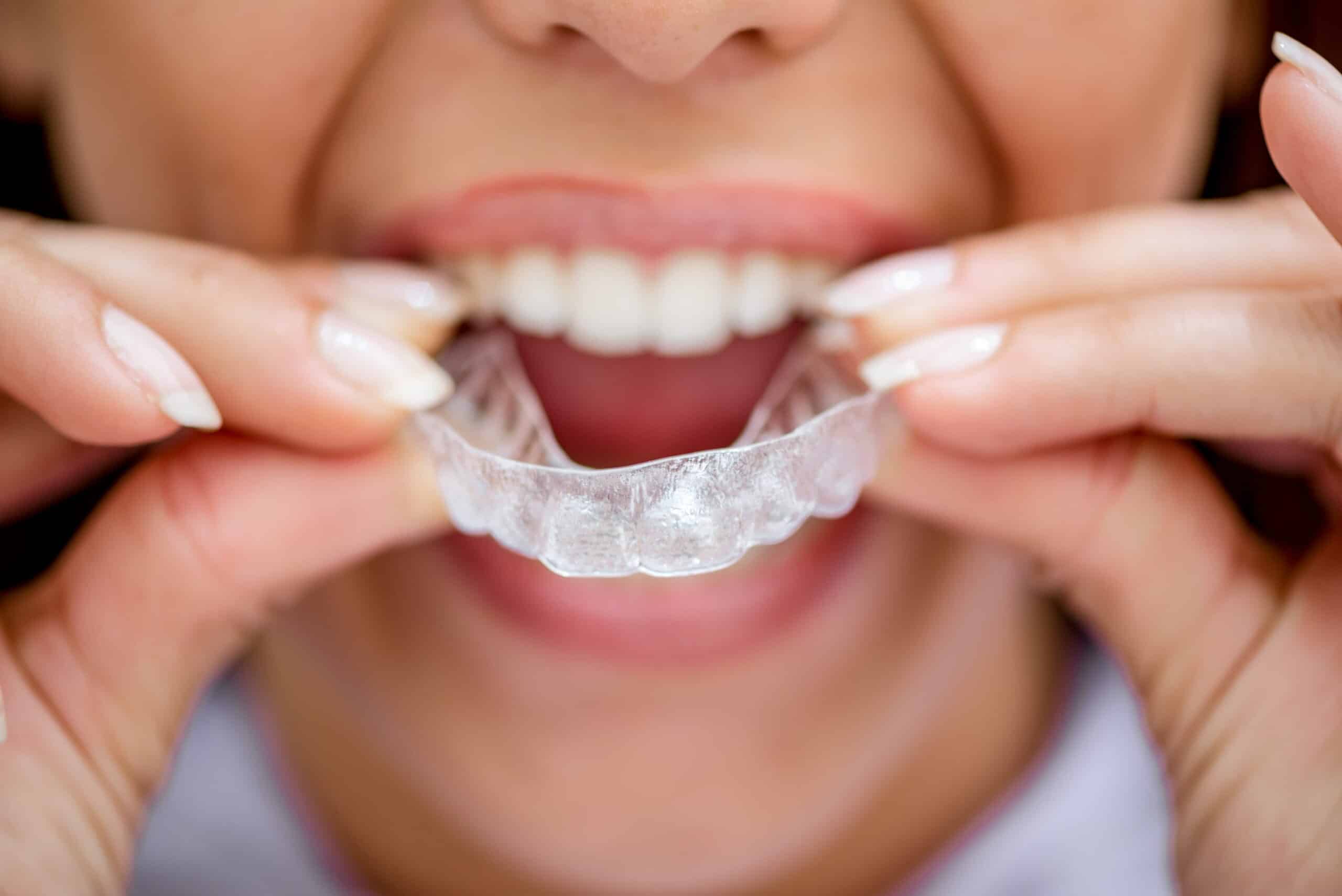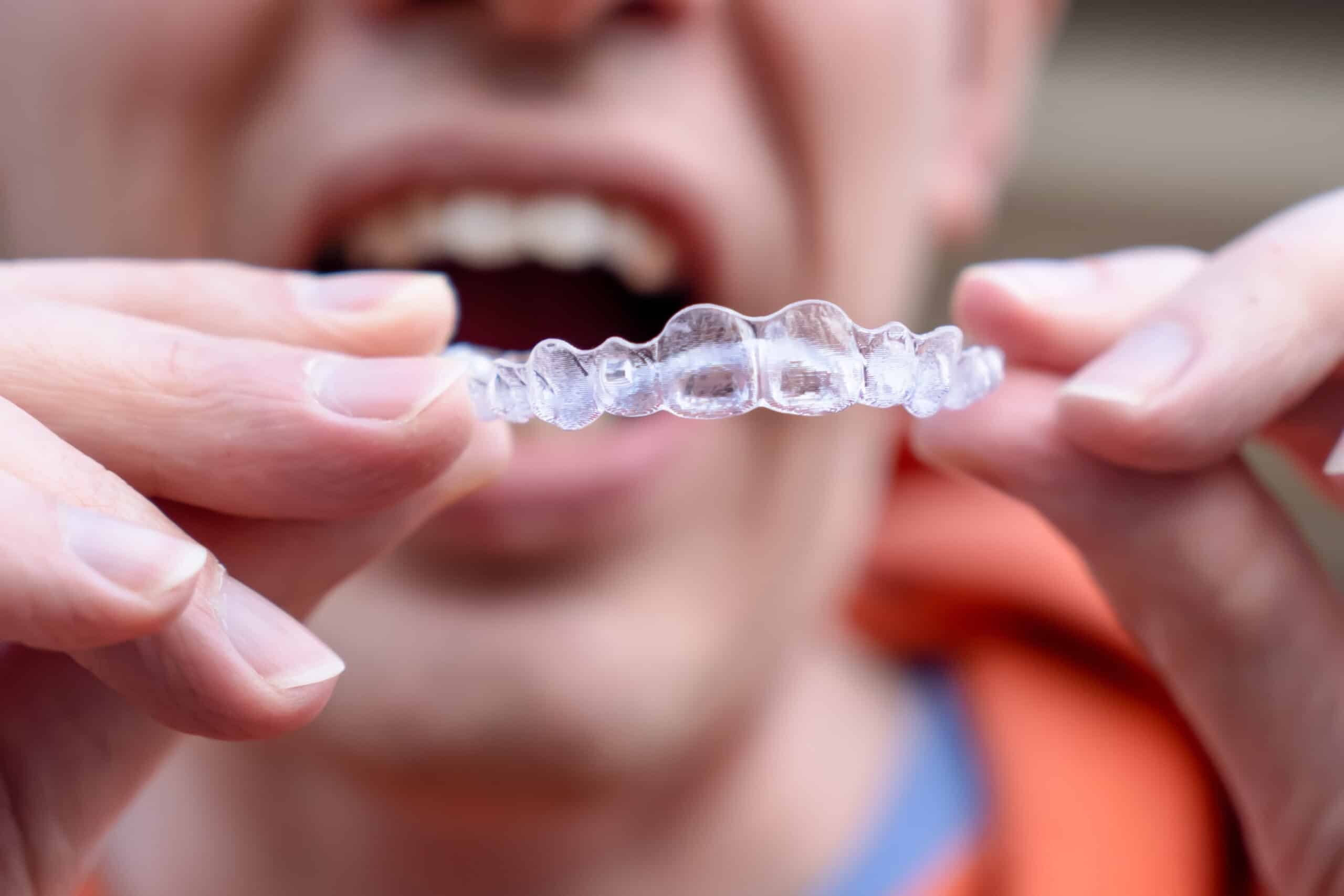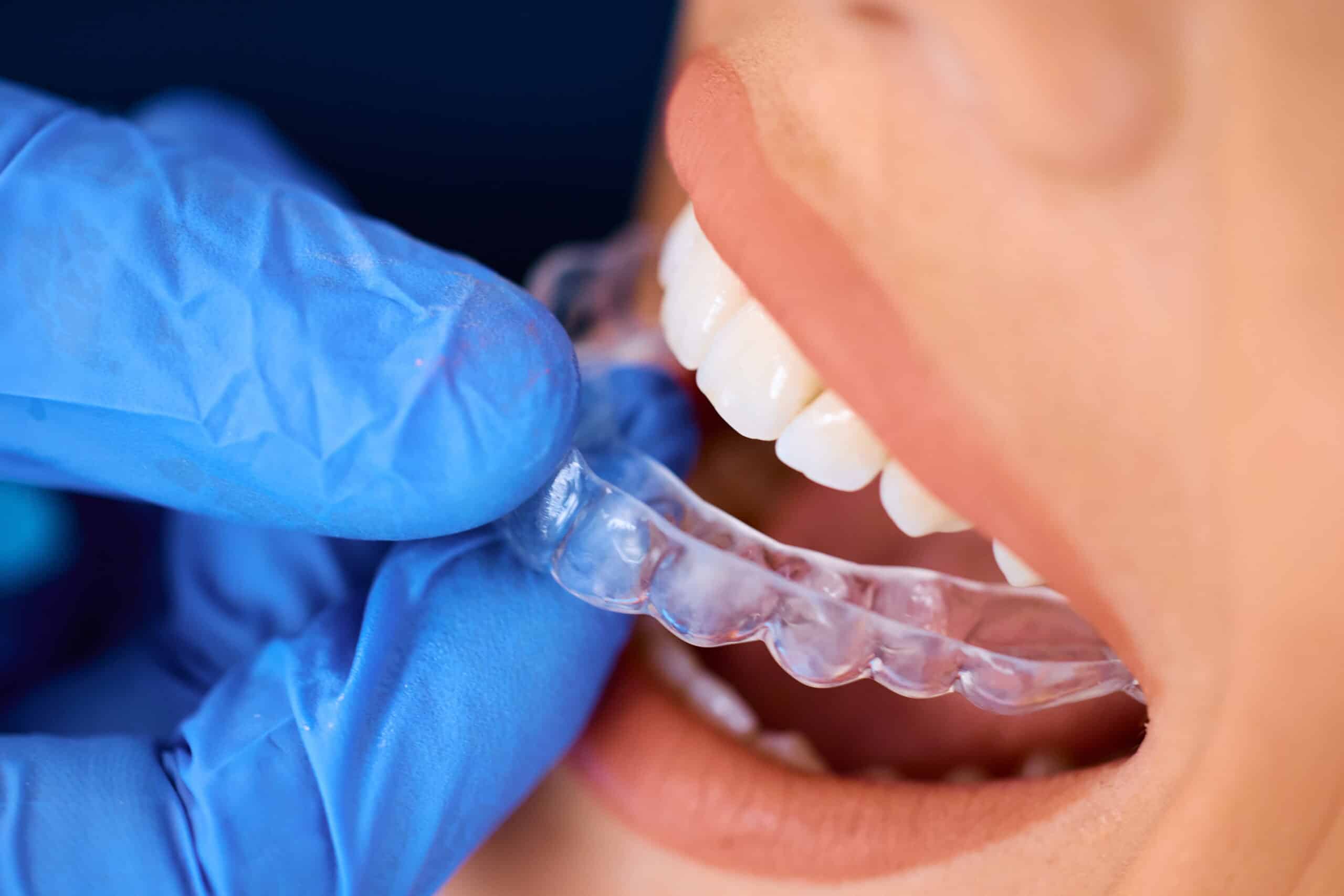


Let’s be real—old-fashioned metal braces can make you uncomfortable, especially as an adult. That’s where Invisalign comes in, providing a clear, unobtrusive, and more convenient method for aligning your teeth. If you’ve been considering enhancing your smile but are unsure if Invisalign is the way to go, this guide will take you through what is most important.
Invisalign isn’t just about looks; it’s also about comfort, lifestyle fit, and your unique dental structure. The good news is that many people qualify, especially those with mild to moderate alignment issues. Before deciding, it’s essential to understand what makes someone a good candidate.
Suppose you are searching for Invisalign Treatment in Chandler, AZ, or considering clear aligner options. In that case, this blog provides a warm and personalized guide to assist you in deciding with confidence.
When Invisalign is More Than Just a Straight Smile
Straight teeth make you more confident, but it’s not just about looks. Properly aligned teeth can function better, lower your chance of decay, and even alleviate problems like jaw pain or trouble chewing. Invisalign restores balance to your bite while making it easier to take care of your teeth. Sure, it’s cosmetic—but it’s also strongly functional.
Are You a Good Fit for Invisalign Clear Aligners?
Knowing who a good candidate for Invisalign is is the first step toward making the perfect decision for your smile. Below, we deconstruct the main factors that qualify you as a candidate, from bite issues and age to your level of commitment.
Who’s a Good Candidate for Invisalign?
Mild to Moderate Alignment Problems
Invisalign works best if your alignment issues are due to crooked teeth, crowding, gaps, overbites, or underbites, not because of major jaw structure problems. If your misalignment is caused by jaw positioning, fixed braces may be a better choice. A Dentist in Chandler, AZ, can perform a detailed evaluation to determine the root cause of your alignment issues.
Who is not suitable for Invisalign?
Individuals with serious bite problems due to jawbone shape or those who refuse to wear aligners for the required hours are likely not ideal candidates. Conventional braces or other orthodontic procedures might prove more effective in this situation.
Patient’s Age
Invisalign is ideal mainly for teenagers 13+ years old and adults. Children who are still growing are generally best treated with conventional braces, particularly since their jaws and teeth are still moving.
What Chandler Parents Should Know About Clear Aligners
Parents wonder if Invisalign is a good option for their teenagers. If your teen has all their permanent teeth except wisdom teeth and is disciplined enough to wear aligners daily, Invisalign might be an excellent option. But with it, unlike braces, there’s no safety net. So your teen must know how critical their part is in seeing results.
What is the ideal age for Invisalign?
Teens 13 and above with their permanent teeth fully erupted are usually good candidates. Adults of all ages can also use Invisalign.
“I Don’t Know If I’m Disciplined Enough for Invisalign!”
That’s a valid question—and one we get asked a lot. Wearing Invisalign aligners means spending 20–22 hours a day wearing them. If you’re not sure if you can commit to that, we’ll sit down with you to discuss your daily routine so that you can make an informed choice. Relax—we’re never going to pressure you into committing to something. We’re here to advise, not coerce.
Invisalign vs. Traditional Braces: Which is Right for You?
Both have advantages and disadvantages. Invisalign is almost invisible, can be removed, and is usually more comfortable. However, regular braces are preferable for serious alignment issues or patients who do not reliably wear their aligners. We’ll review both with you during your consultation so you feel good about your decision.
What Won’t Invisalign Fix?
While Invisalign is amazingly effective, it’s not always the answer to every orthodontic problem. Severe jaw misalignment, significant bite corrections, or complicated cases including rotations and wider gaps might still need braces or surgery. We’ll make a comprehensive evaluation to equip you better to know your individual needs.
Will Invisalign fix all bite problems?
No, Invisalign is best suited for mild to moderate overbites, underbites, and crossbites. Severe skeletal issues might require other remedies.
Can Invisalign Correct My Overbite/Underbite/Crossbite?
In many cases, yes. Invisalign works well for mild to moderate versions of these bite issues. The clear aligners apply targeted pressure to move your teeth into better positions over time. However, we’ll first determine whether the problem is dental (tooth-related) or skeletal (jaw-related). That will help us know what path works best.
Why Healthy Gums and Teeth are Key for Invisalign Success
Before beginning Invisalign, your teeth and gums must be healthy. Any existing cavities or gum disease can disrupt your treatment outcome. That’s why we perform a complete dental examination before initiating Invisalign. A healthy start equals a successful finish.
Invisalign and Dental Work
Invisalign may still be possible if you’ve had crowns, bridges, or veneers. It simply has to do with how those restorations impact the movement of the teeth. We at Riggs Family Dental review your current dental work to determine if Invisalign will interfere with what’s already been completed.
Can you have crowns or bridges with Invisalign?
In most instances, yes—but it’s dependent upon how many you have and where they are. A custom assessment is essential.
A Step-by-Step Tour of Treatment at Riggs Family Dental
Curious about what the experience is like? Here’s what you can anticipate:
- Consultation: We assess your smile and talk about your needs.
- Digital Scans: No yucky impressions! We map out your treatment with 3D imaging.
- Custom Plan: Your aligners are customized to fit your special smile path.
- Aligner Wear: You’ll have a set of trays, changing every 1–2 weeks.
- Check-ins: We’ll have you in for regular check-ins to track progress.
- Retainers: Once treatment is complete, we will give you retainers to keep track of your results.
What is the process for getting Invisalign?
It starts with a consultation and 3D scan. Then you’ll receive a series of custom aligners and wear them as directed until your teeth shift into place.
Is It Ever Too Late to Straighten Your Teeth?
Not at all. More adults than ever are opting for Invisalign. Whether in your 30s, 50s, or 70s, there’s no cut-off for wanting to feel confident about your smile. And with the subtlety of clear aligners, you’ll never worry about being “too old” for orthodontic treatment.
Your First Step to an Invisalign Smile
If you’re committed to enhancing your smile and desire a solution that fits into your life, Invisalign might be for you. We’ll assist you in weighing the benefits, analyzing the challenges, and constructing a clear plan toward your perfect smile.
If you’re looking for a dentist near 85249, Riggs Family Dental in Chandler, AZ, will provide you with clarity, experience, and a personal touch.
Are You Ready for Invisalign?
Only one way to know: speak with us. Maybe you’ll be a perfect match, or perhaps there’s a better course of treatment specific to your situation. Either way, we’ll provide candid, expert advice so you can proceed confidently.
Chandler Dentists like us understand that your smile is not merely about looks—it’s about being comfortable, healthy, and confident. Call (480) 566-8349 Schedule your Invisalign appointment today, and let’s discuss what the future of your smile will look like.