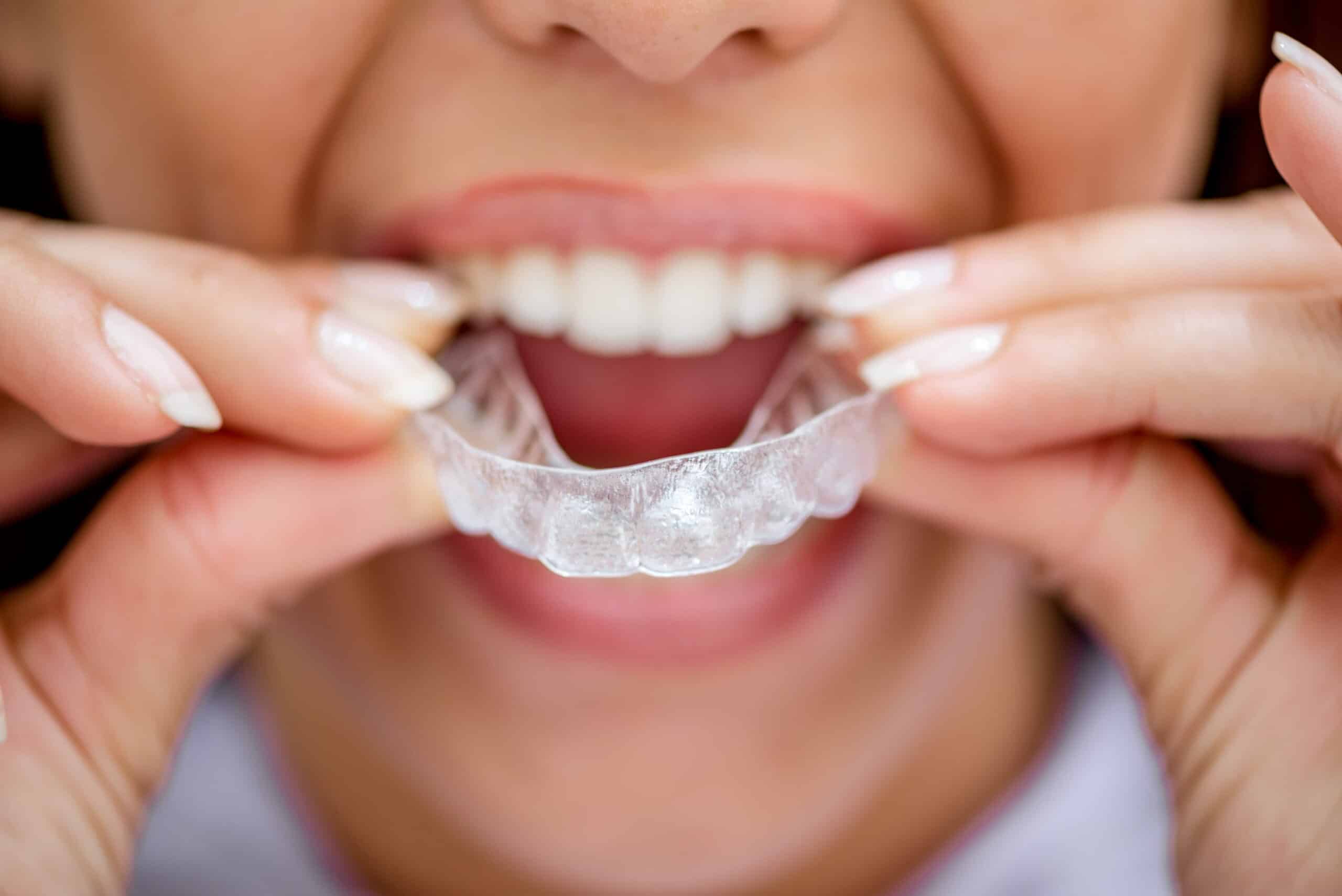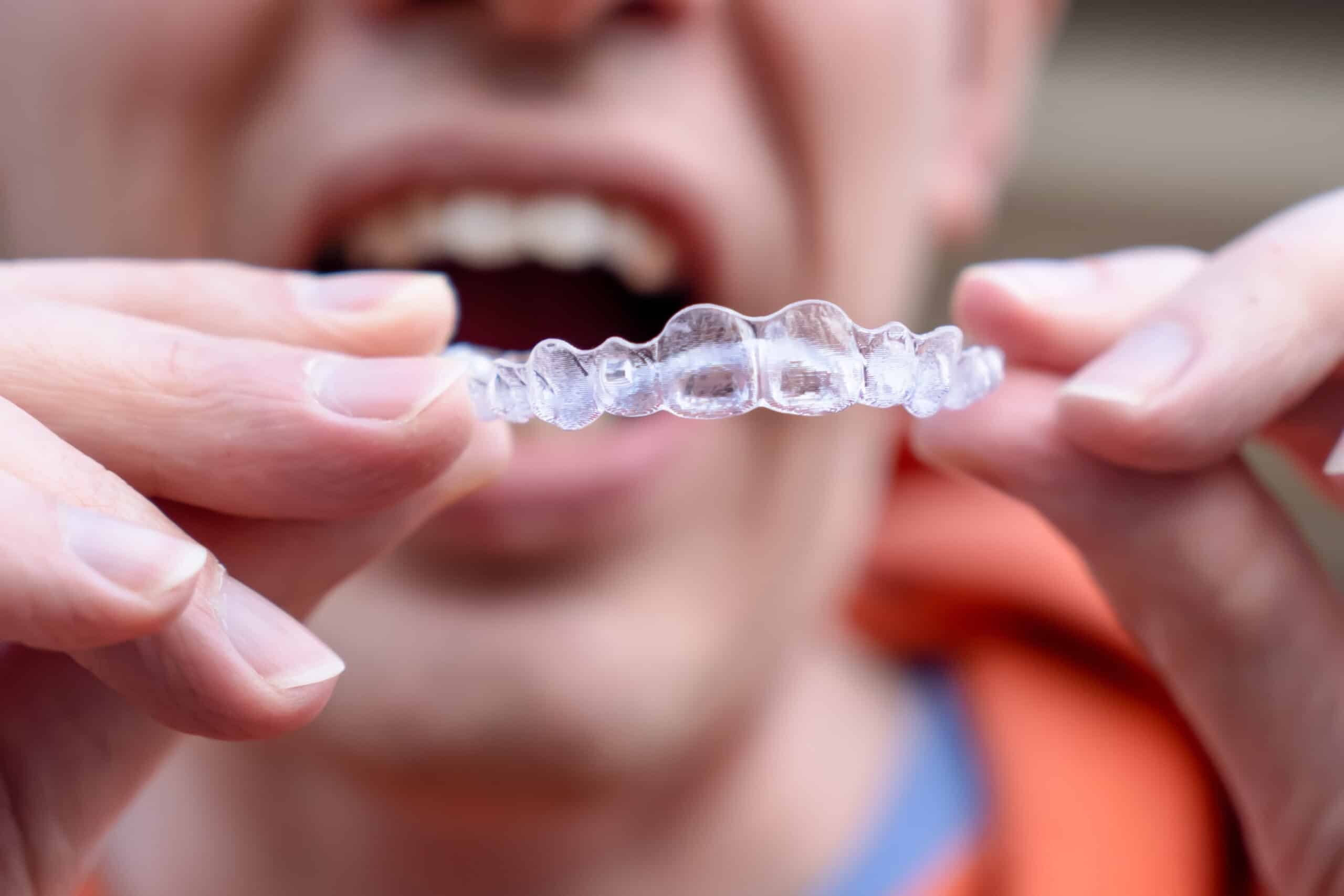

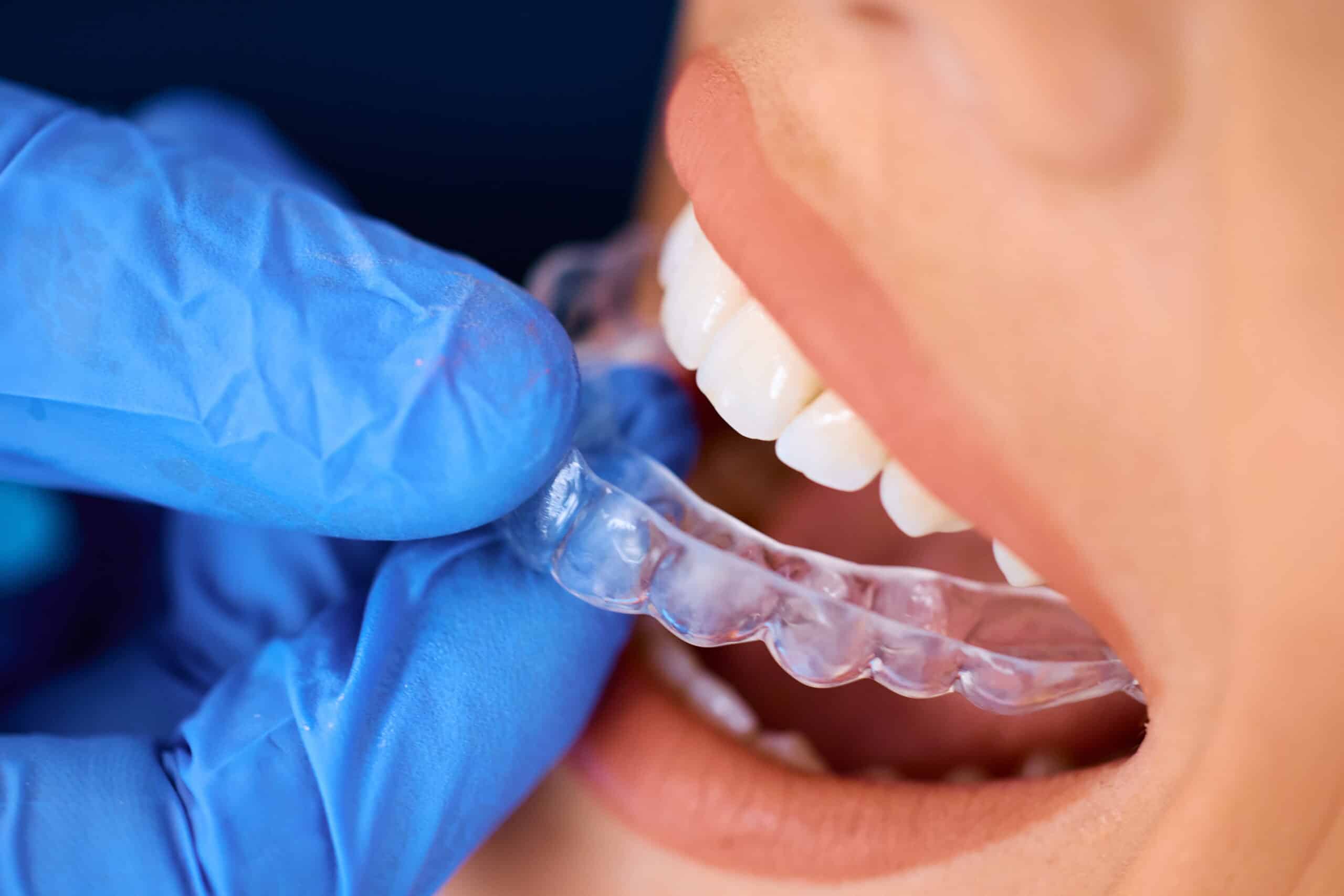
If your smile has never quite matched the picture in your head, you’ve probably typed “am I a good candidate for Invisalign” into Google more than once. It’s one of the most common questions patients bring up before they ever sit in a dental chair, and for good reason. Clear aligners have changed the way people approach Invisalign treatment in Chandler, offering a straighter smile without the metal, wires, or lifestyle restrictions of traditional braces. But not every smile is the same, and not every case is a straightforward fit. The good news is that most adults and teens turn out to be excellent candidates once a dentist actually looks at what’s going on in their mouth.
Quick answer: Good Invisalign candidates typically have mild to moderate crowding, spacing, or bite issues, healthy gums and teeth, and the discipline to wear aligners 20-22 hours a day. Severe bite discrepancies or significant jaw misalignment may require a specialist evaluation first, but most everyday orthodontic concerns respond well to Invisalign treatment.
What Makes Someone a Strong Invisalign Candidate
Invisalign was designed to correct the orthodontic issues that affect the majority of people who want a straighter smile. If any of the following sound familiar, you’re likely in that group.
Mild to Moderate Crowding Crowded teeth happen when there isn’t quite enough room along the jaw, causing teeth to overlap, twist, or push forward. Invisalign’s clear aligner trays apply gentle, consistent pressure over time, gradually creating space and guiding teeth into proper alignment. This is one of the most common reasons patients seek treatment, and it’s an area where Invisalign performs reliably well.
Gaps or Spacing Between Teeth On the opposite end of the spectrum, some patients have too much space between teeth rather than too little. Gaps can affect both appearance and function, sometimes leading to food trapping or gum irritation. Invisalign closes these spaces methodically, moving each tooth according to a digitally mapped treatment plan.
Minor to Moderate Bite Issues Overbites, underbites, and crossbites don’t always require jaw surgery or heavy-duty orthodontic hardware. When the discrepancy is mild to moderate, Invisalign can often correct the bite using specialized attachments and, in some cases, small elastics that work alongside the aligner trays.
Fully Erupted Permanent Teeth Because Invisalign relies on a precise, computer-generated treatment plan, it works best once all of your permanent teeth have come in. This is why Invisalign is typically recommended for teens and adults rather than younger children who still have baby teeth or are waiting on additional teeth to erupt.
Good Oral Health Candidates should have healthy gums and teeth free of untreated decay or active periodontal disease. Aligner trays fit directly over the teeth, so any underlying dental issues generally need to be addressed first to avoid complications during treatment.
Commitment to Wearing Aligners Consistently Unlike braces, Invisalign is removable, which is part of its appeal, but that also means results depend on discipline. Aligners need to stay in for roughly 20 to 22 hours a day, with removal reserved for eating, drinking anything other than water, and brushing. Patients who can commit to this routine tend to see results that closely track their projected treatment timeline.
When Invisalign Might Not Be the First Option
There are situations where a dentist may recommend a different path, at least initially. Severe overcrowding, significant jaw discrepancies, or complex bite misalignments sometimes require more intensive orthodontic intervention, or a referral to an orthodontic specialist for evaluation. This doesn’t necessarily rule out Invisalign altogether. In many cases, a phased approach or a combination of treatments can still get you to a straighter, healthier smile. The only way to know for certain is a clinical evaluation, since photos and self-assessments only tell part of the story.
Why a Professional Evaluation Matters More Than Google Searches
It’s tempting to try to self-diagnose using online quizzes or before-and-after photos, but every mouth is different, and small details like root position, jaw structure, and bite alignment aren’t always visible to the untrained eye. During an Invisalign consultation in Chandler, your dentist uses digital imaging and a hands-on exam to map out exactly how your teeth will move, how long treatment will realistically take, and whether any preparatory work is needed first. This step matters because Invisalign’s own clinical data shows the majority of general dentists and orthodontists in the U.S. and Canada are trained and certified to provide this treatment, but outcomes still depend heavily on an accurate, individualized diagnosis rather than a one-size-fits-all approach.
What to Expect at Your Consultation
A typical evaluation involves a review of your dental and orthodontic history, digital scans or impressions of your teeth, and a conversation about your goals, whether that’s closing a gap before a big event or finally addressing crowding you’ve lived with for years. From there, your dentist can walk you through a projected timeline and discuss financing, including options like CareCredit, Sunbit, Cherry, and Lending Club, as well as the practice’s Thrive Dental Plan for patients without insurance. Most PPO dental insurance plans are also accepted, which can help offset the cost depending on your coverage.
Take the Next Step Toward a Straighter Smile
If you’ve been going back and forth on whether Invisalign could work for you, the most reliable answer comes from an actual exam, not a search engine. Scheduling a consultation gives you a clear, personalized picture of your candidacy, your timeline, and your investment, with no guesswork involved. Ready to find out for yourself? Schedule your Invisalign consultation with the team at Riggs Family Dental chandler, and take the first real step toward the smile you’ve been picturing.
FAQ Section
Is Invisalign painful for beginners?
Most patients feel mild pressure or tightness for the first few days after starting a new aligner tray, similar to the initial adjustment period with braces. This typically fades within 48 to 72 hours as teeth adapt to the new position.
How long does Invisalign treatment usually take?
Treatment length varies based on the complexity of the case, but many patients complete treatment in 12 to 18 months. Mild cases can sometimes finish faster, while more involved cases may take longer.
Can adults get Invisalign, or is it just for teens?
Invisalign works well for both age groups. In fact, adult patients make up a significant portion of Invisalign users, since the discreet appearance appeals to people who want to avoid the look of traditional metal braces at work or in social settings.
Do I need a referral to get an Invisalign consultation?
No referral is needed. You can schedule a consultation directly with your dentist to find out if you’re a candidate and get a personalized treatment plan.
What happens if I’m not a good candidate for Invisalign?
If your case is more complex, your dentist can discuss alternative treatment options or a referral to a specialist, and in some situations, a modified or phased Invisalign approach may still be possible.
Will my dental insurance help cover Invisalign?
Many PPO dental insurance plans offer partial coverage for orthodontic treatment, including Invisalign. Your dentist’s office can help verify your specific benefits during your consultation.