

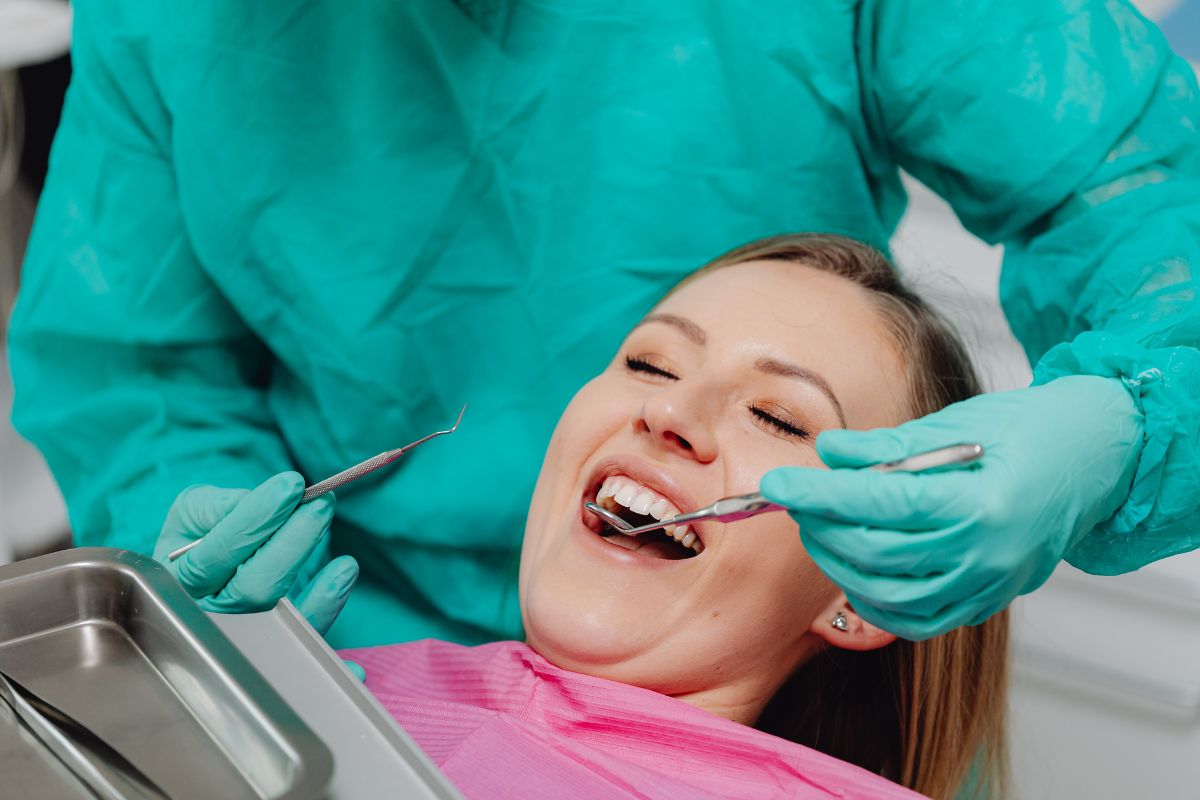
Take a quick look in the mirror. Are you hiding your smile because of a tiny chip you got from a misplaced bite? Maybe a faint crack from an old injury? Or perhaps you’ve always felt self-conscious about that small gap between your front teeth?
If you answered yes, you’re not alone. Many Americans face minor dental imperfections that keep them from smiling their best. The good news? You don’t always need months of orthodontics or multiple, expensive procedures to get the smile you want. Enter Dental Bonding—a minimally invasive, highly effective, and often instant solution.
Ready to discover how this simple procedure can give you a confidence boost without the long wait? Let’s dive into the data!
The Science of the “Instant” Fix
Dental bonding, also known as composite bonding, uses a tooth-colored composite resin—a mixture of plastic and finely ground glass particles. Your dentist applies this putty-like material to your tooth, molds it to the desired shape, and then hardens it with a special high-intensity curing light.
The entire process is quick, often requiring only 30 to 60 minutes per tooth, and in most cases, it can be completed in just a single office visit (Cleveland Clinic). This speed and convenience are what make it feel like an instant smile transformation!
What Bonding Can Fix: The Versatility of Resin
Dental bonding is a powerhouse for tackling minor to moderate cosmetic issues:
- Repairing Chipped Teeth: For small fractures, bonding restores the natural contour of the tooth, protecting it from further damage.
- Filling Cracks: It seals minor surface cracks, improving both the appearance and the structural integrity of the enamel.
- Closing Gaps (Diastema): The resin is sculpted to gently widen the teeth, seamlessly closing small spaces without the need for braces.
- Changing Tooth Shape: This procedure can lengthen a short tooth or reshape a misshapen one to achieve a more uniform smile.
- Concealing Discoloration: Stubborn stains that don’t respond to whitening can be effectively masked by the color-matched resin.
Quick Facts: Longevity and Success Rates
Dental bonding in Gilbert offers a compelling balance of affordability and effectiveness compared to more complex restorations, such as porcelain veneers.
Success and Durability
While bonding isn’t permanent, it is remarkably durable, especially with proper care.
- Lifespan: Well-maintained composite bonding generally lasts between 5 and 10 years before a touch-up or replacement is needed (Legacy Dental, WebMD).
- Survival Rate: Clinical studies on composite bonding restorations report a five-year survival rate of approximately 89%, demonstrating strong long-term performance for a minimally invasive material (Adalya Dental Clinic).
Aftercare tips to make bonding last longer
- Avoid biting hard objects (ice, pen caps).
- If you grind your teeth, consider getting a night guard — grinding can shorten your lifespan.
- Practice good oral hygiene (brushing, flossing) and avoid heavy-staining foods/beverages for the first 48 hours.
- Regular dental checkups let your dentist polish or repair small wear before it becomes a bigger problem. (These simple habits help move you toward the upper end of the 3–10 year range.)
The Bottom Line
Dental bonding is a phenomenal, single-appointment solution for anyone looking to quickly and affordably repair minor chips, cracks, or gaps in their smile. It is the definition of minimally invasive, as it rarely requires the removal of healthy enamel, and is often performed without anesthesia.
If your dental imperfections are minor to moderate, and you prioritize a fast, cost-effective, and reversible treatment, dental bonding is an excellent choice. Talk to your qualified dentist in Gilbert today to see if this “instant” smile fix is right for you!
FAQs About Dental Bonding
- Is the dental bonding procedure painful?
No. Dental bonding is typically a painless procedure. Anesthesia is usually not required unless the bonding is being used to fill a decayed cavity near a nerve or to alter the tooth’s shape near the gum line.
- Can bonded teeth be whitened?
No. The composite resin material used in dental bonding does not respond to traditional tooth whitening treatments in the same way that natural enamel does. If you plan to whiten your teeth, it’s best to do so before your bonding procedure, allowing the dentist to color-match the resin to your newly brightened smile.
- How do I care for my bonded teeth?
Care is simple: treat them just like your natural teeth. Brush twice a day, floss daily, and see your dentist for regular checkups. To maximize longevity, avoid chewing on hard objects (such as ice, pens, or fingernails) and limit the consumption of highly staining foods and drinks (like coffee, red wine, and tea), as the resin can be more susceptible to staining than natural enamel.
- Is dental bonding reversible?
Yes. Unlike procedures like porcelain veneers, which require significant and irreversible removal of enamel, dental bonding typically involves minimal to no alteration of the enamel. This makes the procedure entirely reversible if needed.
- What is the difference between dental bonding and veneers?
Veneers are thin, custom-made porcelain shells that cover the entire front surface of the tooth, often requiring the removal of a significant amount of natural enamel. They are more durable (lasting 10-20 years) and stain-resistant, but they are more expensive, take multiple visits, and are irreversible. Bonding is quicker, less costly, less durable (lasting 5-10 years), and minimally invasive.