
Are you considering dental crowns for your teeth? Seeking a solution to restore the appearance and functionality of damaged or decayed teeth? Look no further! Dental crowns might just be the answer to your dental woes. In this blog post, we will explore the pros and cons of choosing dental crowns, helping you make an informed decision about whether they are right for you. So, let’s dive in and discover all there is to know about these fascinating tooth restorations!
What is Dental Crown?
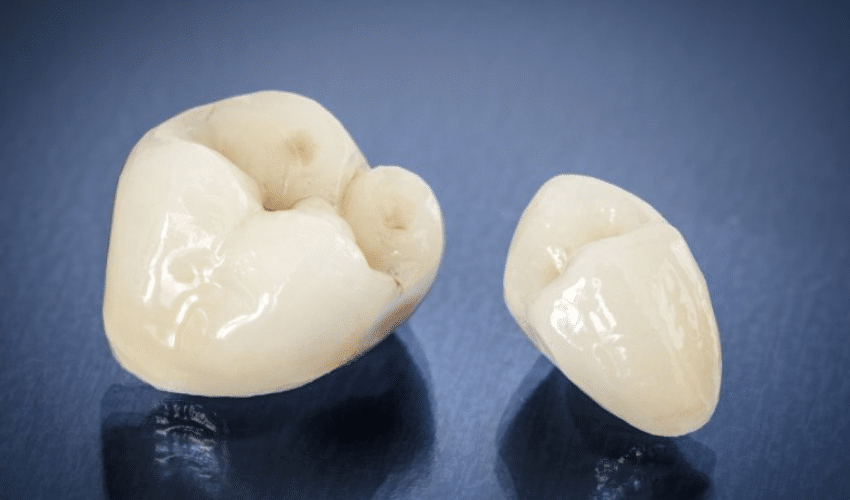
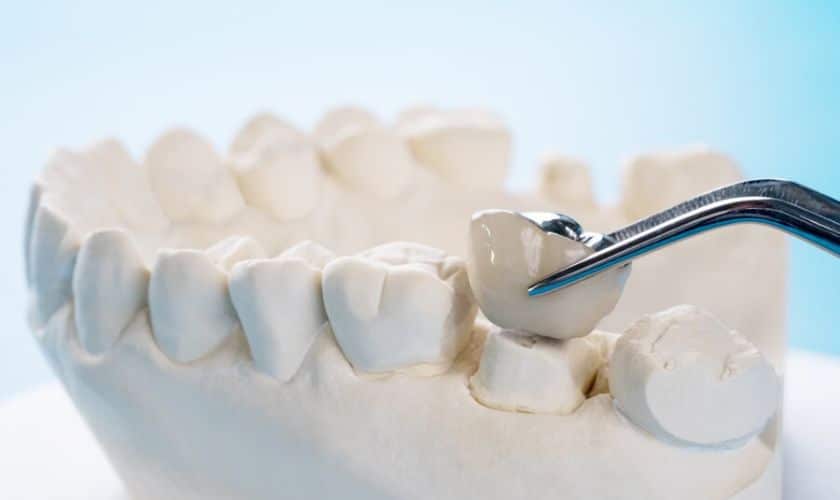
A dental crown, also known as a cap, is a prosthetic device that is used to cover and protect damaged or weakened teeth. It is custom-made to fit over the entire tooth structure, from the gum line upward. Dental crowns can be made from various materials, such as porcelain, ceramic, metal alloys, or a combination of these.
Crowns are commonly used in restorative dentistry to repair teeth that have been severely decayed or fractured. They can also be used for cosmetic purposes to improve the appearance of misshapen or discolored teeth.
The process of getting a dental crown typically involves two visits to the dentist. During the first visit, the dentist will prepare the tooth by removing any decayed or damaged portions and shaping it to accommodate the crown. An impression of the tooth will then be taken and sent to a dental laboratory, where the permanent crown will be fabricated. In some cases, temporary crowns may be placed while waiting for the final restoration.
Once ready, the permanent crown will be cemented onto your prepared tooth during your second visit. The dentist will ensure that it fits properly and matches your natural teeth in terms of shape and color.
Overall, dental crowns provide an effective solution for restoring both function and aesthetics to damaged teeth.
However, it’s important to consult with your dentist, who can assess your specific needs and recommend whether this treatment option is suitable for you!
Pros of Dental Crowns
Dental crowns offer several advantages that make them a popular choice for restoring damaged or decayed teeth. One of their biggest pros is their ability to provide strength and protection to weakened teeth. Crowns act as a protective layer, preventing further damage and reducing the risk of fractures.
Another advantage is their natural appearance. Dental crowns can be customized to match the color, shape, and size of your existing teeth, ensuring a seamless blend with your smile. This makes them an ideal solution for improving both the function and aesthetics of your teeth.
Additionally, dental crowns are durable and long-lasting. Made from materials such as porcelain or ceramic fused to metal, they are designed to withstand everyday biting forces without wearing down or chipping easily.
Furthermore, dental crowns can help correct various dental issues, like misshapen or severely discolored teeth. They can also be used in conjunction with other procedures, such as dental implants or bridges, to enhance overall oral health and restore proper alignment.
Getting dental crowns typically requires a minimal time commitment compared to other restorative treatments. The process usually involves two appointments – one for preparing the tooth and taking impressions, and another for fitting the crown once it has been fabricated by a lab technician.
Cons of Dental Crowns
The pros and cons of dental crowns are important to consider before making a decision about whether they are the right option for you.
One potential downside is that getting a dental crown can be a time-consuming process. It typically requires multiple appointments and can take several weeks from start to finish. This may not be ideal for those who are looking for quick results or have busy schedules.
Another consideration is that dental crowns can be expensive. The cost varies depending on factors such as the material used and the complexity of the procedure, but it’s generally more expensive than other options like fillings or veneers. For some people, this may be a deterrent.
Additionally, there is a risk of complications with dental crowns. While rare, issues such as sensitivity or discomfort after placement, chipping or cracking of the crown, or even allergic reactions to certain materials used in crowns can occur.
It’s also worth noting that getting a dental crown involves removing some portion of your natural tooth structure to make room for the crown itself. This irreversible process means that once you have a crown, you will always need one to protect your weakened tooth structure.
Maintaining good oral hygiene becomes even more crucial with dental crowns. While they provide added strength and protection to damaged teeth, food particles, and bacteria can still accumulate around the edges of the crown if proper care isn’t taken.
Choosing the Right Dental Crown
Choosing the right dental crown is an important decision that can have a significant impact on your oral health and overall satisfaction with the restoration. With so many options available, it’s crucial to understand the different types of crowns and their benefits.
One popular choice is porcelain crowns, which offer excellent aesthetics and mimic the natural color of your teeth. They are a great option for patients who value a seamless appearance. However, they may not be as durable as other materials like metal or zirconia.
Metal crowns, typically made from alloys such as gold or silver, are known for their strength and longevity. While they may not blend in with your natural teeth, they provide exceptional durability and resistance to wear.
Zirconia crowns combine aesthetics and durability. Made from a strong ceramic material, zirconia crowns offer excellent strength while still appearing natural-looking.
Another consideration when choosing a dental crown is cost. Porcelain-fused-to-metal (PFM) crowns tend to be more affordable compared to all-ceramic alternatives but might not match perfectly with surrounding teeth due to potential metal visibility at the gum line.
Cleaning and Maintenance of Dental Crown
Cleaning and maintaining a dental crown is an important part of ensuring its longevity and preserving the overall health of your teeth. Regular oral hygiene practices, such as brushing twice a day and flossing daily, are crucial for keeping your dental crown clean.
When brushing your teeth, pay extra attention to the area around the dental crown. Use a soft-bristled toothbrush to gently clean the surface of the crown, making sure to reach all sides. It’s also recommended to use non-abrasive toothpaste that won’t scratch or damage the crown material.
Flossing is equally important to maintaining good oral health with a dental crown. Glide the floss carefully along each side of the tooth supporting the crown, removing any plaque or food particles trapped in between.
In addition to regular brushing and flossing, rinse your mouth with an antiseptic mouthwash to help control bacteria growth and reduce gum inflammation. This can be particularly beneficial if you have any underlying gum issues or if you have difficulty reaching certain areas around your dental crown while brushing.
It’s essential to visit your dentist regularly for professional cleanings and check-ups. During these visits, they will thoroughly clean both natural teeth and any existing crowns using special tools that effectively remove plaque buildup without causing damage.
Final Thoughts
Dental crowns can be a viable option for restoring and enhancing the appearance of your teeth. They offer several advantages, such as improved aesthetics, durability, and protection for weakened or damaged teeth. However, it’s important to consider some potential drawbacks before making a decision.
One of the main concerns with dental crowns is that they require a significant amount of tooth preparation. This means that a portion of your natural tooth will need to be removed in order to accommodate the crown. Additionally, there is always a risk of complications, such as infection or sensitivity, after the procedure.
Another factor to consider is cost. Dental crowns can be quite expensive, depending on the material used and the additional treatments required. It’s essential to discuss all financial aspects with your dentist beforehand and explore any available insurance coverage options.
Choosing the right type of dental crown is crucial as well. There are various materials available, each with its own set of benefits and limitations. Your dentist will help you determine which option best suits your specific needs.
Proper cleaning and maintenance are vital for ensuring the longevity and effectiveness of your dental crown. Regular brushing and flossing, along with routine visits to your dentist for professional cleanings, are essential components of maintaining good oral health.
When considering whether dental crowns are suitable for you, it’s important to weigh both the pros and cons based on individual circumstances. Consulting with an experienced dentist will provide you with valuable insights into what would work best for your particular situation.