
A cracked tooth can be alarming, whether from a sudden injury or biting down on something hard. The sharp pain and discomfort can leave you worried about what to do next. In such situations, acting quickly can prevent further damage and relieve pain. Here’s how to manage a cracked tooth before visiting your dentist.
How to Handle a Cracked Tooth Before Seeing a Dentist
Identify the Severity of the Crack
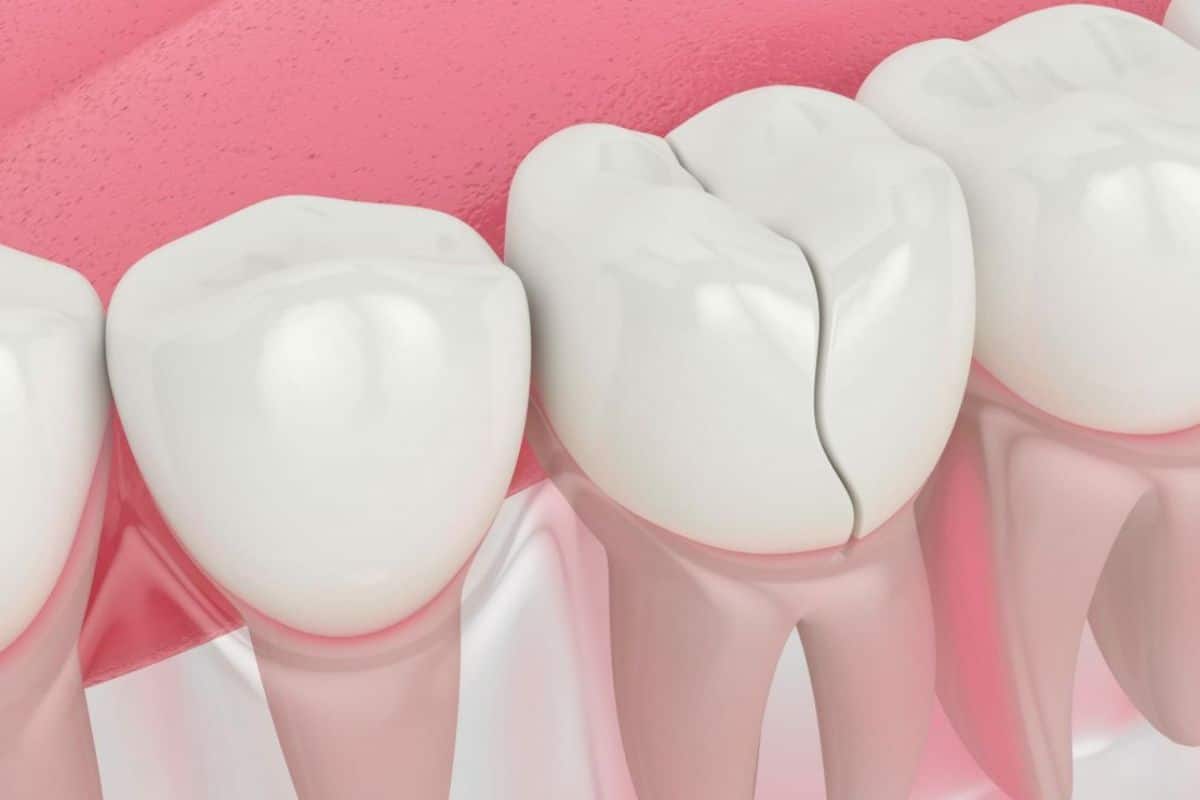
Understanding the severity of the crack is crucial. It can guide your next steps and empower you to take control of the situation. Hairline fractures may not cause immediate pain, while deeper cracks can expose the nerve, leading to intense discomfort. Gently rinse your mouth with warm water and try to identify if a part of the tooth has broken off. If there’s bleeding, apply gauze to stop it.
Once you’ve assessed the situation, avoid chewing on that side of your mouth to prevent further damage. Remember, seeing a dentist in Chandler, AZ, as soon as possible is crucial, especially if you’re in pain or see visible damage.
Protect the Tooth Until Your Appointment
Before your dental visit, protect your cracked tooth from additional harm. Cover any sharp edges with dental wax or sugarless gum to prevent them from irritating your cheek or tongue. Over-the-counter pain relievers can help with discomfort, but avoid placing aspirin directly on the tooth, as it can burn your gums.
Stay away from hot or cold foods, as the crack may expose the nerve, making your tooth more sensitive to temperature changes. This sensitivity can cause intense pain. Stick to soft foods and liquids until you get professional care.
Manage Pain and Swelling
Pain from a cracked tooth can be intense, but there are ways to manage it until you can see a dentist. Applying a cold compress to the outside of your cheek can reduce swelling and provide temporary relief. Also, using an oral anesthetic gel can numb the area around the tooth. Just be sure not to delay your visit to the dentist, as prolonged use of these gels may not address the underlying issue.
Avoid Common Pitfalls
It’s important to be cautious and responsible. Many people make the mistake of ignoring a cracked tooth if the pain subsides. However, even if the discomfort fades, the crack can worsen over time, leading to more extensive treatment. Additionally, resist the urge to explore the crack with your tongue or fingers, as this can further irritate the area and introduce bacteria.
Get Professional Help Right Away
While you can take steps to manage your cracked tooth at home, it’s essential to schedule a dental appointment immediately. This will provide you with the necessary reassurance and confidence. Dentists will assess the damage, treat any infection, and recommend the best solution—a filling, crown, or, in more severe cases, a root canal.
When a cracked tooth emergency happens, staying calm and following these steps can prevent further harm. But remember, only a dentist can offer the necessary long-term treatment to restore your smile. Chandler dentists are equipped to handle dental emergencies and provide expert care for those in the area. Be sure to choose a reputable dentist in Chandler, AZ for your dental needs.
FAQs About Cracked Teeth
Q: Can a cracked tooth heal on its own?
A: While minor cracks may heal with time, more significant fractures often require professional dental intervention to prevent further damage and complications.
Q: What are the signs of a cracked tooth?
A: Common signs of a cracked tooth include:
- Severe tooth pain
- Sensitivity to hot or cold temperatures
- Pain when biting or chewing
- Swelling or tenderness in the jaw
- A noticeable crack in the tooth
Q: Is a cracked tooth a dental emergency?
A: If you experience severe pain, bleeding, or swelling associated with a cracked tooth, it’s considered a dental emergency and requires immediate attention.
Q: Can a cracked tooth cause an infection?
A: A cracked tooth can lead to an infection if bacteria enter the pulp chamber. Symptoms of an infection may include:
- Persistent toothache
- Swelling in the face or jaw
- Bad breath
- A foul taste in the mouth
Q: How is a cracked tooth treated?
A: The treatment for a cracked tooth depends on the severity of the fracture. Options may include:
- Dental filling
- Dental crown
- Root canal therapy
- Tooth extraction
Q: Can a cracked tooth be prevented?
A: While it’s not always possible to prevent cracked teeth, you can reduce your risk by:
- Avoiding hard or brittle foods
- Using a mouthguard while playing sports
- Practicing good oral hygiene
- Seeing your dentist for regular check-ups