Losing most or all teeth in an arch can affect chewing, speech, and daily oral function. All-on-4 dental implants in Chandler provide a treatment option that uses four strategically positioned implants to support a full arch of replacement teeth. Understanding the all-on-4 procedure steps helps patients prepare for consultation, implant surgery, temporary teeth, and healing. The exact treatment plan depends on bone volume, gum health, medical history, and whether damaged teeth require extraction.
What happens during the initial All-on-4 consultation?
The initial consultation evaluates oral health, jawbone structure, and medical suitability to determine whether All-on-4 treatment is appropriate. The dentist reviews the patient’s dental history, examines the mouth, and discusses treatment goals.
The evaluation typically includes:
-
Dental examination: The dentist checks remaining teeth, gum tissue, bite alignment, and signs of infection.
-
Imaging: Panoramic X-rays or cone-beam computed tomography (CBCT) may help assess bone volume and identify important anatomical structures.
-
Medical review: Conditions such as uncontrolled diabetes, smoking, and certain medications may affect surgical planning or healing.
-
Treatment planning: The dentist explains implant placement, tooth replacement options, expected recovery, and potential risks.
Patients should ask whether extractions, bone grafting, or additional periodontal treatment may be necessary. These factors can change the treatment sequence.
How does the dentist prepare the mouth for implant surgery?
Preparation may involve removing non-restorable teeth, treating active oral infections, and confirming the surgical plan before implant placement. The required steps depend on the condition of the existing teeth and supporting tissues.
If remaining teeth cannot be preserved, the dentist or oral surgeon may extract them during the same appointment as implant placement. However, extraction and implant surgery may occur on separate dates when infection, anatomy, or other clinical factors require it.
The dental team also confirms the planned implant positions, the design of the replacement arch, and the method for attaching temporary teeth. Patients receive instructions about fasting when sedation requires it, prescribed medications, transportation, and postoperative care.
Not every patient follows an identical preparation schedule. The clinician determines the safest approach after reviewing the examination and imaging results.
What happens on All-on-4 surgery day?
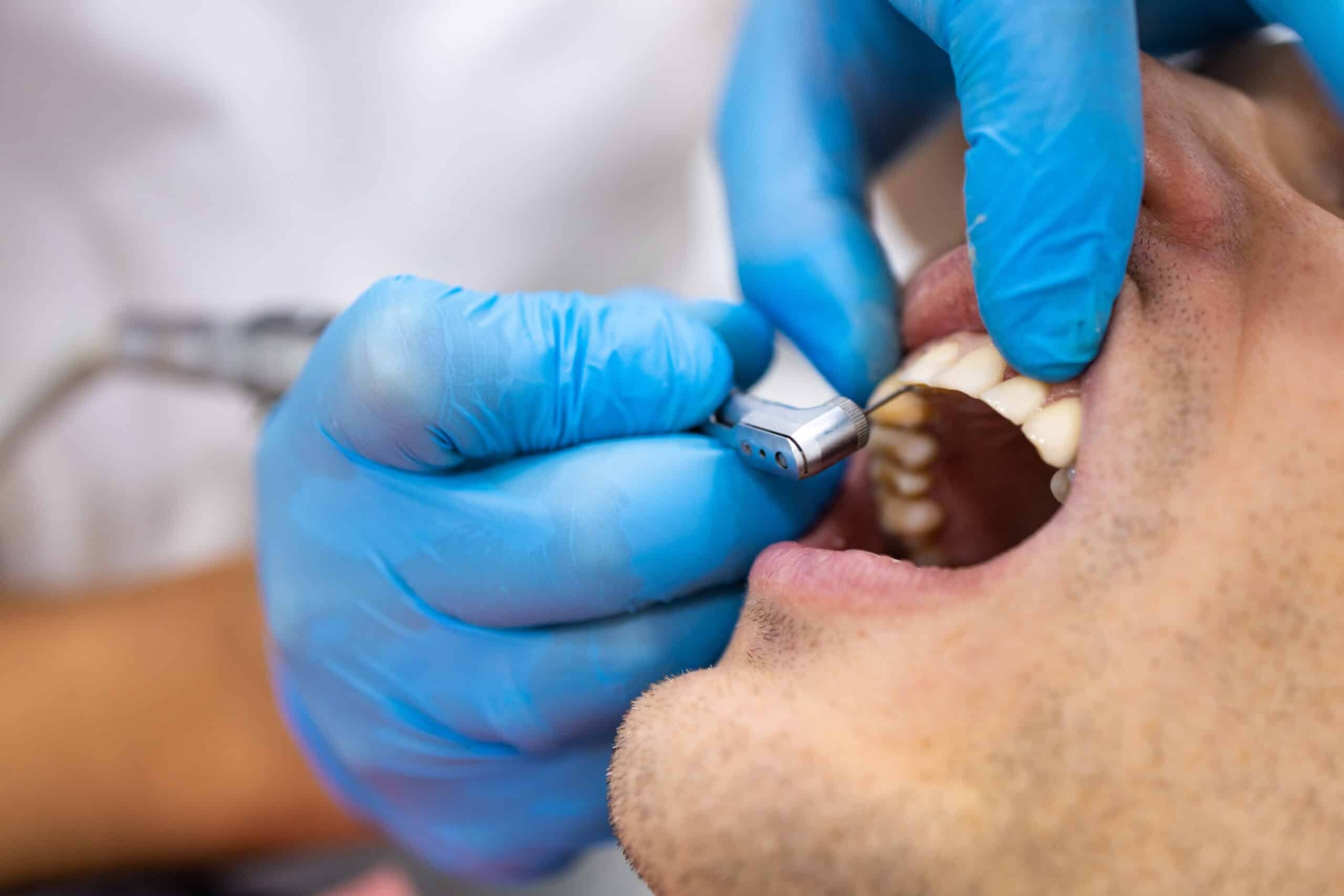
All-on-4 surgery day involves anesthesia or sedation as appropriate, implant placement, and assessment of whether temporary teeth can be attached safely. The procedure is performed by a qualified dental implant provider or surgical team.
The full arch implant surgery process generally follows these steps:
-
Anesthesia and preparation: The team administers local anesthesia, with sedation when appropriate. The surgical area is cleaned and prepared.
-
Tooth extraction, if needed: The dentist removes teeth that cannot be restored when extraction is part of the treatment plan.
-
Surgical access: The clinician accesses the jawbone through the gum tissue to prepare the planned implant sites.
-
Implant site preparation: Small channels are prepared in the bone according to the surgical plan.
-
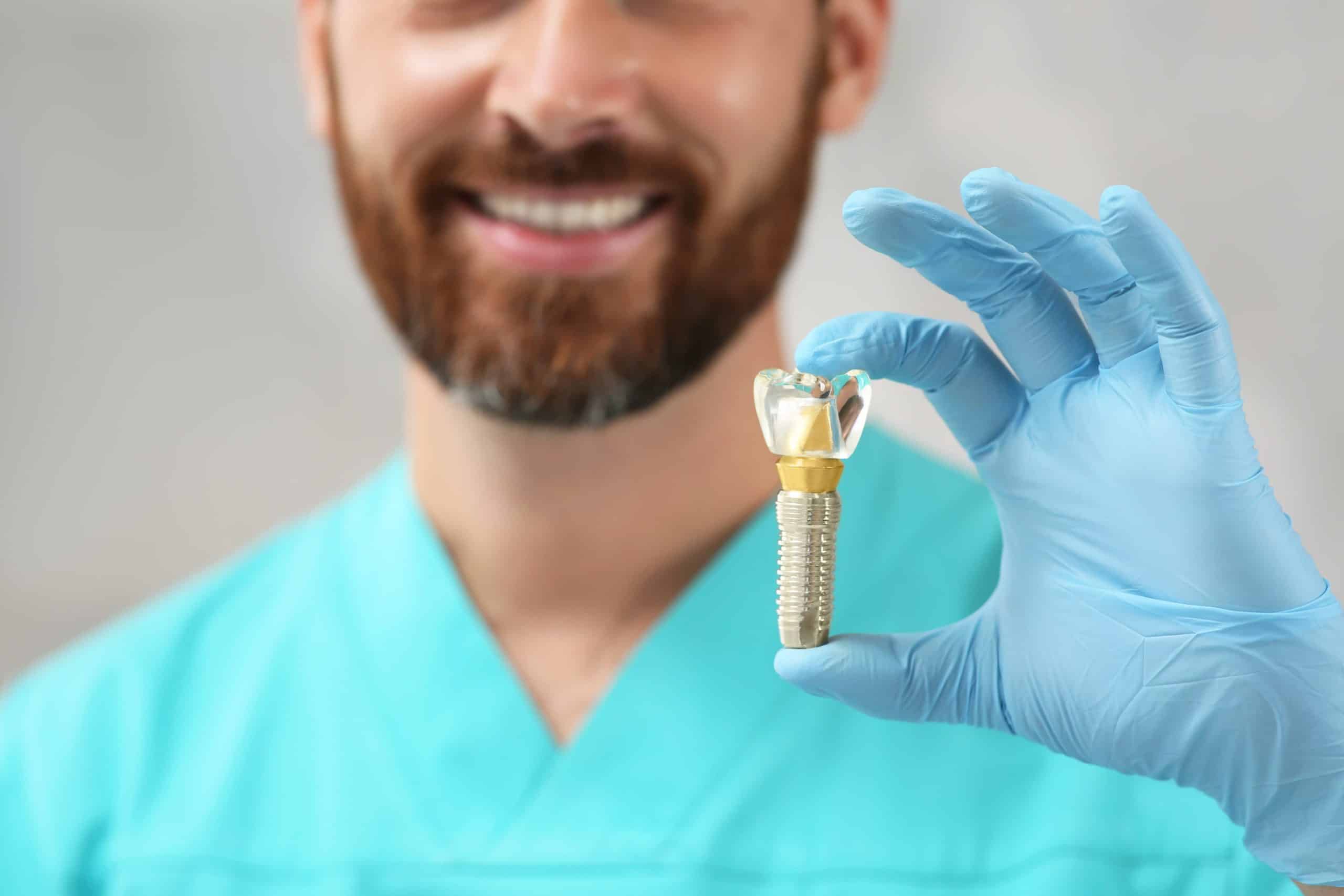
Implant placement: Four titanium implants are positioned in the jaw. The front implants are generally placed more vertically, while the rear implants are angled when anatomy and treatment planning support this approach.
-
Stability assessment: The clinician evaluates the initial stability of the implants to determine whether immediate loading is appropriate.
-
Closure and restoration planning: The surgical sites are managed, and the team determines whether a temporary fixed prosthesis can be attached.
Implant number and positioning are planned around the patient’s anatomy. Four implants are not automatically suitable for every full-mouth restoration.
Can temporary teeth be attached on the same day?
A temporary fixed bridge may be attached on the day of surgery when the implants have sufficient initial stability and the patient’s clinical condition supports immediate loading. This allows some patients to leave with fixed replacement teeth while the implants heal.
The temporary bridge is not the same as the final restoration. It is designed to protect the treatment progress and provide tooth replacement during healing. The dentist checks its fit, bite, and attachment before the patient leaves.
Same-day teeth are not guaranteed. If the implants lack sufficient stability or other clinical factors increase risk, the provider may recommend a different temporary restoration or delay loading.
Patients should follow the prescribed diet even when temporary teeth are fixed in place. Hard, crunchy, or chewy foods can place excessive force on healing implants.
What should patients expect during All-on-4 recovery?
Recovery usually involves temporary swelling, soreness, and dietary restrictions, while the implants gradually bond with the jawbone over several months. The exact timeline varies with surgical complexity, general health, and individual healing.
The following table outlines common recovery milestones.
| Recovery stage | What to expect |
|---|---|
| First 24 to 72 hours | Swelling, bruising, mild bleeding, and discomfort may occur. |
| First 1 to 2 weeks | Gum tissue begins healing. Follow instructions for cleaning and activity. |
| First several weeks | Attend follow-up visits and continue the prescribed soft-food diet. |
| Next 3 to 6 months | Osseointegration, the process in which bone bonds with the implants, continues. |
| After adequate healing | The dentist assesses implant stability and plans the final restoration. |
These timeframes are general estimates, not a guaranteed schedule. The treating dentist determines when each stage can proceed.
Patients should use prescribed or recommended pain medication as directed, keep the surgical area clean according to instructions, and avoid smoking or vaping. Contact the dental provider promptly if pain or swelling worsens, bleeding becomes heavy, or a temporary bridge feels loose.
When are the permanent All-on-4 teeth placed?
The permanent bridge is placed after the implants have integrated sufficiently with the jawbone and the dentist confirms that the restoration can be supported safely. This often takes several months, commonly around three to six months, although some cases require longer.
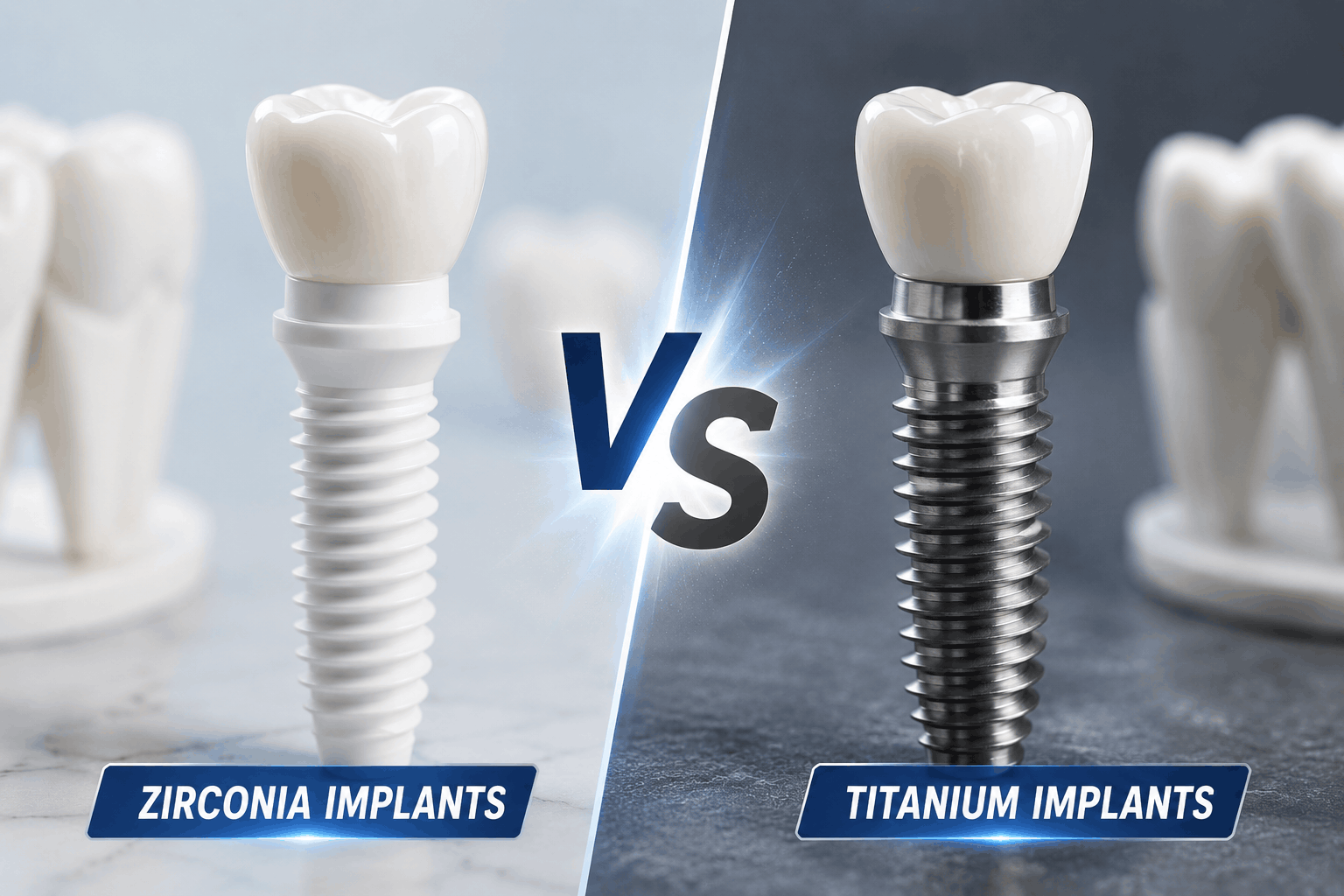
During this stage, the dental team evaluates implant stability, gum healing, bite alignment, and the fit of the planned bridge. The final prosthesis may use materials such as zirconia or acrylic-based components, depending on the restorative design.
The dentist checks the appearance, comfort, and function of the replacement teeth before completing treatment. Patients then receive instructions for cleaning under the bridge and maintaining the surrounding gum tissue.
Regular follow-up appointments remain important after the final teeth are attached. Implant-supported restorations require daily cleaning and professional monitoring to help identify inflammation, wear, or mechanical problems early.
What risks should patients understand before All-on-4 surgery?
Potential risks include infection, bleeding, nerve injury, implant failure, and problems with the fit or function of the replacement bridge. The likelihood of complications depends on the patient’s health, anatomy, oral hygiene, and treatment conditions.
Smoking, poorly controlled diabetes, untreated gum disease, and inadequate bone support may affect healing or implant stability. A thorough evaluation helps the dental team identify these concerns before surgery.
Patients should discuss their medical conditions, medications, smoking history, and expectations with the provider. They should also ask what happens if an implant does not integrate with the bone or if immediate placement of temporary teeth is not possible.
For patients considering full-arch replacement, contact our team at Riggs Family Dental in Chandler, Arizona, can discuss dental implant treatment options and the next steps toward an individualized treatment plan. Visit our clinic to learn more about our patients’ review and to arrange a consultation.
FAQs
How long does the All-on-4 procedure take?
The surgical appointment may take several hours, depending on extractions, implant placement, and the temporary restoration plan.
Can I get teeth on the same day as All-on-4 surgery?
Yes, eligible patients may receive a temporary fixed bridge on surgery day if the implants have adequate initial stability.
Is All-on-4 surgery painful?
Anesthesia helps control pain during surgery, while soreness, swelling, and bruising may occur during recovery.
How long does it take for All-on-4 implants to heal?
Implants commonly need three to six months to integrate with the jawbone, although individual healing times vary.
When can I eat normally after All-on-4 surgery?
Patients generally follow a soft-food diet during early healing and return to firmer foods only as their dentist recommends.