Full-arch dental implants may be an option if you have lost most or all teeth in an upper or lower jaw, or if your remaining teeth cannot be predictably restored. A dental implant evaluation helps determine whether you qualify for All-on-4 treatment based on bone volume, gum health, medical history, and bite function. Learn more about full-arch dental implants in Chandler, AZ at Riggs Family Dental Chandler to understand your treatment options.
Who Qualifies for All-on-4 Dental Implants?
Adults with extensive tooth loss or failing teeth may qualify for All-on-4 if they have adequate jawbone support, healthy or treatable oral tissues, and medical conditions that can be managed safely. Eligibility depends on an individual examination rather than age or tooth loss alone.
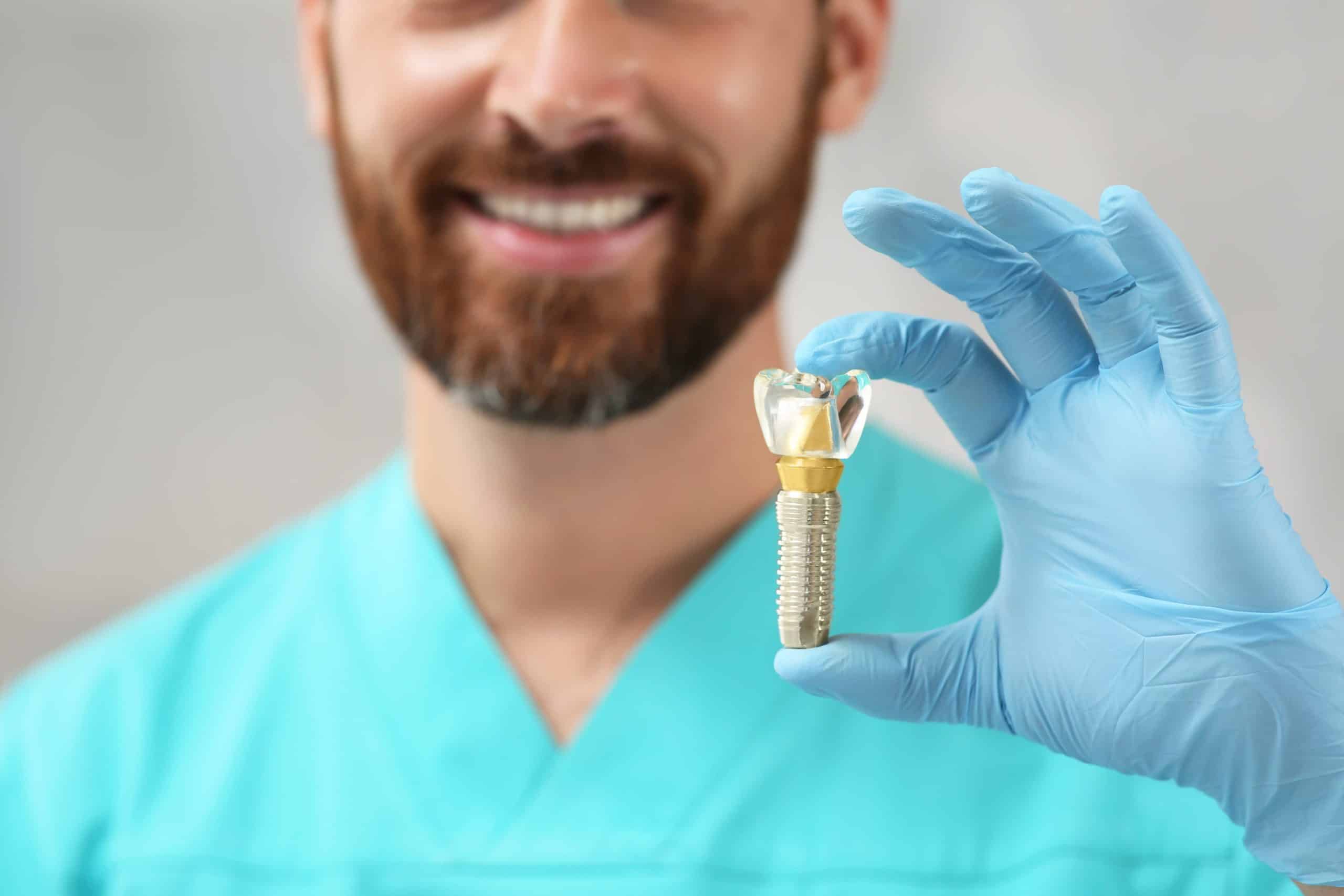
All-on-4 is a full-arch tooth replacement approach that typically uses four strategically positioned dental implants to support a fixed prosthesis. The dentist may recommend this treatment when multiple teeth are missing or when the remaining teeth have a poor long-term prognosis.
You may be considered for treatment if you have:
-
Lost most or all teeth in one jaw.
-
Several severely damaged teeth that cannot be restored predictably.
-
Advanced periodontal disease that has been evaluated and treated as needed.
-
Difficulty chewing because of extensive tooth loss.
-
Existing dentures that have poor retention or stability.
These factors indicate a potential need for full-arch restoration. They do not confirm eligibility. A dentist must assess the condition of your jawbone, oral tissues, and overall health before recommending implant placement.
How Much Jawbone Do You Need for All-on-4?
You need enough suitable jawbone to support stable implant placement, but the required amount depends on your anatomy, bone quality, and the planned implant positions. Dental imaging helps the dentist determine whether All-on-4 is feasible.
The jawbone can shrink after tooth loss because it no longer receives the same stimulation from tooth roots. The amount of bone loss varies according to the time since tooth extraction, periodontal disease, infection, and individual anatomy.
A clinical examination and three-dimensional cone-beam computed tomography (CBCT) scan can help assess:
-
Bone height, width, and density.
-
The position of nerves and the maxillary sinus.
-
Potential implant placement sites.
-
Anatomical limitations that may affect treatment planning.
Am I Disqualified if I Have Too Much Bone Loss for Implants?
Significant bone loss does not automatically rule out dental implants, but it may limit implant placement or require additional treatment. The dentist must determine whether suitable bone remains for a safe, stable restoration.
Some patients may need bone grafting before conventional implant placement. Others may be candidates for an All-on-4 plan that uses available bone strategically, depending on their anatomy. Severe bone loss can still make this approach unsuitable in certain cases.
Do not assume that a lack of visible bone or long-term denture use means implants are impossible. A CBCT-based evaluation provides more useful information than appearance alone.
Can Medical Conditions Affect All-on-4 Eligibility?
Many medical conditions do not automatically prevent implant treatment, but uncontrolled diseases and certain medications can increase surgical or healing risks. Your dentist needs an accurate medical history before deciding whether treatment is appropriate.
The following factors may affect your treatment plan:
| Factor | Why it matters |
|---|---|
| Uncontrolled diabetes | Poor glucose control can impair healing and increase infection risk. |
| Smoking or tobacco use | Tobacco use can interfere with healing and increase implant complications. |
| Active gum disease | Untreated periodontal infection can threaten implant health. |
| Certain osteoporosis medications | Some bone-modifying drugs can increase the risk of medication-related osteonecrosis of the jaw. |
| Previous jaw radiation | Radiation exposure may affect bone healing and requires specialist assessment. |
| Immune suppression | The cause and severity may influence surgical safety and healing. |
The U.S. Food and Drug Administration identifies infection, delayed healing, and uncontrolled diabetes as factors associated with dental implant complications.
Tell your dentist about prescription medications, previous cancer treatment, tobacco use, and chronic health conditions. Do not stop prescribed medication without instructions from the clinician managing it.
Does Age Affect Who Qualifies for Full-Arch Implants?
There is no single upper age limit that determines eligibility for full-arch dental implants. Bone condition, general health, surgical tolerance, and the ability to maintain the restoration are more important than chronological age alone.
Implants are generally considered after jaw growth is complete. For older adults, the dentist evaluates bone support, existing medical conditions, medications, and the patient’s ability to maintain daily oral hygiene.
A healthy older adult may qualify, while a younger adult with uncontrolled medical conditions or inadequate bone support may need treatment before implant placement can be considered.
What Happens During a Full-Arch Implant Evaluation?
A full-arch implant evaluation combines a dental examination, medical history review, and appropriate imaging to determine whether implant placement and restoration are feasible. The findings guide the choice between All-on-4 and other treatment options.
A typical assessment includes these steps:
-
Review your dental history. The dentist examines missing teeth, damaged teeth, previous extractions, and denture concerns.
-
Evaluate your gums and remaining teeth. Active infection and periodontal disease must be addressed as appropriate.
-
Assess jawbone anatomy. A CBCT scan may be used to evaluate bone volume and nearby anatomical structures.
-
Review medical risk factors. Diabetes control, medications, smoking, and previous radiation treatment may affect planning.
-
Plan the final teeth. The dentist considers bite alignment, prosthesis design, cleaning access, and the distribution of chewing forces.
Your dentist may recommend a fixed full-arch prosthesis, a different implant configuration, preliminary treatment, or a removable denture if implants are not appropriate.
What If I Am Not Ready for All-on-4 Treatment?
If you do not currently meet the requirements for All-on-4, your dentist may recommend treating infection, improving medical control, evaluating bone grafting, or considering an alternative tooth replacement. The appropriate option depends on the reason implant placement is unsuitable.
For example, periodontal treatment may be necessary before surgery. Bone grafting may be considered when additional bone is needed and the procedure is clinically appropriate. Some patients may be better served by conventional dentures or another implant-supported design.
There is no universal treatment pathway for patients with bone loss or complex medical histories. A personalized plan should account for both surgical feasibility and long-term maintenance.
How Can I Find Out If I Qualify in Chandler, AZ?
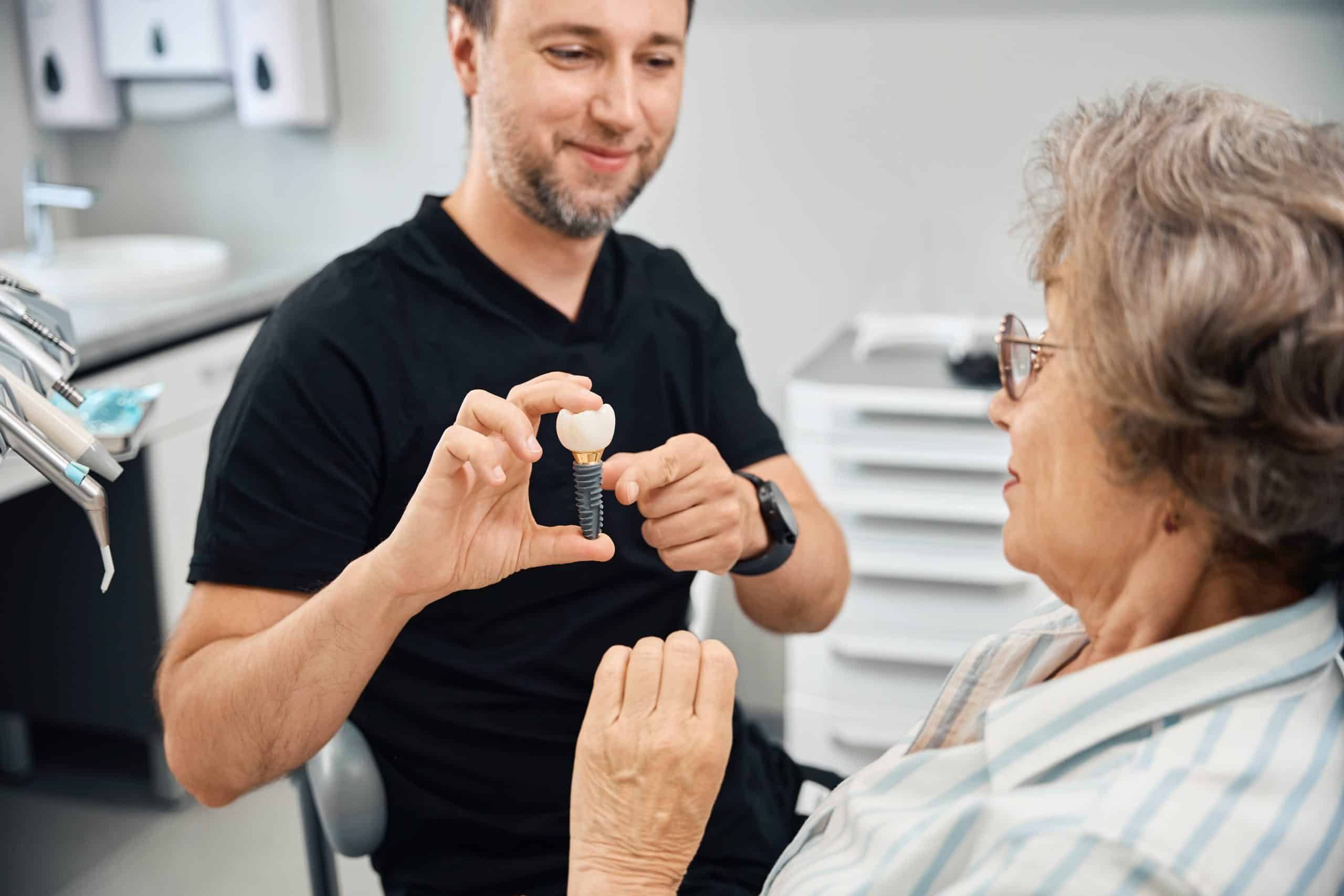
A consultation with Riggs Family Dental chandler can help determine whether full-arch implants are appropriate for your dental condition and treatment goals. Your dentist can review your oral health, discuss imaging needs, and explain the available options.
If you have extensive tooth loss, loose or failing teeth, or difficulty using dentures, ask whether All-on-4 is suitable for your upper or lower jaw. Visit our clinic to discuss whether preliminary treatment is needed before implant placement.
The decision should be based on clinical findings, not tooth loss alone. A thorough evaluation can clarify your options and identify any factors that need attention before surgery.
FAQs: Full-Arch Dental Implant Eligibility
1. Can I get All-on-4 if I have been missing teeth for years?
Yes, you may qualify even after years of tooth loss, provided your jawbone and overall health support implant treatment.
2. Can smokers qualify for full-arch dental implants?
Smokers may qualify, but tobacco use increases healing and implant complication risks and should be discussed before surgery.
3. Do I need a bone graft before All-on-4?
Not everyone needs a bone graft because the need depends on available bone, implant positioning, and the planned restoration.
4. Can I get full-arch implants if I have gum disease?
You may qualify after active gum disease is appropriately treated and your periodontal health is assessed.
5. How long does it take to know if I qualify for All-on-4?
Eligibility is usually assessed during a dental consultation, with additional imaging or medical clearance required when clinically indicated.