
FAQ
1. What happens if I don’t replace a missing tooth?
A missing tooth can cause neighboring teeth to shift, the opposing tooth to over-erupt, jawbone loss, changes in your bite, and an increased risk of gum disease and tooth decay. Treatment also becomes more complex the longer you wait.
2. How soon does jawbone loss start after losing a tooth?
Jawbone loss begins soon after a tooth is lost because the bone no longer receives stimulation from the tooth root during chewing. Without treatment, the bone continues to shrink over time.
3. Can a missing tooth affect my other teeth?
Yes. Adjacent teeth can drift into the empty space, and the opposing tooth may move out of position. These changes can lead to bite problems, uneven wear, and make future tooth replacement more difficult.
4. What are the options for replacing a missing tooth?
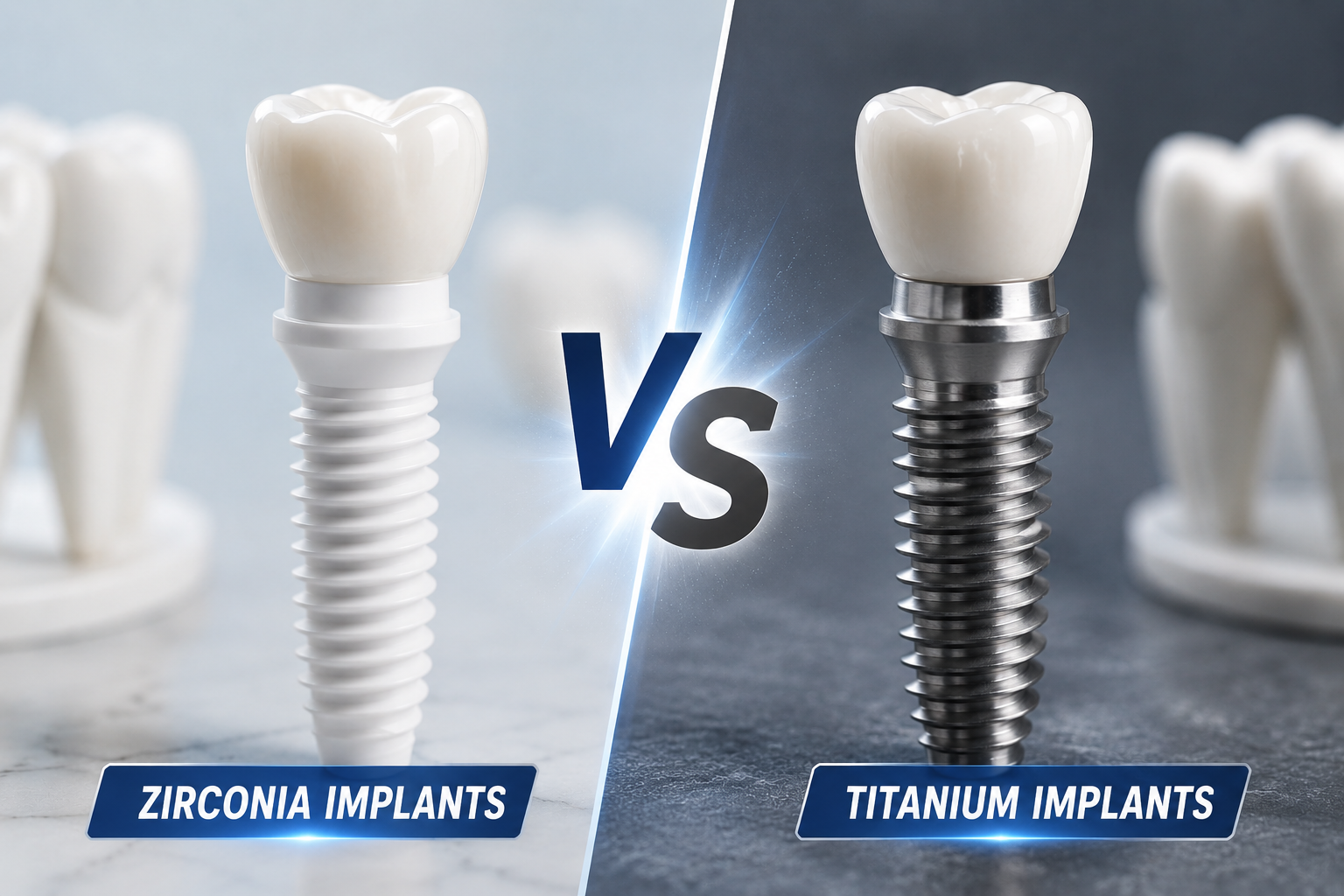
Common replacement options include dental bridges, dental implants, implant-supported dentures (including All-on-4), and removable dentures. The best choice depends on your oral health, bone density, and the number of missing teeth.
5. Why is it better to replace a missing tooth sooner rather than later?
Early replacement helps preserve jawbone, prevents surrounding teeth from shifting, maintains proper chewing function, and often allows for simpler treatment with more replacement options.