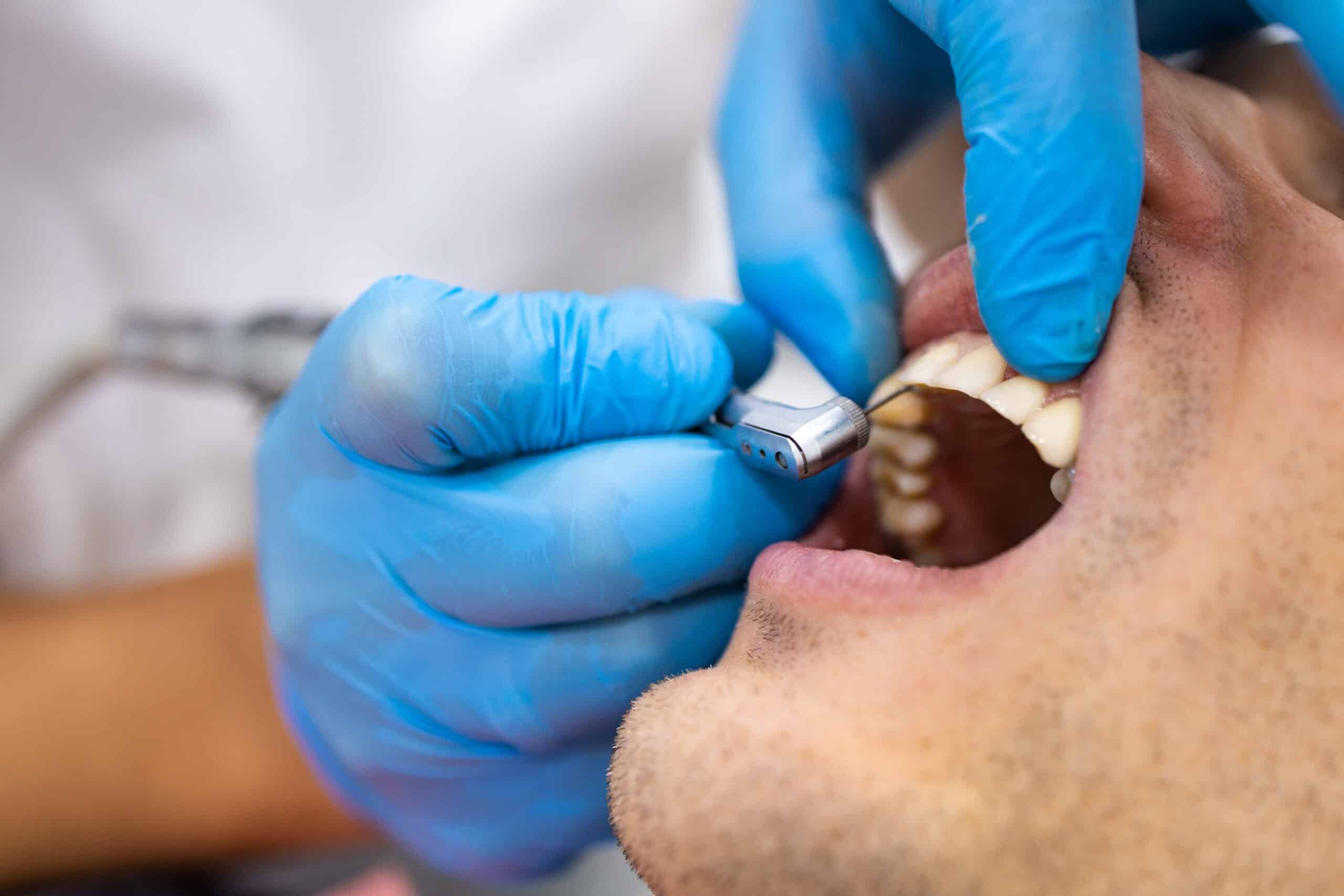


Dental implants are an excellent way of tooth replacement, with durability and natural looks. However, with a high success rate, there can be occasional complications. Keeping on top of signs of a problem means you’ll keep complications to a minimum. If you suspect something’s wrong, getting treatment promptly from a skilled dental practitioner is essential.
Common Dental Implant Complications
Most dental implants function just fine, but there will be some people who do experience problems. Knowing potential complications means you’ll know when to step in.
1. Recurring Pain or Discomfort
A bit of discomfort is to be expected after implant surgery, but persistent or worsening pain is a sign of a problem. Reasons include infection, nerve damage, or failure of the implant. If pain persists for more than a few days or worsens over time, see your dentist as a priority.
Dental Implant Pain Relief: Tips and Hints
Experiencing pain after a dental implant treatment? Try these tried and tested ways of getting relief:
- Take Over-the-Counter Painkillers: Painkillers like ibuprofen or acetaminophen can ease discomfort.
- Use a Cold Compress: Applying an ice pack to the area in 15-minute intervals can ease swelling and numb pain.
- Eat Soft Food: Avoid crunchy or hard foodstuffs irritating the implant area.
- Rinse with Warm Saltwater: This may clean the area and ease irritation.
- Rest Well: Giving your body time to heal can speed recovery and ease pain.
Call your dentist for additional treatment and assessment if your pain persists or increases.
2. Gum Infection or Inflammation
Red, inflamed, or bleeding gums in the gum tissue surrounding the implant may indicate peri-implantitis—a gum disease-like infection. Left untreated, this will weaken the implant and bone surrounding it.
The prevention of infection is done through oral hygiene and regular professional cleaning. In the event of symptoms, prompt dental treatment needs to be sought.
3. Loose or Shifting Implant
A well-positioned implant should feel like one of your teeth. If you experience the implant moving or shifting may be due to bone loss, osseointegration (bone integration) failure, or implant rejection. In these cases, your dentist may need to assess and possibly reposition or replace the implant.
4. Bite Misalignment
Sometimes, an implant doesn’t quite mesh with your natural bite, and you feel awkward or have difficulty chewing. A simple adjustment of the implant crown typically corrects this issue. If biting is an issue, a trip to your dentist will return you to comfort and function.
5. Nerve or Tissue Damage
In a few cases, implants are placed too near nerves, and tingling, numbness, or pain is experienced in the surrounding tissues. If you are numb or in pain in your gums, lips, or chin regularly, you must see your dentist to assess the situation and decide on the best action.
How long does the pain last after a dental implant?
Pain after a dental implant surgery typically lasts a few days to a week. Some pain should be expected, but pain that continues or worsens after this period could be a complication. If the pain continues, have your dentist check you out.
Symptoms of Dental Implant Failure
The most common signs of implant failure are severe pain, swelling, gum recession, loose implants, or difficulty chewing. If any of these are noticed, seek professional help immediately to prevent further complications.
Can an Infected Dental Implant be Saved?
In most instances, an infected implant can be treated if caught early. Professional cleaning, antibiotics, and a change in oral hygiene can save the day. Severe infection, however, may require removal of the implant and a revised treatment plan.
Is it normal for a dental implant to loosen?
No, a dental implant should feel as stable as a natural tooth. If it does move, it could be a sign of osseointegration or support from the bone. Call your dentist to find out the situation.
When do I need to see a dentist for my dental implant?
If there is ongoing pain, swelling, bleeding gums, loose implants, or numbness, visit your dentist immediately. Early intervention can prevent more complicated problems.
When to Get Professional Assistance
If you notice any of the described complications, don’t wait for the symptoms to worsen. Early intervention can prevent serious complications and improve the chance of implant salvage. Riggs Family Dental offers professional treatment for Dental Implants in Chandler & Gilbert, AZ, with a team of experienced dentists who are dedicated to putting your oral condition in the best possible state.
How to Minimize the Possibility of Implant Complications
Taking good care of your dental implants can go a long way in preventing complications. Here are some tips you cannot do without:
- Practice good oral hygiene by brushing twice daily and flossing near the implant.
- Regular check-ups and professional cleaning by your dentist are crucial in preventing complications and maintaining the health of your dental implants.
- Avoid smoking, as it can delay healing and compromise your implant’s survival.
- Adhere to all post-operative instructions given by your dentist.
- Notify your dentist if you feel pain or experience unusual symptoms.
Trust an Experienced Dental Team for Implant Care
Worry not if you have questions about your dental implants. Our experienced dental team at Riggs Family Dental is here to assist you with quality implant care in Chandler and Gilbert. We understand that each patient is unique, and we offer personalized care to keep your implants healthy and functioning, making you feel valued and important.
Need a trusted Chandler Dentist? Book an appointment today and experience the highest quality care that’s all about you, making you feel secure and confident in your choice.