

Are you missing a tooth or two? Do you find it difficult to chew properly or feel self-conscious about your smile? Dental implants might just be the solution for you! Not only do they restore your smile, but they also have many benefits for your overall oral health. In this blog post, we will explore what dental implants are, their benefits and risks, and how they can benefit your overall oral health. So sit back and discover why dental implants are becoming an increasingly popular choice for people looking to improve their dental health.
What is a Dental Implant?
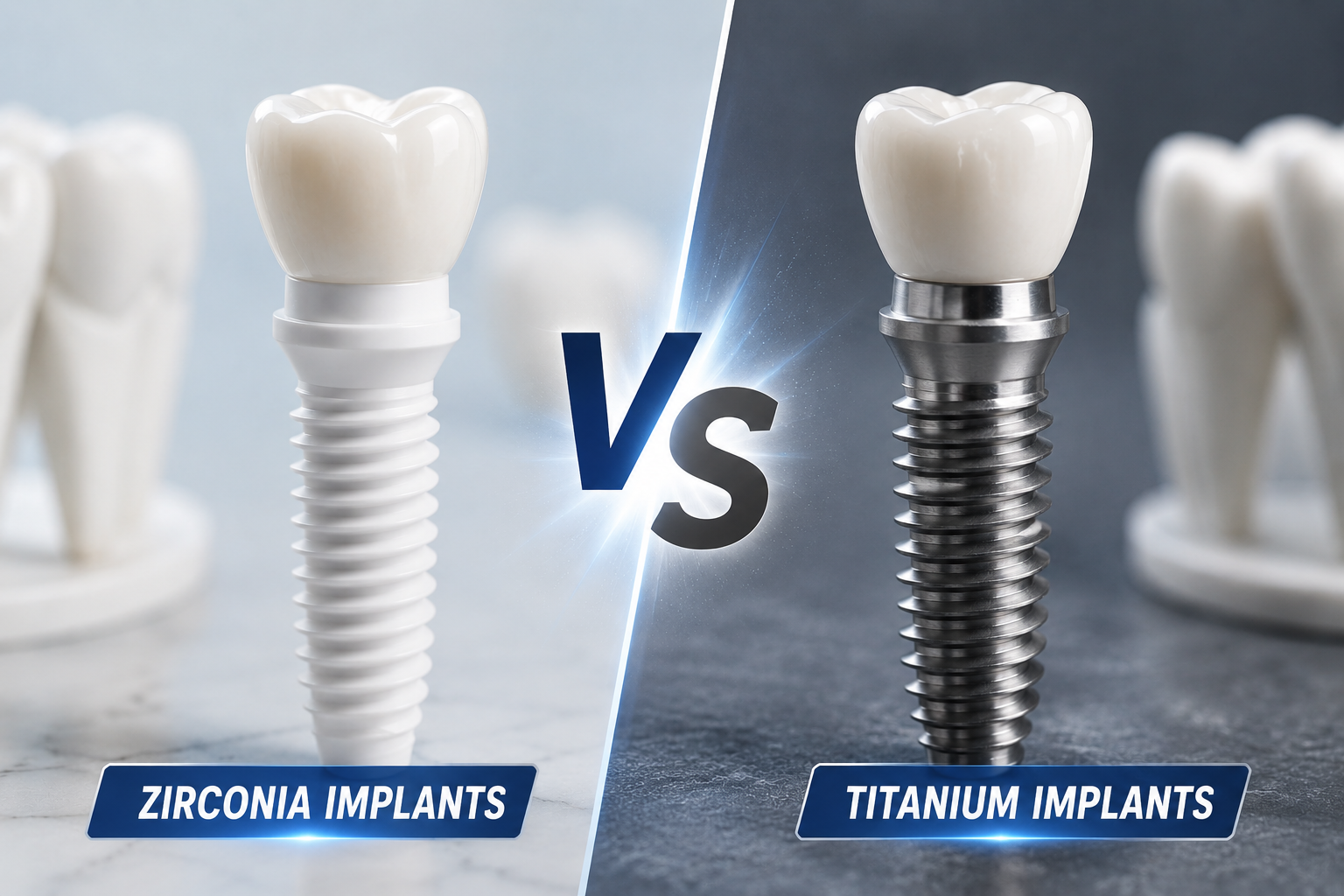
A dental implant is a medical device that replaces the root of a missing tooth. It is made up of three parts: the implant, abutment, and crown. The implant itself is typically made from titanium and is surgically placed into the jawbone to serve as an anchor for the replacement tooth.
The abutment attaches to the top of the implant and serves as a connector between the implant and the crown. The crown, custom-made to match your existing teeth in shape, size, and color, sits on top of the abutment and completes your new tooth.
Dental implants are considered one of the most successful options for replacing missing teeth because they offer a permanent solution that looks natural while also functioning like a real tooth.
While it may seem intimidating or scary at first glance, getting dental implants can be a simple process with minimal discomfort thanks to modern technology and techniques used by skilled professionals in dentistry.
What Are the Benefits of Dental Implants?
Dental implants are a popular solution for people who have lost one or more teeth due to injury, decay, or other reasons. Unlike dentures and bridges that sit on top of the gums, dental implants are surgically placed into the jawbone, where they fuse with the bone over time.
One of the biggest benefits of dental implants is that they look and feel like natural teeth. They blend seamlessly with your existing teeth and provide a permanent solution to missing teeth without compromising the health of neighboring teeth.
Another benefit is that dental implants help preserve bone density in your jaw. When you lose a tooth, the surrounding bone starts to deteriorate because it no longer has anything supporting it. By replacing missing teeth with dental implants, you can prevent this process from occurring.
Dental implants also make eating and speaking normally easier without worrying about discomfort or slippage, as traditional dentures may cause. You can enjoy all your favorite foods once again!
Dental implant placement is typically a one-time procedure, so there’s no need for frequent visits to replace them, unlike dentures, which may require adhesive replacements over time.
Getting dental implants offers many benefits beyond just filling in gaps between your teeth!
What Are the Risks of Dental Implants?
While dental implants are a popular and effective solution to missing teeth, they do come with some risks. One risk is infection at the implant site, which can occur during or after the procedure. This can lead to bone loss and implant failure if not properly treated.
Another risk is nerve damage, which can cause numbness or tingling in the mouth, lips, or tongue. In rare cases, it may even affect speech and eating. Additionally, there’s a chance that the implant won’t fuse properly with your jawbone—known as osseointegration—which could result in discomfort and difficulty chewing.
It’s important to note that these risks are relatively rare, and most patients who undergo dental implant surgery have successful outcomes. However, it’s essential to discuss any concerns you may have with your dentist before undergoing treatment.
To minimize these risk factors, good oral hygiene before surgery, including brushing twice daily, flossing regularly, and avoiding smoking tobacco products, will go a long way toward ensuring the success of your dental implant procedure.
How Dental Implants Benefit Your Oral Health?
Dental implants have become a popular solution for people who are missing teeth. They offer more benefits than just filling the gap in your smile. Dental implants can greatly benefit your overall oral health.
One of the main advantages of dental implants is that they help maintain the structure of your jawbone. When a tooth is lost, the bone underneath it begins to deteriorate over time. This can cause problems with adjacent teeth and even result in changes to your facial appearance. Dental implants serve as artificial roots that stimulate healthy bone growth and prevent bone loss.
Another way dental implants benefit oral health is by preventing the shifting or movement of the remaining natural teeth. Teeth tend to shift towards gaps when there’s space between them, which can affect bite alignment and make chewing difficult. Dental implants prevent this from happening by keeping neighboring teeth in their correct positions.
Dental implant restorations are also incredibly durable and long-lasting compared to other replacement options like dentures or bridges. With proper care, such as regular brushing, flossing, and check-ups with your dentist, they can last for many years without needing replacements.
To sum up, dental implants are an excellent option for those who have lost teeth due to injury, decay, or other reasons. Not only do they help restore your smile and confidence, but they also provide numerous benefits for your overall oral health.
From preventing bone loss to improving speech and eating abilities, dental implants offer a long-lasting solution that can enhance your quality of life. However, it’s important to keep in mind the potential risks involved with the procedure.
If you’re considering getting dental implants, make sure to consult with a trusted dentist who can guide you through the process and answer any questions you may have. With proper care and maintenance, dental implants can last a lifetime and significantly improve your oral health.