Bone loss does not automatically disqualify you from receiving All-on-4 dental implants. In many cases, the technique uses angled posterior implants to maximize existing jawbone and reduce the need for additional grafting. However, patients with severe bone deficiencies may still require augmentation. Understanding full arch dental implants in Chandler starts with evaluating your remaining bone, implant positions, and overall oral health.
Is Bone Grafting Always Necessary for All-on-4 Implants?
No, bone grafting is not routinely necessary for All-on-4 implants because the technique is designed to use available jawbone efficiently.
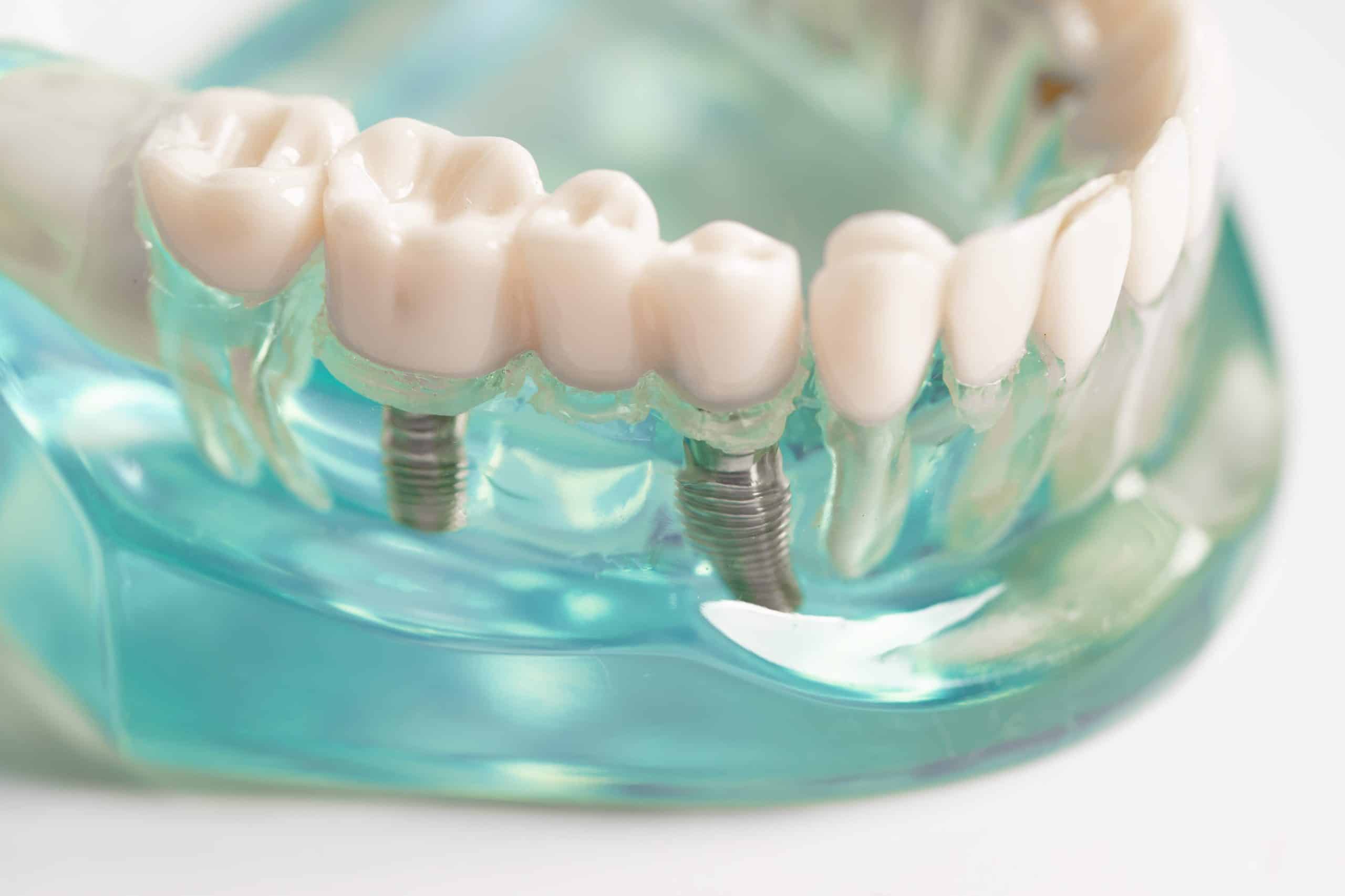
Traditional implant placement may require additional bone when the jaw has deteriorated after tooth loss. All-on-4 takes a different approach. It uses four strategically positioned implants to support a fixed full-arch prosthesis.
Typically, the treatment involves:
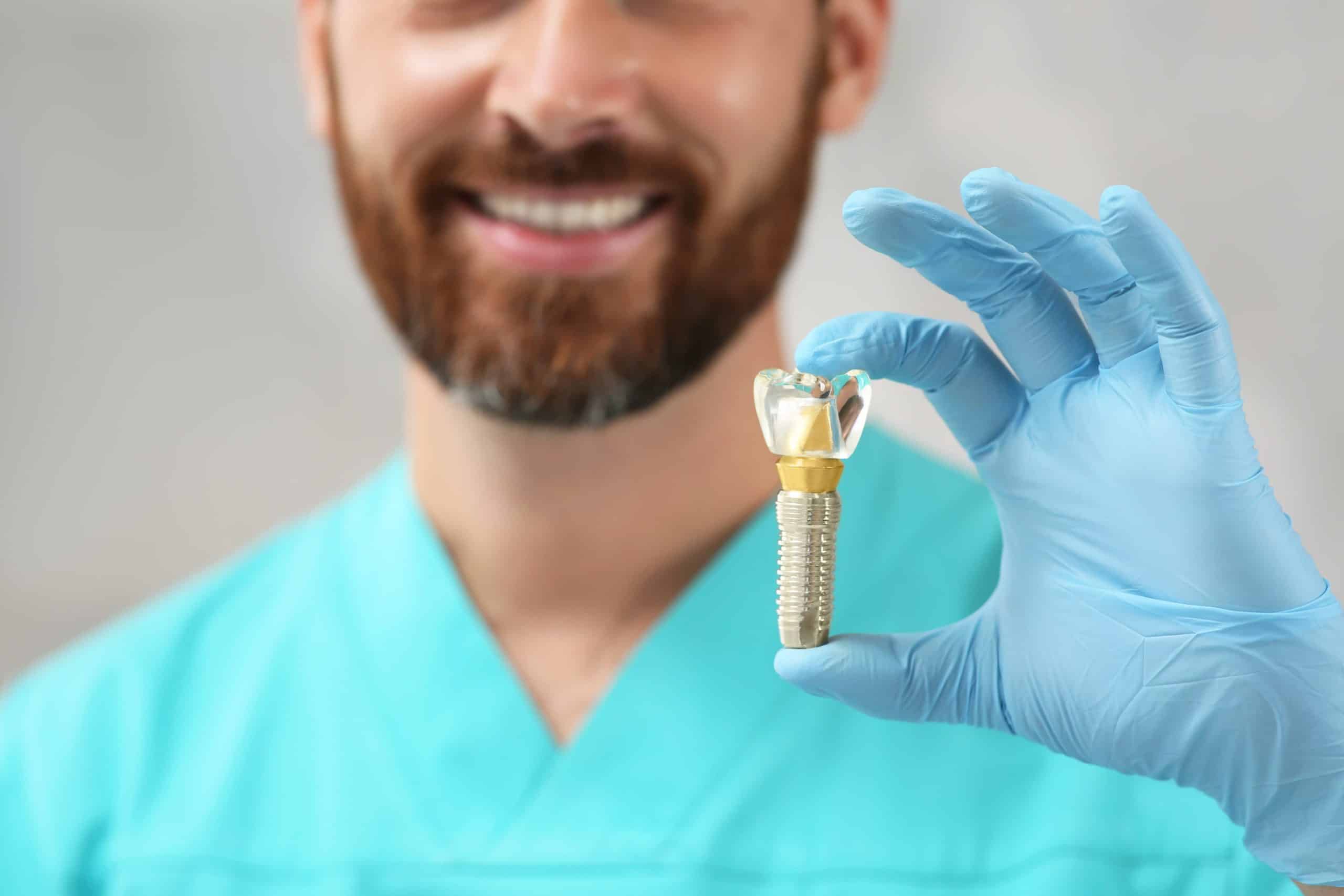
- Two anterior implants placed vertically in the front portion of the jaw.
- Two posterior implants positioned at an angle to use available bone farther back.
Angled placement can help avoid anatomical structures, such as the maxillary sinuses in the upper jaw and the inferior alveolar nerve in the lower jaw. It may also reduce the need for extensive bone augmentation.
A 2026 systematic review published in Dentistry Journal discusses how the All-on-4 approach can reduce the need for extensive grafting in patients with limited posterior bone. However, avoiding grafting depends on individual anatomy and achieving adequate implant stability.
Why Does Jawbone Loss Affect All-on-4 Implant Placement?
Jawbone loss affects implant placement because dental implants need sufficient bone volume and density for initial stability and long-term support.
The jawbone naturally responds to tooth loss. When tooth roots are no longer present, the surrounding bone receives less stimulation and gradually resorbs.
Several factors can contribute to reduced jawbone volume:
- Long-term tooth loss: Missing teeth can lead to progressive deterioration of the alveolar ridge.
- Advanced periodontal disease: Chronic infection can destroy the bone supporting natural teeth.
- Previous dental infections: Untreated infections and associated bone damage can affect implant placement.
- Trauma or extraction: Certain injuries and tooth extractions can leave defects in the jawbone.
- Anatomical limitations: Naturally thin ridges or limited bone height can restrict implant positioning.
The upper jaw presents an additional challenge because the maxillary sinuses can limit available bone height in the posterior region.
The American Academy of Periodontology identifies adequate jawbone and healthy gum tissue as important considerations for dental implant candidacy.
When Might You Need Bone Grafting Before All-on-4?
Bone grafting may be recommended when the remaining jawbone cannot provide the required support, implant positioning, or stability for a predictable full-arch restoration.
Although All-on-4 can accommodate certain degrees of bone loss, it cannot overcome every anatomical limitation.
A dentist or implant surgeon may recommend grafting in situations such as:
- Severe anterior bone loss: Insufficient bone in the front portion of the jaw may prevent stable placement of the planned implants.
- Insufficient ridge width: A narrow jawbone may not provide adequate space for implant placement.
- Extensive bone defects: Previous infections, trauma, or periodontal disease may leave defects that require reconstruction.
- Compromised implant positioning: Available bone may not support implants in positions that provide appropriate prosthetic support.
- Insufficient bone height: Certain upper-jaw cases may require additional bone through sinus augmentation.
The final decision depends on the location, extent, and quality of the remaining bone. Bone grafting is not automatically required simply because a patient has experienced bone loss.
What Types of Bone Grafting Are Used for Full-Arch Implants?
The appropriate grafting technique depends on where bone is missing and how much additional volume is needed.
Common bone augmentation procedures include:
- Ridge augmentation: Adds bone width or height to an area with an insufficient alveolar ridge.
- Sinus lift: Raises the sinus membrane and creates space for additional bone in the upper posterior jaw.
- Socket preservation: Places grafting material into an extraction socket to help limit bone loss after tooth removal.
- Guided bone regeneration: Uses bone graft material and a protective membrane to support bone development in a deficient area.
Grafting materials may include autogenous bone, which comes from the patient’s own body, allografts from human donors, xenografts from animal sources, and synthetic bone substitutes.
Not every technique is appropriate for All-on-4 treatment. The selected procedure must address the specific anatomical deficiency without compromising the planned implant positions.
Can You Get All-on-4 Implants Without Bone Grafting?
Yes, many patients can receive All-on-4 implants without bone grafting when their existing jawbone supports stable implant placement.
The treatment uses angled posterior implants to access available bone while maintaining appropriate implant distribution.
A graftless approach may be possible when:
- The anterior jaw contains sufficient bone for implant stabilization.
- Posterior implant angulation provides adequate support.
- The planned implant positions avoid important anatomical structures.
- The patient’s oral and general health permit implant surgery.
- The final prosthesis can be supported safely by the planned implant arrangement.
However, having some remaining jawbone does not automatically make someone a candidate.
A systematic review published in Dentistry Journal in 2026 also highlights the importance of bone quantity, bone quality, implant distribution, and prosthetic biomechanics when planning All-on-4 rehabilitation.
How Does a Bone Graft Affect the All-on-4 Treatment Timeline?
Bone grafting can extend treatment time because the augmented area may need to heal before implants can be placed or loaded.
The timeline depends on the type and extent of augmentation.
For example:
- Minor grafting may be performed alongside implant placement when adequate primary stability is achievable.
- Larger ridge augmentation procedures may require a separate healing period before implant placement.
- Sinus augmentation may require additional healing before implants can be loaded.
A 2026 global consensus report on rehabilitation of the edentulous maxilla describes healing intervals of approximately 2 to 10 months in reported posterior maxillary augmentation protocols. The appropriate interval varies by procedure and clinical circumstances.
Patients should also understand that immediate temporary teeth are not guaranteed. Immediate loading depends on factors such as primary implant stability, bone conditions, and the planned prosthetic design.
How Do Dentists Determine Whether You Need Bone Grafting?
Dentists determine the need for bone grafting through clinical examination, three-dimensional imaging, and evaluation of the planned implant positions.
A comprehensive assessment generally includes:
- Oral examination: Evaluates gum health, remaining teeth, infection, and existing restorations.
- Medical and dental history: Identifies conditions, medications, and habits that may influence healing.
- 3D CBCT imaging: Shows jawbone height, width, density-related characteristics, and nearby anatomical structures.
- Prosthetic planning: Determines where implants must be positioned to support the final fixed teeth.
- Treatment evaluation: Establishes whether existing bone is sufficient or augmentation is necessary.
The amount of bone available must be considered alongside the final prosthesis. Implant placement should support a functional restoration, not simply fit into an available area.
Where Can You Discuss All-on-4 Bone Grafting Options in Chandler?
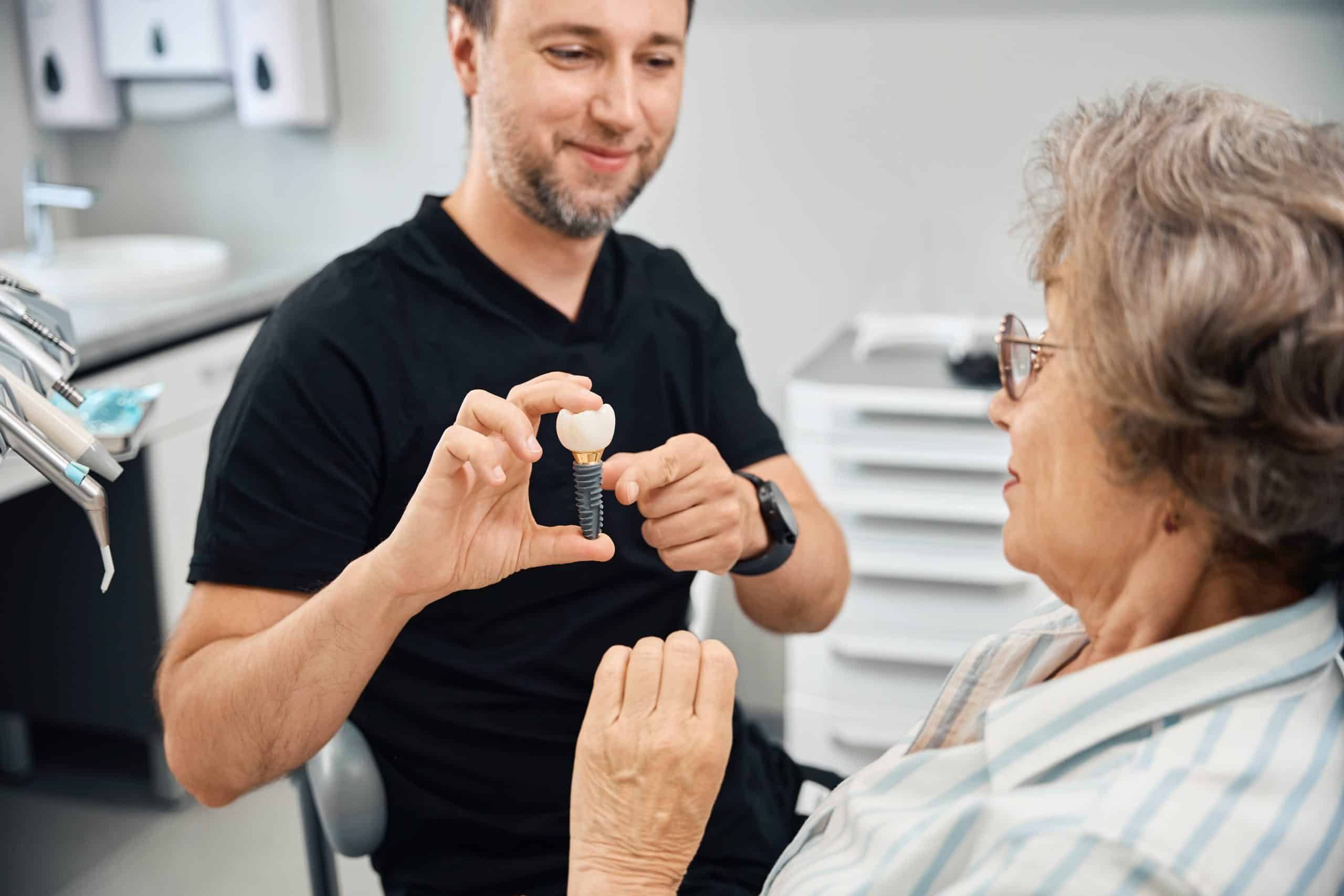
A dental implant consultation can help determine whether your jawbone supports All-on-4 treatment without additional grafting.
At Riggs Family Dental in Chandler, AZ, treatment planning can incorporate 3D CBCT imaging to evaluate jaw anatomy and available bone. The practice provides Teeth in a Day implant treatment and evaluates restorative options according to individual dental needs.
Patients considering full-arch rehabilitation should discuss:
- Whether their existing bone supports the proposed implant positions.
- Whether angled implants can avoid additional grafting.
- Whether ridge augmentation or sinus elevation is necessary.
- Whether temporary teeth can be placed immediately.
- What healing and follow-up care the treatment requires.
If you are considering treatment, contact Riggs Family Dental in Chandler to arrange a consultation and discuss your implant needs.
You can also find Riggs Family Dental on Google Maps to view the Chandler office location.