

Preventive Strategies for Lifelong Oral Health
Visiting the dentist goes far beyond just brushing and flossing. At your cleaning appointment, we use specialized tools to remove hardened buildup like tartar (also known as calculus) that regular home care can’t eliminate.
But cleanings aren’t just about polishing your teeth—we also perform a thorough exam to check for early signs of decay. If we find anything concerning, we’ll explain your treatment options, whether it’s a small filling, a crown, or a more involved procedure if the decay is more advanced.
Of course, our favorite visits are the ones where everything looks great and no treatment is needed. The key to keeping your smile healthy? Knowing how tooth decay begins—because the more you understand, the better you can protect your teeth for the long haul.
What Is Tooth Decay?
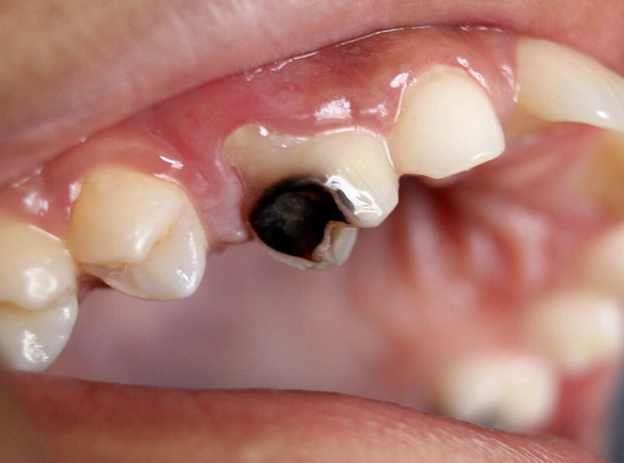
Tooth decay is one of the most widespread health issues in the world—second only to the common cold. When left untreated, it can lead to pain, infections, abscesses, and even tooth loss. In fact, studies show that nearly every adult has experienced tooth decay at some point. At our practice, we’re on a mission to change that—starting right here in our community.
Education is the first step. Many of us grew up hearing that avoiding sugar is the key to preventing cavities. While sugar does contribute to decay, there’s more to the story. Preventing tooth decay requires a well-rounded approach rooted in healthy daily habits.
The formula for a cavity-free smile includes a balanced diet, consistent brushing and flossing, and routine dental visits for cleanings and checkups. There’s no magic involved—just a smart routine and support from a dental team that’s here to help every step of the way.
Causes of Tooth Decay
Just like the rest of your body, your mouth contains a mix of helpful and harmful bacteria. When oral hygiene slips, the harmful (or pathogenic) bacteria can start to take over. These bacteria feed on sugars in your diet and produce acid as a byproduct which is what actually damages your teeth.
That acid wears away at the protective enamel and can eventually reach the softer dentin layer underneath, leading to cavities. On top of that, regularly consuming acidic foods and drinks—like lemons, tomatoes, and soft drinks—can further weaken your enamel and speed up the decay process.
Keeping Your Mouth Healthy
When your mouth is in a healthy, balanced state, your body does a great job of protecting itself. Your saliva, for example, contains minerals that help rebuild tooth enamel and neutralize harmful bacteria. The key to preventing tooth decay is maintaining this ideal environment consistently.
With proper brushing and flossing, adequate fluoride, a balanced diet that limits sugary and acidic foods, and regular dental checkups, keeping your mouth healthy becomes a simple part of your routine.
Guidance On Preventing Tooth Decay
Some patients are more prone to cavities, and that’s okay—we’re here to help. If you’ve experienced a few cavities recently, you might just need a refresher on proper brushing and flossing techniques, which we’re happy to go over during your next visit.
There are also ways to enhance your at-home care routine. Specialized toothpastes, mouth rinses, toothbrushes, or floss can make a big difference, and we’re always happy to recommend products tailored to your needs.
For added prevention, nutritional counseling can help you limit the fuel that decay-causing bacteria thrive on. And for kids who are still building strong hygiene habits, dental sealants can protect the deep grooves in their back teeth—helping to prevent cavities until they’re ready to manage their oral care more independently.