
Are you considering dental implants but not sure where to start? Getting dental implants is a big decision that requires careful consideration and research. One of the most important steps in this process is finding the right dentist who can provide you with all the information you need. To help you make an informed decision, we’ve compiled a list of five important questions to ask your dentist before getting dental implants. By asking these questions, you will be able to make sure that you are fully informed about what to expect during and after the procedure. So let’s get started!
What Are Dental Implants?
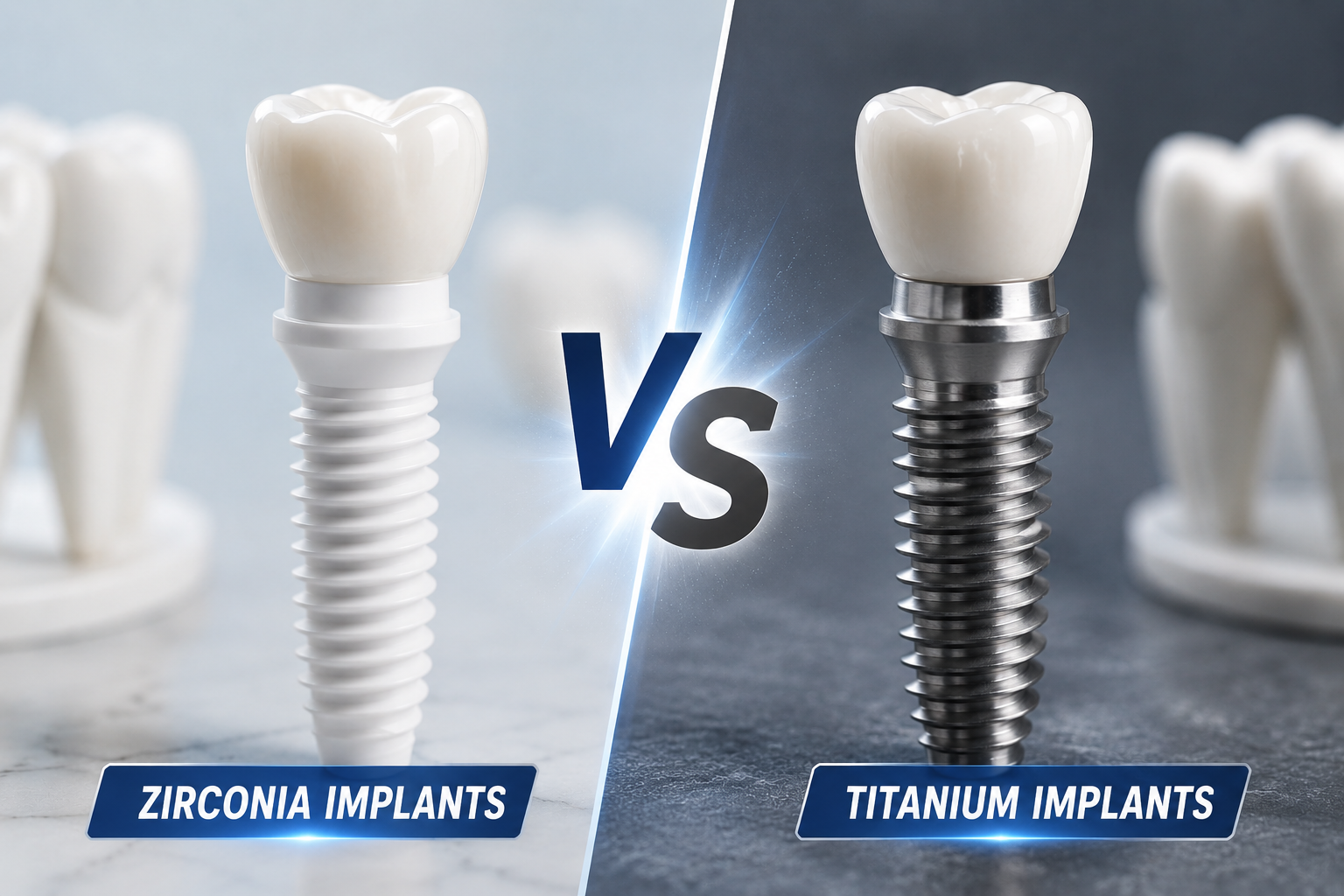
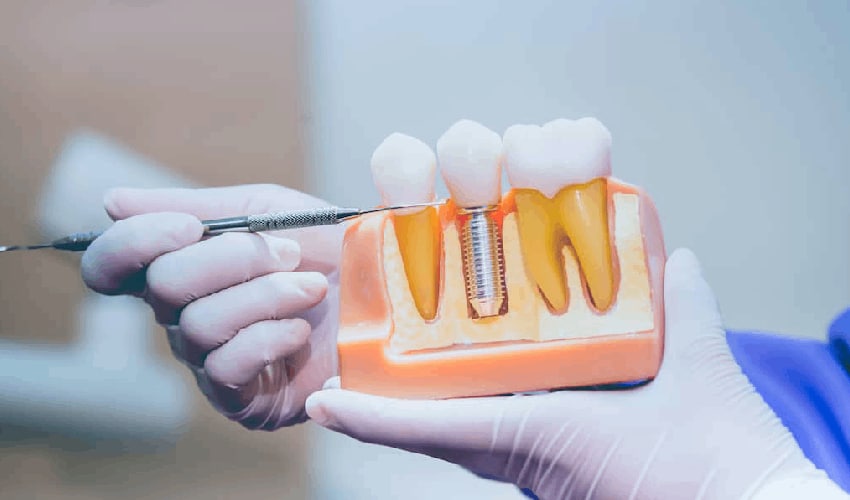
Dental implants are a popular and effective way to replace missing teeth. They are usually made of titanium and are surgically placed in the jawbone. Over time, the bone grows around the implant, anchoring it securely in place.
Dental implants can be used to support one or more artificial teeth, called crowns. They can also be used to support a dental bridge or denture. In some cases, implants can be used to support a full set of artificial teeth.
If you’re considering dental implants, it’s important to ask your dentist some key questions before getting started. Here are some important questions to ask your dentist about dental implants:
How Many Implants Do I Need?
It is important to ask your dentist how many implants you will need. This will depend on the number of teeth you are missing and the condition of your jawbone. If you have a strong jawbone, you may only need one implant for each tooth. However, if you have a weak jawbone, you may need multiple implants for each tooth.
How Long Will the Procedure Take?
The length of time it takes to get dental implants varies from person to person. It depends on how many teeth need to be replaced and the condition of your jawbone. The procedure usually takes two to six hours.
What Risks Should I Be Aware Of?
Patients should be aware of the risks associated with any surgical procedure, including dental implant surgery. Potential risks and complications include, but are not limited to:
- Infection at the surgical site
- Damage to nearby teeth or blood vessels
- Nerve damage, which can cause numbness or tingling in the lips, gums, chin, or tongue
- Sinus problems
- Allergic reactions to materials used during the procedure
- Unfavorable scarring
- Failure of the implant to fuse with the bone
- Loosening of the implant
What Type of Maintenance Is Required After Getting Implants?
After you receive your dental implants, there are some important things to remember in order to keep them clean and healthy. First and foremost, it is important to brush and floss your teeth regularly. This will help to remove any plaque or bacteria that may build up on your teeth or around your implants. It is also important to see your dentist for regular checkups and cleanings. This will help to ensure that your implants are healthy and functioning properly.
Alternatives to Dental Implants
There are a few alternatives to dental implants that your dentist may recommend, depending on your unique situation. For example, if you have enough healthy teeth remaining, a fixed bridge could be an option. This involves creating a false tooth (or pontic) and anchoring it to the natural teeth on either side of the gap. Another possibility is a removable partial denture, which attaches to your existing teeth with metal clasps or brackets. This option may not be as stable or comfortable as a dental implant, but it is usually more affordable.
Dental implants are a great way to improve your smile and overall oral health, but it is important to ask the right questions before committing to this dental procedure. By learning about the implant process and considering all of the risks and benefits involved, you can make an informed decision that best suits your needs. The five questions outlined in this article will help ensure that you have all of the information necessary to make an educated decision when it comes time for your appointment with your dentist.