
Are you considering dental implants but are hesitant due to misconceptions and myths? You’re not alone. Dental implants have become a popular option for those looking to replace missing teeth, but there are still many misunderstandings surrounding this procedure. In this blog post, we will debunk common misconceptions about dental implants that may be preventing you from making the best decision for your oral health. So let’s get started and separate fact from fiction!
What are Dental Implants?
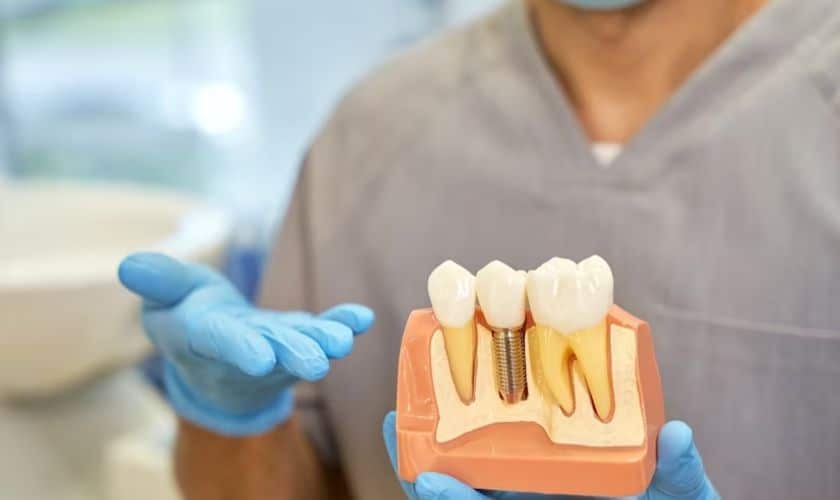
Dental implants are artificial tooth roots that provide a permanent base for fixed or removable replacement teeth. They are made of titanium, which is a biocompatible material that can fuse with the jawbone and create a strong foundation for the new tooth. The implant consists of three parts: the implant screw, abutment, and crown.
The first step in getting dental implants is to undergo a thorough dental exam. Your dentist will assess your oral health to determine if you’re an ideal candidate for this procedure. Factors such as gum disease, bone density, and general health will be considered before proceeding.
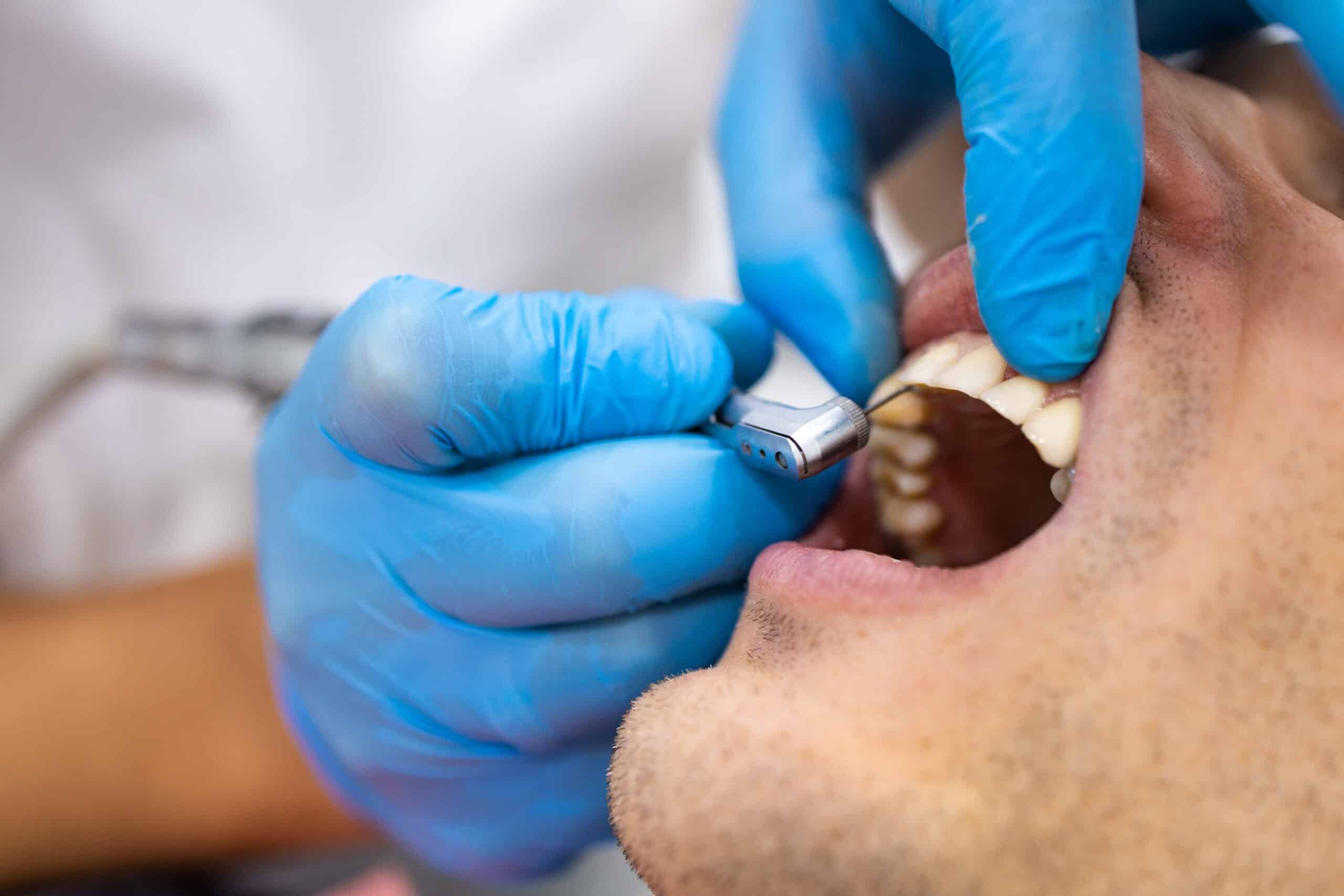
If you’re cleared for dental implants, the next step is to have the implant screw surgically placed into your jawbone. This process may sound intimidating, but it’s done under local anesthesia, and most patients report little to no discomfort during or after surgery.
After placement of the implant screw comes osseointegration, when your natural bone gradually fuses with the titanium post over several months, creating an incredibly sturdy foundation upon which dentists attach custom-made crowns designed to blend in naturally with surrounding teeth.
Dental implants offer many benefits, including an improved appearance while speaking/chewing ease of speaking and chewing, and long-lasting results – provided proper care is taken!
Dental implants are not made of metal
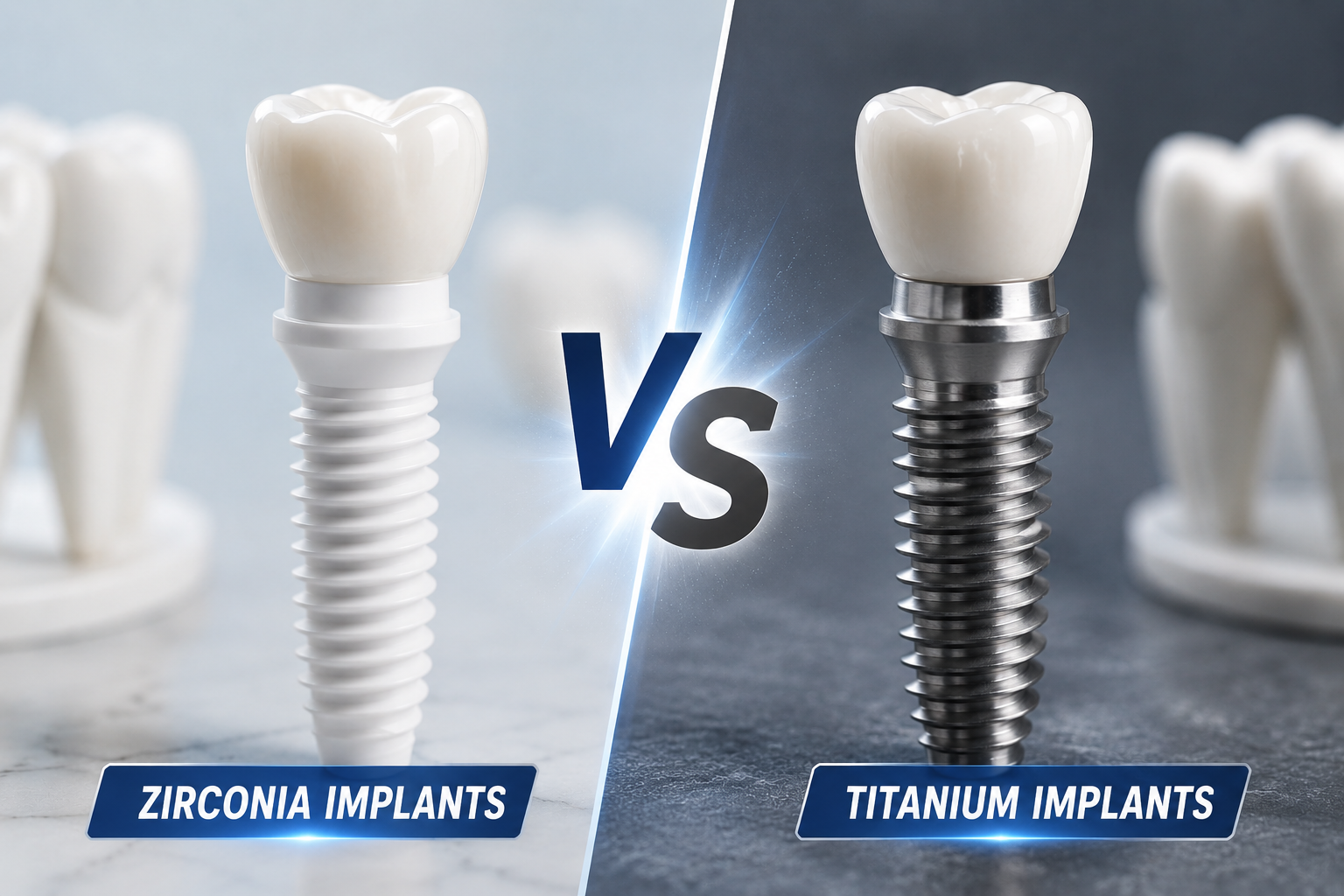
One of the most common myths about dental implants is that they are made entirely of metal. However, this is not true. While it’s true that the implant post, which serves as a replacement for the tooth root, is typically made of titanium or another biocompatible metal, the visible part of the implant, known as the abutment and crown, can be made from a variety of materials.
In fact, many dentists now use porcelain or zirconia to create implant crowns because these materials offer superior aesthetics compared to traditional metals like gold or silver. Porcelain and zirconia can be color-matched to your existing teeth so that your implant looks natural and blends seamlessly into your smile.
Some patients may have concerns about having metal in their mouths due to allergies or other sensitivities. Fortunately, non-metal options are available for those who prefer them. In any case, it’s important to discuss all your options with your dentist before deciding on a treatment plan.
While dental implants do involve some metal components in their construction, they’re far from being solely “metal teeth.” With advances in technology and materials science continuing at a rapid pace, patients today have more choices than ever when it comes to restoring their smiles with dental implants.
Dental implants are not painful
One of the biggest myths surrounding dental implants is that they are a painful procedure. However, this couldn’t be further from the truth. Thanks to advancements in technology and anesthesia, getting dental implants has become a virtually pain-free process.
During the implant procedure, your dentist will use local anesthesia to numb the area around your tooth, so you won’t feel any discomfort or pain during the surgery. Afterward, you may experience some mild soreness or swelling for a few days, but this can easily be managed with over-the-counter pain medication.
It’s important to note that everyone’s pain tolerance is different, and some people may experience more discomfort than others. If you have concerns about experiencing pain during your implant procedure, talk to your dentist about sedation options such as nitrous oxide or oral conscious sedation.
Don’t let fear of pain prevent you from exploring dental implants as an option for restoring your smile. With proper preparation and care before and after the procedure, most patients report minimal discomfort throughout the entire process.
Dental implants do not damage your teeth
One myth surrounding dental implants is that they can damage your teeth. This couldn’t be further from the truth! In fact, dental implants are designed to preserve your natural teeth and improve your overall oral health.
Unlike other tooth replacement options, such as bridges or dentures, dental implants do not rely on adjacent teeth for support. This means there is no risk of damaging those teeth during the implant process or while wearing the restoration.
In addition, because dental implants fuse with the jaw bone through a process called osseointegration, they stimulate continued bone growth and prevent future bone loss. This helps to maintain the integrity of neighboring teeth and keep them in place.
It’s important to note that proper oral hygiene practices still need to be followed with dental implants in order to ensure their longevity and effectiveness. Regular brushing, flossing, and professional cleanings will help prevent any potential issues.
When placed by a skilled dentist with careful consideration given to individual patient needs, dental implants are a safe and effective option for restoring missing teeth without causing harm or damage to existing ones.
Dental implants do not last forever
One of the most common myths surrounding dental implants is that they last forever. While dental implants are a durable and long-lasting tooth replacement option, it’s important to understand that they may not last for your entire lifetime.
The longevity of dental implants depends on several factors, such as oral hygiene, diet, lifestyle habits, and regular checkups with your dentist. Poor oral hygiene habits can lead to implant failure or complications like peri-implantitis which is an infection around the implant site.
Additionally, lifestyle factors like smoking can also affect the lifespan of your dental implants. Smoking increases the risk of gum disease, which can ultimately lead to implant failure.
Moreover, natural wear and tear over time can also impact the durability of your dental implants. Regular visits to your dentist for checkups and maintenance will ensure that any problems are detected early before they become more serious.
While dental implants provide a permanent solution for missing teeth, their lifespan varies depending on various external factors beyond our control. However, with proper care and maintenance from both your and your dentist’s sides, you can extend their longevity significantly, giving them years more life than if left unattended!
Dental implants are not expensive
One of the biggest misconceptions about dental implants is that they are expensive. While it’s true that the initial cost may seem steep, it’s important to consider the long-term benefits and savings.
Dental implants can last a lifetime if properly cared for, unlike other tooth replacement options, which require frequent replacements and repairs. This means you won’t have to keep paying for replacements or repairs over time.
Additionally, dental implants help prevent bone loss in your jaw, which can lead to further oral health issues down the road. By investing in dental implants now, you could potentially save yourself from costly treatments later on.
It’s also worth noting that many insurance plans now cover some or all of the cost of dental implant procedures. Some dentists even offer financing options to make payments more manageable.
While the upfront cost of dental implants may seem daunting at first glance, it’s important to consider the long-term benefits and potential savings before making a decision based solely on price.
The bottom line
To sum it up, dental implants are a safe and effective option for those seeking to replace missing teeth. The myths and misconceptions surrounding them can be dispelled with proper information provided by your dentist or oral surgeon.
Dental implants are not made of metal, they are not painful; they do not damage your teeth, but they also don’t last forever. They may seem expensive at first glance, but considering the longevity of the procedure, they become more cost-effective than other options in the long run.
If you have any concerns about getting dental implants or want to know more about them before making a decision, consult with your dental professional, who will provide you with all the necessary information. Remember that taking care of your dental health is important for your overall well-being so don’t hesitate to seek help when needed!